
Bellingham Finds ‘Sweet Spot’ Ahead of World Cup as Tuchel Praises Form
Jude Bellingham enters the upcoming World Cup in a position of strength, having overcome a challenging period of injury and disciplinary tension under the leadership of Thomas Tuchel.
The 22-year-old’s recent trajectory stands in stark contrast to his experience during Euro 2024, where he was a constant fixture in the lineup, starting all seven matches and missing only 29 minutes of the entire campaign.
Since the transition in management following Gareth Southgate’s departure, Bellingham has faced a volatile stretch of absences and public scrutiny regarding his conduct on the pitch, even as expectations around England’s so‑called “golden generation 2.0” have intensified ahead of a tournament governed by the FIFA World Cup Regulations.
A Period of Instability
Bellingham’s availability for the national team was severely hampered over the last year by a series of physical setbacks, disrupting both England’s qualifying rhythm and Tuchel’s attempts to bed in a new tactical structure.
- September: Missed two qualifying matches due to a shoulder injury, leaving England short of creativity between the lines.
- October: Overlooked for the international camp, including a qualifier against Latvia, as Tuchel trialed alternative midfield options and leadership voices.
- March: Forced to miss friendly matches due to a persistent hamstring issue, delaying his full reintegration into the revised system.
Parallel to these physical struggles, the relationship between the midfielder and Tuchel was frequently tested. The manager previously described Bellingham’s behavior during a June defeat against Senegal as “repulsive,” a comment for which Tuchel later issued an apology and privately clarified with the player.
Tensions resurfaced in November when Tuchel announced he would “review” the player’s behavior following his reaction to being substituted during a qualifier against Albania, a stance that echoed wider concerns inside elite football about touchline conduct, dissent and adherence to competition disciplinary codes.
Return to Prominence
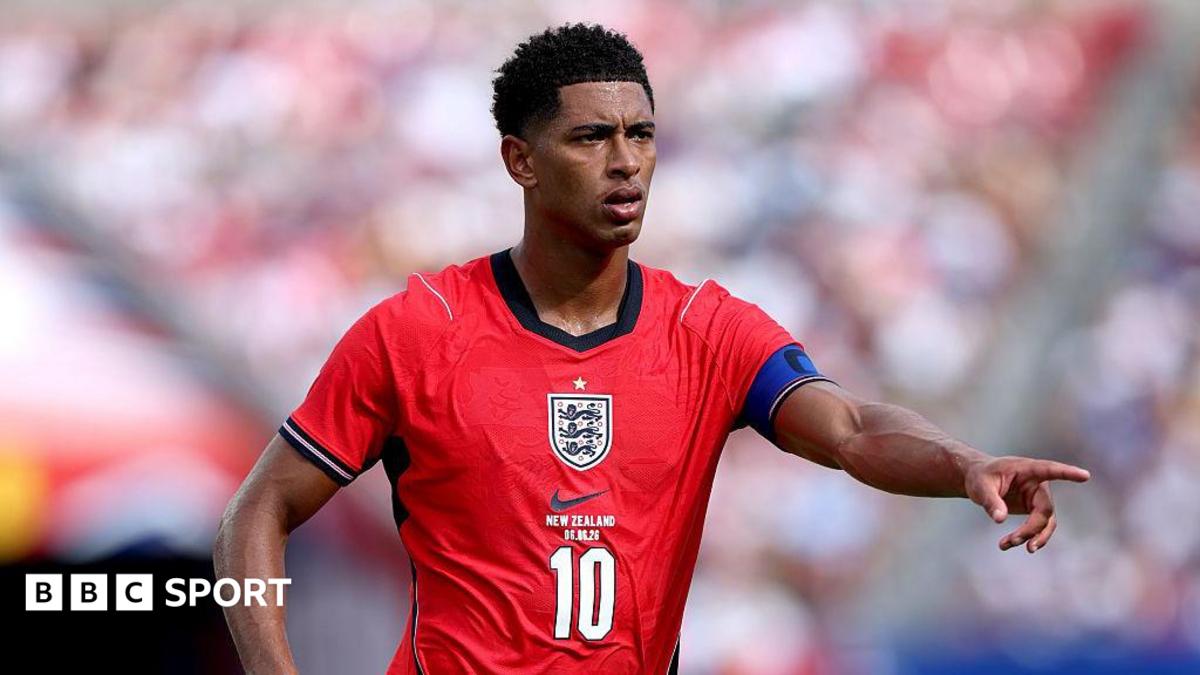
The narrative shifted during Saturday’s World Cup warm-up match against New Zealand in Tampa, part of England’s final preparation window before Tuchel submits his official tournament squad list to FIFA. After entering the game at half-time, Bellingham was entrusted with the captain’s armband in a 1-0 victory.
Tuchel expressed significant satisfaction with the performance, noting that the player has reached a “sweet spot” in his preparation. The manager highlighted Bellingham’s “decisiveness and bite” as key characteristics that are now aligned with a high level of energy and fitness.
“You can see that he comes from an injury and is full of energy and happy to be back on the pitch,” Tuchel said. “He comes back, he’s fresh, he wants to play and he’s in top shape.”
Club and International Implications
The timing of Bellingham’s recovery is critical. The midfielder missed significant portions of the season with Real Madrid, including decisive stages of the Champions League and the domestic campaign in Spain, limiting his match rhythm at precisely the moment national-team coaches prefer their core players to be at full tilt.
For England, the reconciliation between the manager and his star midfielder provides essential stability at the top of the dressing room hierarchy. Regaining a fit, motivated Bellingham-especially one capable of leading the side as captain-significantly strengthens the squad’s tactical flexibility and leadership core heading into the tournament, and offers Tuchel a clearer, more disciplined focal point as he navigates squad selection, media pressure and the fine margins of tournament discipline on the global stage.
Keep reading
- Mamelodi Sundowns Edge Orlando Pirates at Moses Mabhida Stadium as Ghampani Lungu’s Missed Penalty Decides MTN8 Final
- Michael Jordan’s 1998 NBA Finals Jersey Sells for $14 Million, Setting Basketball Memorabilia Record
- Indian police detain 'cockroach' movement founder Abhijeet Dipke ahead of rally (globallypulse.com)
