
Metabolic Priming of the Immune Response
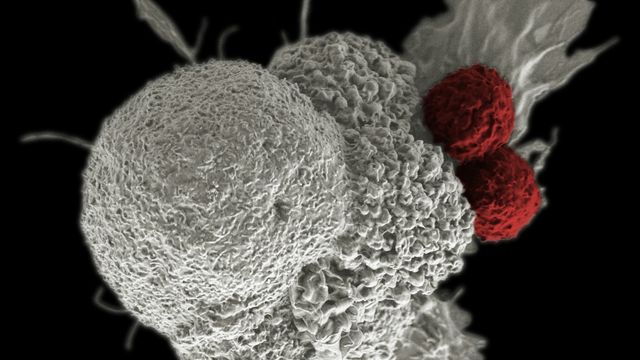
The efficacy of cancer immunotherapy often hinges on the ability of the immune system to recognize and penetrate the hostile environment of a tumor. While much of the clinical focus has remained on the “executioners” of the immune system-the killer T cells-new research from UCLA suggests that the metabolic support of the cells that guide these fighters is equally critical. Creatine, an organic compound best known from sports nutrition and produced naturally from amino acids in the liver and kidneys, has been identified as a key energy driver for dendritic cells, the specialized immune cells responsible for detecting tumor fragments and directing T cells to the site of malignancy.
The biological challenge in oncology is often one of energy competition. Tumors are metabolic sinks, rapidly consuming nutrients and leaving immune cells starved and exhausted. By enhancing the energy reserves of dendritic cells, there is a potential to maintain the immune system’s offensive capabilities even within nutrient-deprived tumor microenvironments-an approach that could complement, rather than replace, existing drug-based immunotherapies.
The Energy Dynamics of Dendritic Cell Activation
Research published in iScience highlights a specific mechanism: the elevation of the creatine transporter protein in dendritic cells that have infiltrated tumors. When this transporter is absent, cells exhibit impaired survival and a diminished ability to prime T cells. Conversely, increasing creatine levels appears to stabilize the cellular “battery” through the elevation of adenosine triphosphate (ATP), the core energy currency of the cell.
| Metric | Creatine-Deficient Dendritic Cells | Creatine-Supplemented Dendritic Cells |
|---|---|---|
| Survival Rate | Impaired/Reduced | Enhanced/Stabilized |
| T Cell Priming | Weakened response | Increased activation and division |
| Intracellular ATP | Low/Unstable | Elevated energy currency |
| Chemical Signaling | Reduced recruitment of immune cells | Higher levels of inflammatory signals |
“Immunotherapy has shown remarkable promise, but it only works for a subset of patients,” said Lili Yang, the study’s senior author. “What this study shows is that creatine doesn’t just help the T cells fighting cancer-it also energizes the entire infrastructure that supports and guides them. That makes creatine a promising tool to holistically support the immune response that modern immunotherapies depend on.”
Expanding the Reach of Immunotherapy
From a public health perspective, the current limitation of immunotherapy is its uneven efficacy across tumor types and patient populations. Many of the most advanced treatments, such as checkpoint inhibitors, fail to produce a durable response in a significant portion of patients, even when their tumors express the right molecular targets. Addressing the metabolic failures of the immune infrastructure could potentially lower the threshold for treatment success and make existing therapies work better for more people, rather than relying solely on new drug development.
- Current Response Rates: Only an estimated 20%-40% of patients typically respond to approved cancer immunotherapies, depending on cancer type and biomarker status.
- Systemic Bottleneck: T cell activation is often limited by the failure of dendritic cells to effectively present tumor antigens and remain functional in low-nutrient tumor niches.
- Therapeutic Potential: Using metabolic adjuvants, such as creatine-based strategies, could expand the percentage of “responders” within the patient population by reinforcing the upstream steps that govern T cell priming.
This metabolic approach suggests a dual application in clinical settings. “The potential we see here is that creatine could be used in two complementary ways: as a supplement to enhance the immune response of patients already receiving immunotherapy, and as a tool to improve the quality of dendritic cell-based vaccines before they’re administered,” said James Elsten-Brown, a co-first author and graduate student in Yang’s lab. Any such use, however, would need to be tested in carefully controlled trials before it could be incorporated into standard oncology practice.
Clinical Translation and Regulatory Pathways
While the findings in mouse models and human cell cultures are significant, the transition to human clinical application involves rigorous regulatory oversight. In the United States, the Food and Drug Administration distinguishes between dietary supplements, which are regulated under the Dietary Supplement Health and Education Act, and therapeutic drugs, which must pass through phased clinical trials before being approved for specific indications. Creatine monohydrate is widely available and generally recognized as safe for healthy adults, but its use as a clinical adjunct to cancer therapy would require formal investigation to establish dosing, interactions with existing cancer drugs, and safety profiles in immunocompromised populations.
The economic implications are also noteworthy for health systems and payers. If a low-cost, accessible supplement could, in time, be shown to increase the efficacy of high-cost immunotherapies, it could significantly alter the value proposition and accessibility of oncology care-particularly in publicly funded systems under budget pressure. For now, the researchers emphasize that no dietary or medical recommendations should be drawn from this stage of research, and patients must consult their oncology teams before altering supplement routines during treatment, as even over-the-counter products can interfere with complex cancer regimens.
“Understanding how to metabolically support dendritic cells is about supporting the entire anti-tumor response, not just the killer T cells at the end of it,” said Elliot Kang, a co-first author of the study. For regulators, clinicians, and hospital systems, the work points toward a next phase of immunotherapy in which energy metabolism becomes a design parameter for both drugs and supportive care, rather than a background detail left to chance.
Related reading
- Global Antimicrobial Resistance Action: Surveillance Networks and Novel Bacteriophage Therapies in Late 2026
- Wearable Biosensors and Continuous Metabolic Monitoring: Preventive Healthcare’s Next Frontier
- New Clitoral Reconstruction Technique Restores Sexual Function After Vulvar Cancer Surgery (archyde.com)
