

The Evolution of Home Cinema Processing and HDMI 2.1 Integration
The current trajectory of Audio-Video Receivers (AVRs) is increasingly defined by the necessity of high-bandwidth throughput to support next-generation gaming consoles and 8K display standards. Yamaha’s recent introduction of the RX500A and RX300A models underscores a market shift where features previously reserved for flagship units-such as Anti-Resonance Technology (A.R.T.)-are migrating to mid-range and entry-level hardware, effectively pushing what counts as “standard” in living-room home cinema.
The integration of HDMI 2.1 is no longer a luxury but a baseline requirement for infrastructure compatibility across consoles, set-top boxes and televisions. As defined by the HDMI Licensing Administrator standard, this specification supports bandwidth of up to 48Gbps and features such as Variable Refresh Rate (VRR) and Auto Low Latency Mode (ALLM). In practical terms, that allows these units to reduce input lag and eliminate screen tearing, which is critical for the synchronization of high-frame-rate content across Dolby Atmos home cinema environments and for ensuring that new hardware purchases remain interoperable with the next wave of displays and sources.
| Feature | Yamaha RX300A / RX500A Specifications |
|---|---|
| HDMI Standard | HDMI 2.1 (4K/120Hz, 8K/60Hz) |
| Video Pass-through | Dolby Vision, HDR10+ |
| Channel Configuration | RX300A: 5.2-channel | RX500A: 7.2-channel |
| Entry Price (RX300A) | £349 (Approx. $475) |
Parallel to this, Denon is targeting the higher-fidelity segment with the AVR-X2900H. The architectural focus here is the transition to a 32-bit multi-channel DAC (Digital-to-Analog Converter) architecture. This upgrade is designed to minimize quantization errors and expand dynamic range, which Denon claims will offer “improved imaging, clearer high-frequency detail and more confident low-frequency energy across every channel”. For content distributors and streaming platforms, these kinds of advances raise the bar consumers expect from lossless and high-bitrate tiers, nudging both standards bodies and service providers toward more consistent support for premium audio formats.

RGB Mini LED vs. OLED: The Battle for Peak Luminance
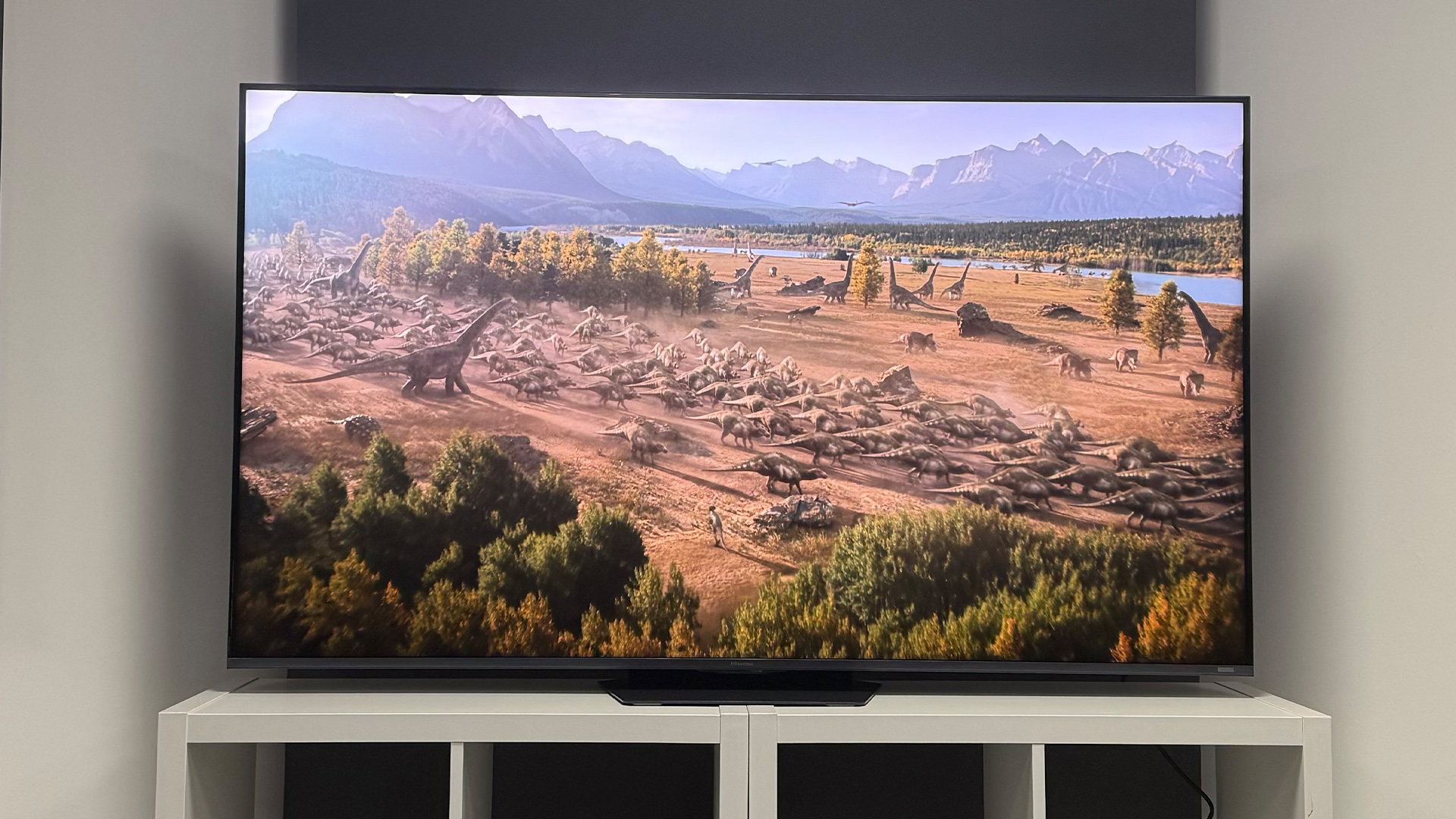
If processing power is quietly reshaping AVRs, display technology is engaged in a much more visible arms race. The display market is currently witnessing a collision between self-emissive OLED technology and advanced backlight systems. The Hisense UR9 represents the arrival of RGB Mini LED technology, a system designed to bridge the gap between the infinite contrast of OLED and the extreme brightness of traditional LED-LCDs.
By utilizing thousands of microscopic LEDs grouped into highly granular local dimming zones, RGB Mini LED attempts to mitigate the “blooming” effect often seen in standard LED TVs while pushing peak luminance levels far beyond what current OLED panels can sustain. That extra brightness matters for HDR content mastered for living rooms with ambient light and for broadcasters and regulators who are increasingly thinking about accessibility and color accuracy across a fragmented TV installed base. However, the inherent architectural difference remains: OLEDs can shut off individual pixels entirely, whereas Mini LED still relies on a backlight layer, which can affect viewing angles and the perception of “perfect” blacks.
- RGB Mini LED (Hisense UR9): Superior peak brightness and HDR punch; high efficiency for bright-room environments and sports or news viewing where high APL (Average Picture Level) is common.
- OLED (Sony Bravia 8 II): Perfect black levels and superior viewing angles; more natural three-dimensional image depth and a cinematic presentation that closely tracks creator intent in darker, controlled rooms.
The Physical Media Paradox and Luxury Audio Engineering
At the opposite end of the innovation spectrum, the format story is more cyclical than linear. While streaming dominates the market, there is a verifiable resurgence in physical media, driven largely by a generational shift toward tangible ownership and by fears that licensed catalogues can disappear overnight from digital platforms. Shanling’s EC Play targets this trend by blending legacy formats with modern connectivity. The inclusion of a Cirrus Logic CS43198 DAC ensures high-fidelity signal conversion, while the proprietary active magnetic clamp mechanism addresses the primary mechanical failure of portable disc players: skipping during motion.
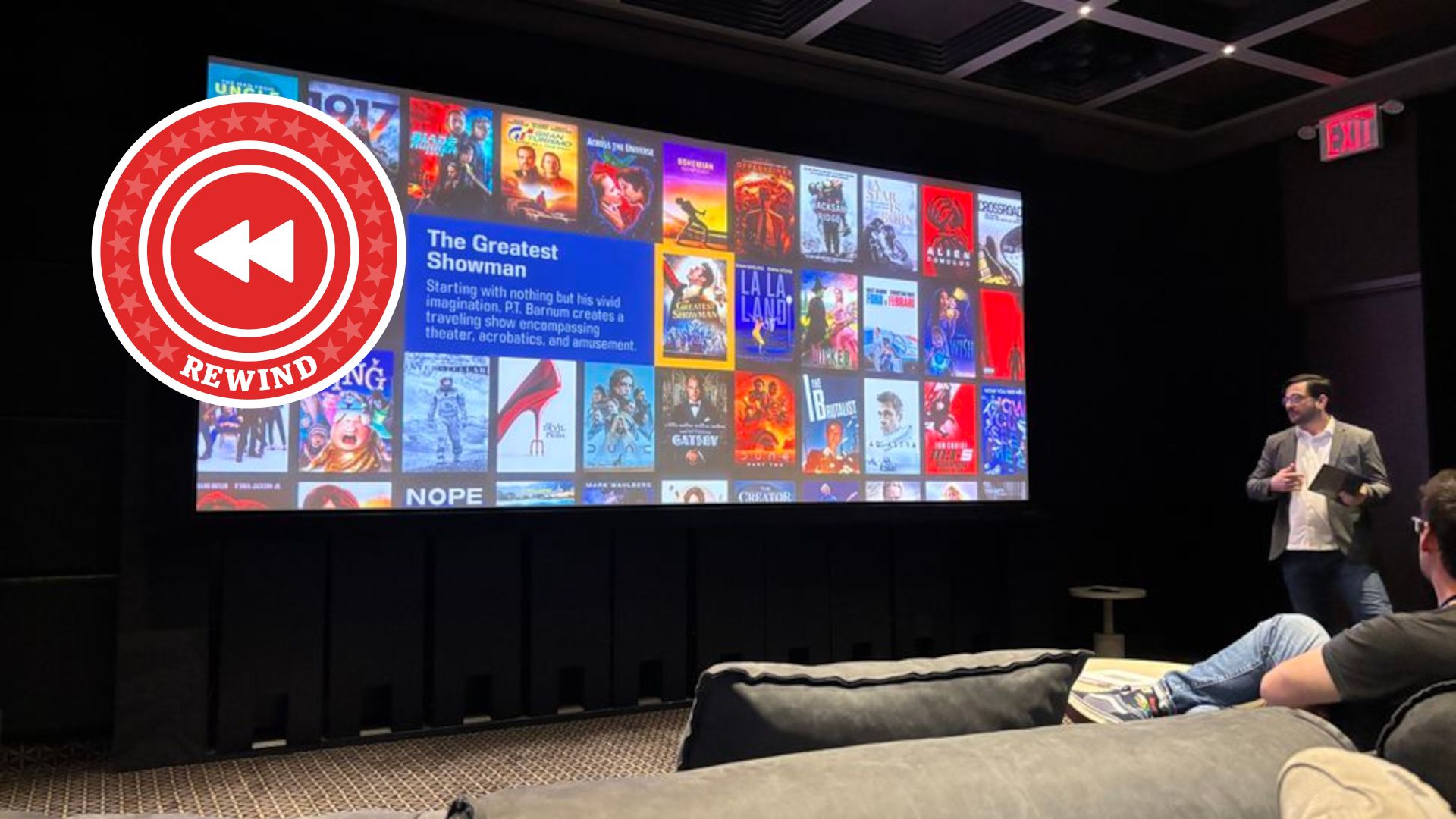
This revival of “retro” tech exists on a spectrum that extends to the extreme ultra-luxury market. The McIntosh Group’s “House of Sound” in New York illustrates the ceiling of home audio infrastructure, featuring a 29-speaker home cinema system valued at $550,000. This level of engineering focuses on acoustic treatment and extreme signal purity, targeting a consumer base where the cost of hardware is secondary to the pursuit of mastering-studio accuracy within a residential space. At the policy level, such showcase systems also highlight a quieter but important issue: as homes edge closer to commercial-grade cinemas, local planning and zoning rules, as well as emerging building-efficiency standards, will increasingly shape what is possible in dense urban environments.

Whether through the democratic accessibility of the HDMI 2.1 standard or the niche appeal of portable CDs, the consumer electronics market continues to oscillate between cutting-edge efficiency and a nostalgic return to physical signal chains. For regulators, broadcasters and manufacturers alike, the challenge now is less about choosing a single “winning” format than about ensuring interoperability, energy efficiency and long-term support across a rapidly widening range of home cinema ambitions.
