
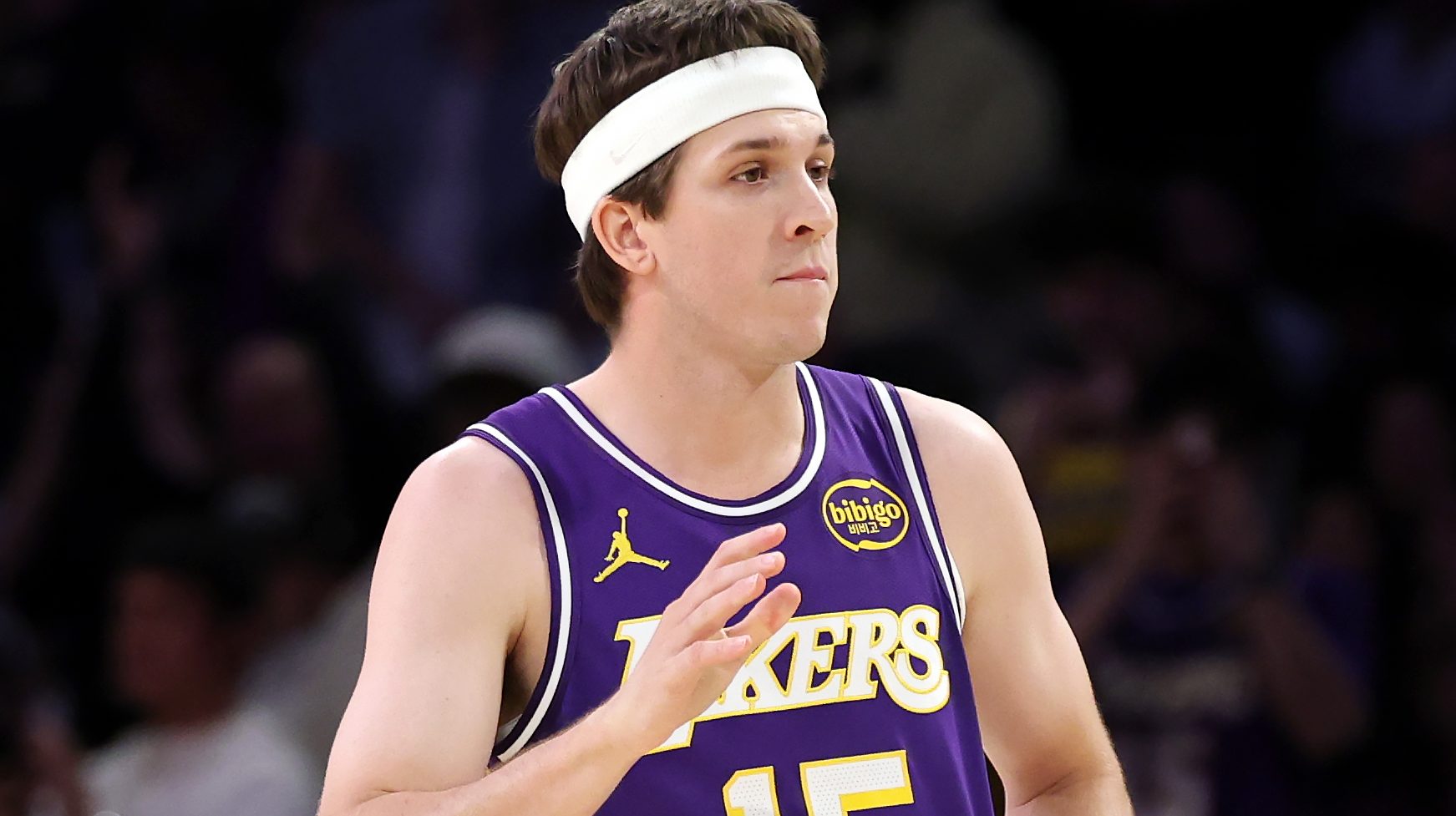
The Los Angeles Lakers face a significant early deficit in the Western Conference semifinals after a stagnant offensive performance in Game 1 against the Oklahoma City Thunder. The 90-point output underscored a critical lack of efficiency from key playmakers, most notably guard Austin Reaves, who struggled to find his rhythm against the league’s top-rated defense and one of the most aggressive perimeter schemes in the postseason.
The challenge is compounded by the continued absence of Luka Doncic, who remains sidelined with a hamstring injury. Without their primary offensive engine and late-clock shotmaker, the Lakers have been forced to redistribute usage across a supporting cast that is itself navigating lingering injuries and fluctuating form. The result in Game 1 was an offense that too often stalled into isolation and contested jumpers rather than the read-and-react flow the coaching staff has been trying to install.
Reaves’ Shooting Struggles
Austin Reaves’ performance on Tuesday night quickly became a focal point of the Lakers’ offensive collapse. Returning from an oblique injury suffered a month ago, Reaves appeared out of sync, struggling with both shot selection and execution and rarely getting to his more reliable midrange spots.
His recent shooting trend reveals a concerning dip in productivity as the team entered the postseason:
- Vs. Houston Rockets (regular season finale): 4-for-16
- First-round Game 6: 7-for-14 (0-for-4 from 3-point range)
- Conference Semifinal Game 1: 3-for-16 (0-for-5 from 3-point range)
The slump has now produced a streak of 14 consecutive missed three-pointers for Reaves. In addition to the poor shooting, he recorded four turnovers in Game 1, further undermining the Lakers’ ability to sustain offensive momentum and shortening already fragile productive stretches.
Head coach JJ Redick, known for his direct approach, did not sugarcoat the performance, stating that Reaves “didn’t play well,” while emphasizing that the guard’s track record as a secondary creator and foul-drawer gives the staff confidence he can recalibrate quickly. Internally, the concern is less about one bad night than about whether Reaves can physically trust his core again and mentally reset amid a hostile road environment.
Defensive Adjustments and Team Execution
While Reaves’ shooting line stood out, the broader story for Los Angeles was an anemic team performance. The Lakers managed only 90 points, shot 41.2% from the field and committed 18 turnovers, many of them live-ball giveaways that fueled Thunder transition opportunities.
On the other end, a significant portion of the coaching staff’s focus is now on containing the Thunder’s reigning MVP, Shai Gilgeous-Alexander (SGA), within the physical parameters allowed by modern playoff officiating under the NBA Rule Book’s guidelines on defensive contact. Despite the loss, the Lakers’ defensive metrics against SGA in Game 1 were respectable: they limited him to 18 points and six assists while forcing seven turnovers through a mix of aggressive point-of-attack pressure and early help at the elbows.
The problem, as Redick noted, came when SGA was off the court. The Thunder maintained a plus-9 advantage during those minutes, leaning on depth, pace and a spread pick-and-roll attack that repeatedly exploited late Laker rotations. Those non-SGA stretches are now a clear strategic fault line in the series, and Los Angeles must win or at least neutralize them to remain competitive in the NBA playoffs.
Redick indicated that the team is leaning into extended film sessions to sharpen defensive clarity-particularly around weak-side responsibilities and closeout discipline-so that role players understand precisely when to stunt, switch or stay home. That level of tactical refinement is central to postseason decision-making at the franchise level, where series outcomes inform not just rotations for the week ahead but offseason roster and cap-planning debates in the front office.
Reaves’ Outlook for Game 2
Following the Game 1 defeat, Reaves took personal responsibility for his performance, citing mental lapses, rushed decisions and an inability to convert open looks created by the scheme. He acknowledged that the Thunder are particularly adept at capitalizing on consecutive mistakes, turning a single bad possession into multi-possession runs that quickly swing momentum.
Reaves noted that his primary objective for Game 2 is simply to “make more shots” and cut down on turnovers against a Thunder squad that pressures the ball aggressively and shades extra help toward primary creators. Internally, the coaching staff is expected to simplify some of his reads-more two-man actions, fewer late-clock isolations-in an effort to restore confidence and rhythm.
The ability of Reaves to regain his efficiency will be pivotal for the Lakers. In a series where they are already fighting an uphill battle due to injuries and depth concerns, an ineffective second scoring option places immense strain on the remaining stars and leaves little margin for error. For an organization operating under the league’s salary-cap and luxury-tax constraints, how Reaves and the current core respond will shape not only the arc of this series but also the decisions ownership and management face once the postseason ends.
Worth a look
