
Explosion at Qatar’s Ras Laffan LNG Facility Disrupts Return to Global Energy Markets
DOHA – A massive explosion and subsequent fire at Ras Laffan Industrial City on Sunday left at least 54 people injured and 18 others missing, stalling Qatar’s critical efforts to restore its liquefied natural gas (LNG) exports and jolting already fragile global energy markets.
The incident occurred during the start-up of operations at the Barzan local gas supply facility on the evening of June 21, 2026, as workers were ramping up systems that had been partially idled amid recent regional tensions. The blast comes at a moment of extreme fragility for global energy supplies, as the world’s second-largest LNG exporter attempts to pivot back to full production following a period of systemic disruption caused by conflict in and around the Gulf.
The scale of the disaster highlights the precarious nature of energy infrastructure in the Gulf during periods of geopolitical volatility. As markets look toward the reopening of the Strait of Hormuz-the world’s most important energy choke point for seaborne oil and gas flows-this operational failure threatens to delay the arrival of critical cargoes to Europe and Asia just as governments are planning winter supply strategies.
Casualties and Emergency Response
The Qatari Ministry of the Interior confirmed early Monday that the number of injured has reached 54. Search and rescue operations are currently centered on the Barzan facility within Ras Laffan, where 18 workers remain unaccounted for amid extensive structural damage.
The Qatar International Search and Rescue Group of the Internal Security Force (Lekhwiya) is leading the recovery efforts in coordination with Civil Defence teams and medical authorities, who have activated emergency hospital capacity in the Doha area. Authorities have characterized the event as an industrial accident rather than a renewed external attack, a distinction closely watched by regional security analysts and insurers.
The explosion “was caused by a technical malfunction during operations at a factory in Ras Laffan Industrial City,” the ministry stated.
QatarEnergy, the state-owned energy giant that operates Ras Laffan, confirmed that the “operational incident” took place during the sensitive phase of restarting facilities that had been dormant or curtailed in recent months. The company said gas supplies to the domestic grid remain stable for now, but noted that assessments of export infrastructure are ongoing.
The incident will be reviewed under Qatar’s industrial safety and emergency management framework, which is anchored in national energy regulation and the broader governance role of the Council of Ministers and associated regulatory bodies. Any findings could feed into tighter technical and inspection requirements for high‑pressure gas systems at Ras Laffan and other strategic facilities.
Strategic Impact on Global LNG Supply
The timing of the explosion is particularly damaging for energy planners. Qatar has been coordinating a phased return of its LNG tankers to the Middle East in anticipation of the reopening of the Strait of Hormuz, which is essential for the transit of tankers to global markets and is central to shipping regimes overseen under international law of the sea.
The disruption at Ras Laffan follows a period of severe instability for the Qatari energy sector:
- Early March 2026: QatarEnergy curtailed LNG output following the onset of hostilities between Iran, the United States, and Israel, citing heightened security risks and navigational constraints.
- Mid-March 2026: An LNG facility within the Ras Laffan complex was directly struck by Iranian missiles, damaging processing units and leading Qatar to declare force majeure on some export contracts.
- June 2026: Tentative agreements to reopen the Strait of Hormuz prompted Qatar to begin moving tankers back into position and to restart mothballed trains and related gas treatment units.
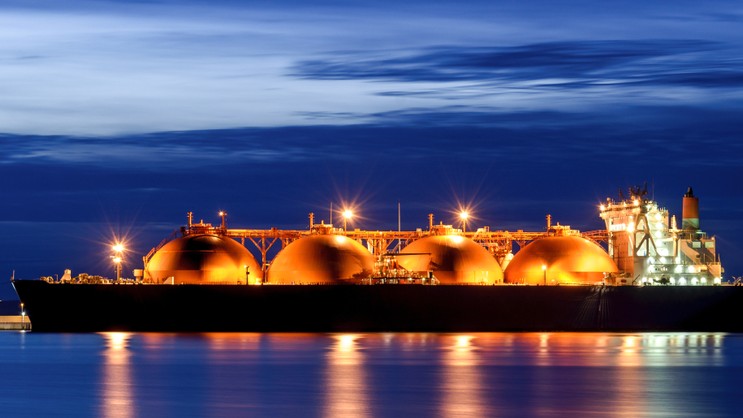
Ras Laffan is the heart of Qatar’s energy economy, housing the massive liquefaction trains, storage tanks, and loading berths required to chill and ship natural gas to buyers worldwide. Any delay in the operational readiness of these sites sends ripples through the global spot market, where prices remain sensitive to even short‑term supply shocks and where European and Asian utilities have limited room to maneuver after redirecting purchases away from Russian pipeline gas.
Recovery Timelines and Market Expectations
Prior to Sunday’s explosion, QatarEnergy had provided relatively optimistic projections to its international customers regarding the restoration of export capacity. The company indicated that it could restore approximately 50% of its production capacity within one month of the restoration of safe navigation through the Strait of Hormuz, assuming no further major technical setbacks.
Industry sources, including reports from Bloomberg, suggested a more aggressive recovery curve, with the potential to return as much as 80% of capacity within two months. Those expectations were already contingent on rapid repairs to March missile damage and on the smooth restart of supporting domestic gas units such as Barzan.
The technical failure at the Barzan facility introduces new variables into this timeline. Investigators are now working to determine whether the malfunction was an isolated equipment failure or symptomatic of broader maintenance and integrity issues following months of stress on the system. Any indication of systemic risk would likely trigger more conservative restart protocols, prolonging outages and forcing Qatar’s customers to seek alternative supply in an already tight market.
The restoration of Qatari LNG is viewed by policymakers as a cornerstone of global energy security, particularly for nations that have shifted away from Russian pipeline gas and now rely heavily on flexible Qatari shipments to maintain winter reserves and stabilize domestic prices. European energy ministries and Asian importers are expected to revisit contingency plans-ranging from strategic storage drawdowns to demand‑side measures-if Qatar’s recovery schedule slips significantly.
Qatar’s Ministry of the Interior and QatarEnergy say they continue to monitor the site as search operations for the missing 18 personnel proceed and as technical teams assess damage to processing units and associated export infrastructure. Early conclusions from the investigation, and any subsequent regulatory or safety directives, are likely to shape how quickly Ras Laffan can resume the role that global gas markets have been counting on.
Worth a look
