
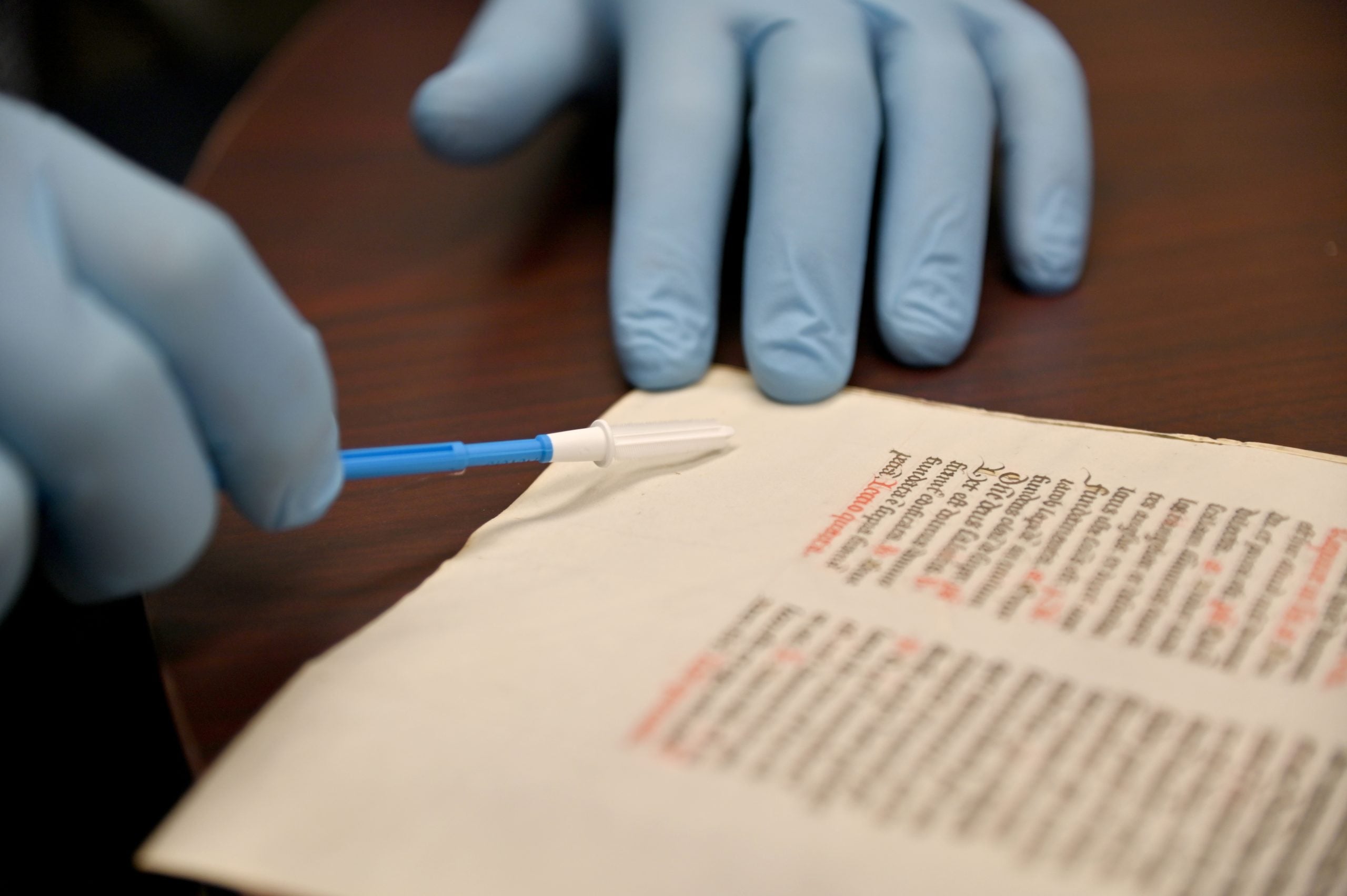
The intersection of genomics and historiography is shifting from the study of ink and calligraphy to the analysis of the biological substrate itself. Historic parchment manuscripts, once viewed primarily as carriers of text, are now being treated as biological archives that preserve the genetic blueprints of the animals used in their creation.
New methodologies in cellular harvesting are enabling the extraction of DNA from documents dating back 1,300 years. This transition toward non-invasive sampling resolves a long-standing tension between the need for empirical genetic data and the ethical mandate to preserve culturally significant artifacts held in public and private collections.
Non-Invasive Cellular Harvesting
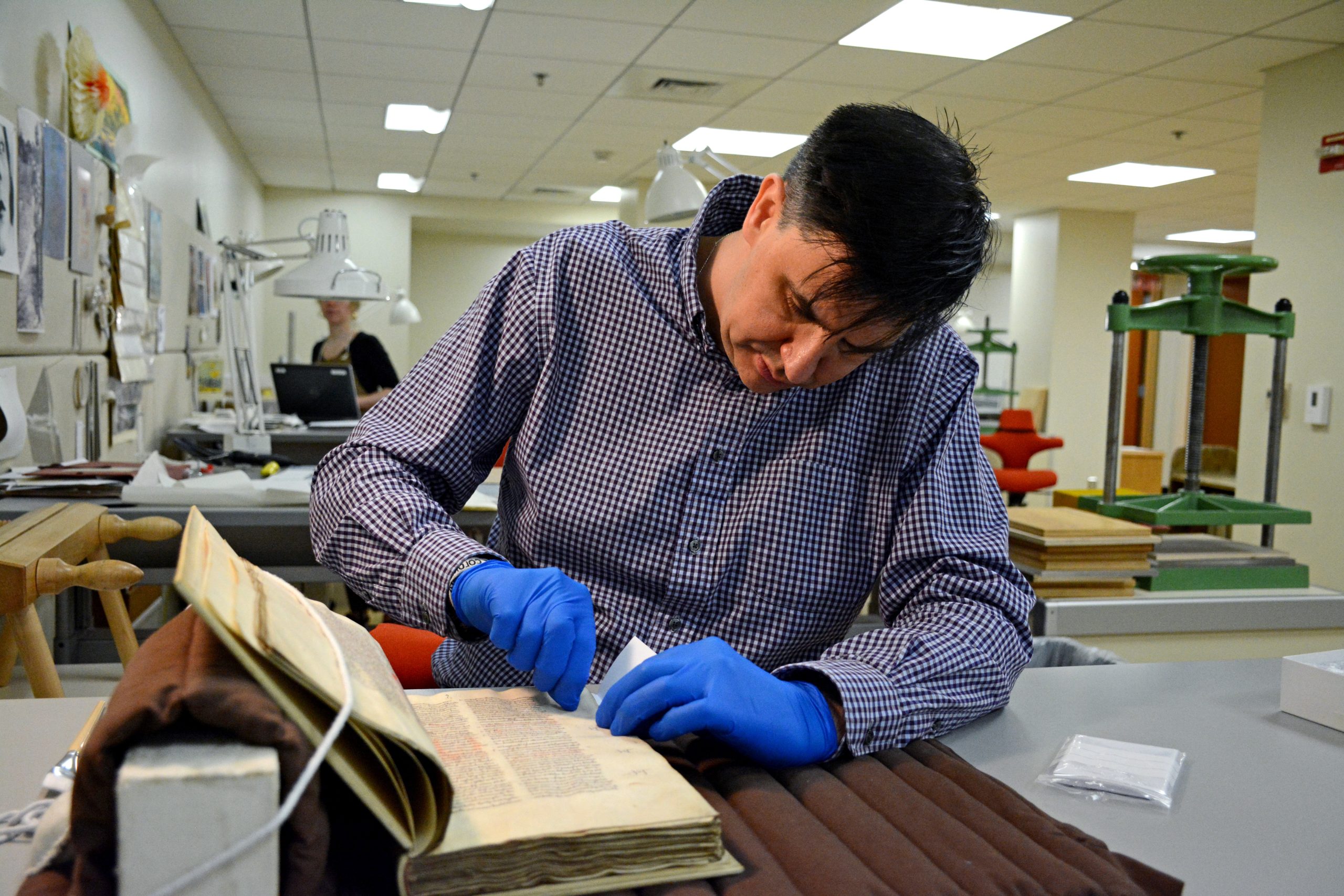
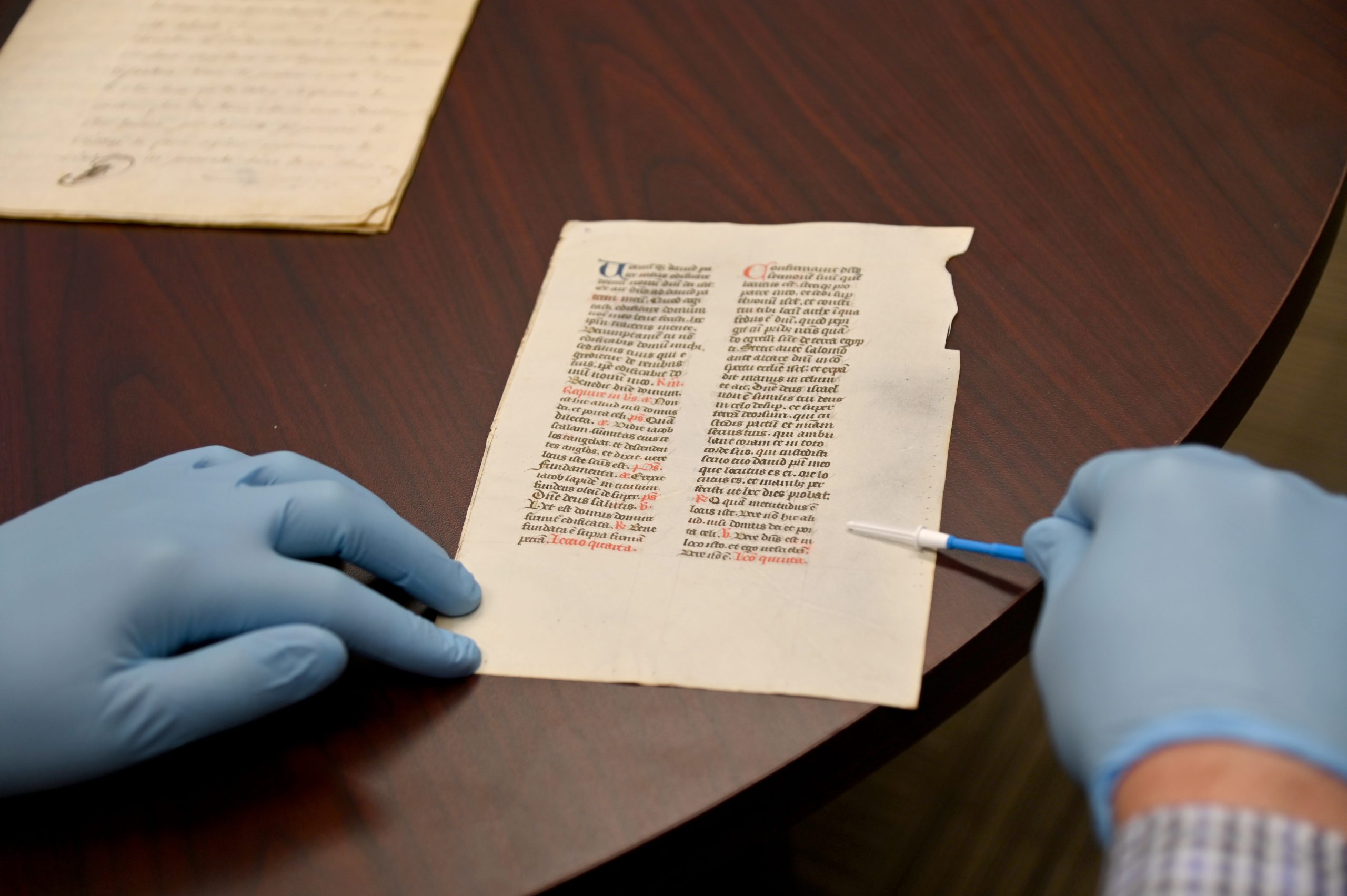
The primary barrier to genetic analysis in archival settings has been the destructive nature of traditional sampling, which often required the physical removal of small fragments from the manuscript. A new approach utilizes cytology brushes-standard medical tools used in Pap smears-to gently harvest surface cellular material.
“Cytology brushes can be used when dry and do an excellent job of harvesting cellular material without damaging the integrity of the artifact being sampled,” says Matthew Breen, coauthor of the research and the Oscar J. Fletcher Distinguished Professor of Comparative Oncology Genetics in NC State’s College of Veterinary Medicine.
This method was tested on 91 manuscripts from Duke University’s Rubenstein Library, with origins spanning from England to Ethiopia and dates ranging from the late eighth century to the early 20th century. The process allows researchers to bypass the risk of physical degradation while still obtaining sufficient biological material for deep sequencing.
“This paper is particularly important because one of the biggest challenges for this emerging field of genetic analysis has been gaining access to historic parchments, due to concerns that collecting samples would damage these culturally significant artifacts,” says Tim Stinson, an associate professor of English at North Carolina State University. “Our work shows that we can collect samples without harming the parchments, which is a big step forward.”
For museums, libraries, and archives that operate under strict conservation mandates and professional standards such as the International Council of Museums Code of Ethics, the ability to authorize genetic research without physical loss of material is likely to be central to future access policies and loan agreements.
Next-Generation Sequencing and Data Recovery
Once cellular material is captured via the brush, it undergoes a complex laboratory pipeline. Because ancient DNA (aDNA) is typically fragmented and degraded over centuries, researchers employ next-generation sequencing (NGS) to recover and amplify the remaining genetic sequences.
Unlike older sequencing methods, NGS allows for high-throughput analysis, enabling scientists to identify specific species and breeds even from minute, degraded samples. This involves the use of bioinformatic pipelines to filter out modern human contamination and isolate the endogenous animal DNA.
“We’re essentially using state-of-the-art technologies and genetic analytical techniques to get new, empirical information regarding historical, cultural, and agricultural practices,” says Stinson. In practice, that means curators and historians can begin to corroborate or challenge assumptions about where and when particular codices were produced, and how far the underlying animal products may have traveled.
| Feature | Traditional Sampling | Cytology Brush Method |
|---|---|---|
| Artifact Impact | Destructive (physical clipping) | Non-destructive (surface rub) |
| Sample Volume | Higher biomass | Low biomass (requires NGS) |
| Institutional Approval | Difficult/rare | More accessible/trusted |
| Analysis Depth | Species identification | Breed evolution & disease tracking |
Genetic Insights into Ancient Infrastructure
The ability to map the DNA of the animals used for parchment provides an empirical layer of data that complements written records. By identifying the breeds and origins of the livestock, researchers can reconstruct ancient agricultural networks and trade movements.
“Because they are made from animal skins, it is often possible to extract genetic information from parchments,” says Stinson. “That genetic information, in turn, offers us a window into the past, answering questions about things such as when and where a manuscript was made.”
This biological data extends beyond simple geography. Breen explains that “Because parchments have been in use for so long, and often record detailed historical information, the genetic information they contain can also shed light on the evolution of domesticated farm species, how breeds developed over time, livestock diseases and so on.” In the longer term, such evidence could inform present-day debates on heritage breeds, animal-health surveillance, and the resilience of food systems.
The technical risks associated with this process are primarily centered on data integrity and contamination:
- Environmental contamination: Modern DNA from handlers or dust can overwhelm the minute quantities of ancient DNA.
- Chemical degradation: Historic inks and tanning agents can inhibit the enzymatic reactions required for DNA amplification.
- Sequence fragmentation: Ancient DNA is often broken into very short fragments, requiring sophisticated computational alignment to map them back to a reference genome.
Establishing Trust in Bio-Archival Research
The successful application of this technique is expected to open the doors of archives worldwide. By proving that high-density genetic data can be acquired without risking the physical integrity of the document, researchers can establish new partnerships with museums and libraries, and help those institutions update their research access policies and due-diligence procedures.
“We’ve shown that we’re able to extract a tremendous amount of new information from these parchments without harming them,” says Breen. “This will hopefully engender trust with those organizations that are responsible for preserving these historic documents.”
The long-term goal is to transform the global archive into a searchable genetic database, merging medieval history with forensic science. Stinson notes, “We’re excited about the potential of this field and are seeking funding that will allow us to explore that potential. We’ve demonstrated that this is a vast, untapped source of historical information, and we want to continue this pioneering work.”
Breen emphasizes the transformative nature of this interdisciplinary approach, stating, “We have a remarkable opportunity here. It is essentially a whole new field, bringing together a truly interdisciplinary range of expertise spanning fields from genetics to medieval history.” As cultural institutions, funders, and regulators increasingly look for evidence-based methods to balance preservation with access, nondestructive genomic sampling of parchment is poised to become part of the standard toolkit for stewarding and understanding the documentary record.
