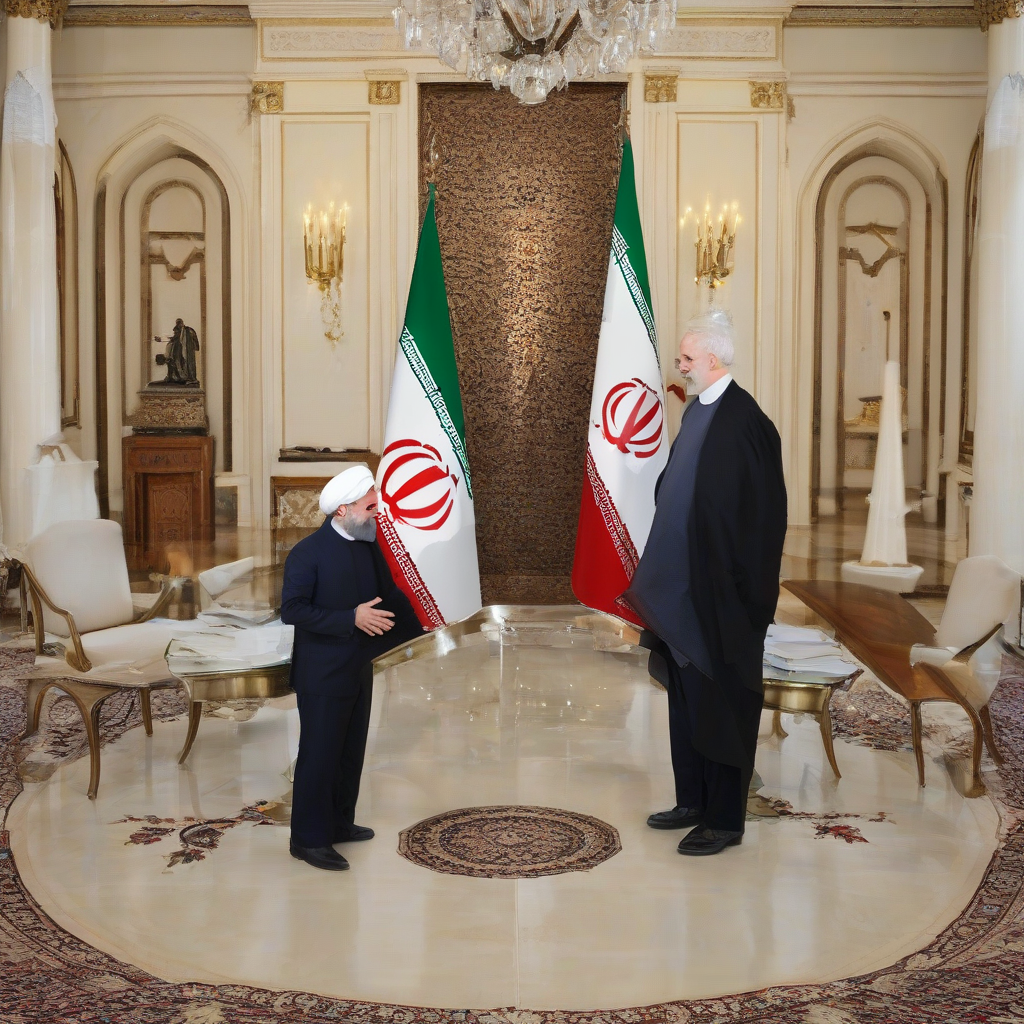
ABU DHABI – Marco Rubio arrived in the United Arab Emirates on Tuesday for high-level discussions with Sheikh Mohamed bin Zayed, initiating a diplomatic tour aimed at stabilizing relations between the United States and its Gulf allies.
The visit comes as Gulf Cooperation Council (GCC) members express apprehension over a memorandum of understanding (MoU) between Washington and Tehran. The agreement has sparked concerns among regional partners that key threats, specifically Iran’s missile program and its network of regional proxies, remain insufficiently addressed.
From the UAE, Rubio is scheduled to travel to Kuwait and subsequently to Bahrain to participate in a Gulf Cooperation Council meeting, where foreign and defense officials from the six-member bloc are expected to brief him on their collective security assessments under the GCC’s charter and defense cooperation arrangements.
Security Assurances and Regional Stability
The primary objective of the mission is to provide security guarantees to allies who have faced direct Iranian aggression during the recent conflict and to clarify how the emerging US-Iran understanding will be implemented in practice. According to Rubio’s spokesperson, Tommy Pigott, the discussions in the UAE centered on several critical security pillars aligned with existing US defense commitments and basing agreements in the region.
- President Trump’s memorandum of understanding with Iran and its relationship to existing US sanctions authorities
- The security of transit through the Strait of Hormuz under international law, including obligations rooted in the UN Convention on the Law of the Sea
- Broader regional peace and stability, including missile defense cooperation and information sharing on non-state armed groups
Pigott stated that Rubio “thanked the UAE for their leadership and unparalleled support, praised their courage and resilience in the face of Iran’s attacks, and reaffirmed the US commitment to the security of the Emirates.” He added that both sides discussed ongoing US arms sales subject to congressional oversight and export control rules, framing them as part of a longer-term deterrence architecture rather than a one-off response to the latest crisis.
The Strait of Hormuz Transit Dispute
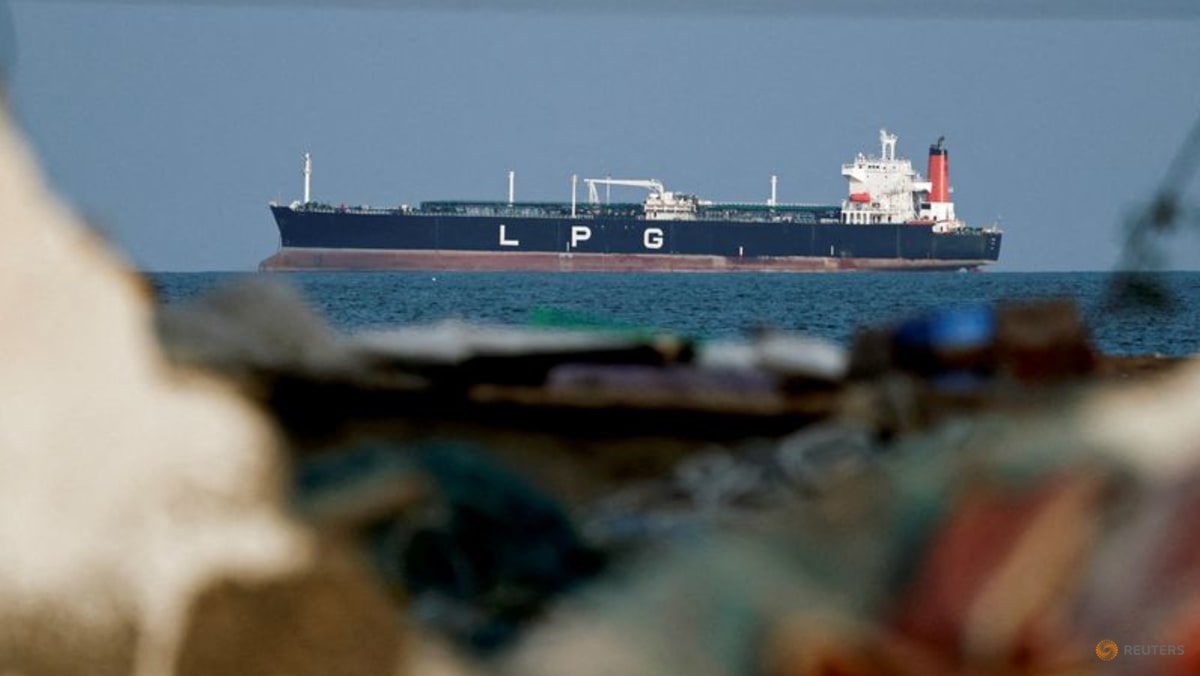
A central point of contention in current US-Iran negotiations involves the Strait of Hormuz, the world’s most important oil chokepoint and a maritime corridor through which a significant share of globally traded crude must pass. Iran had previously proposed implementing “maritime service fees” for vessels crossing the strait, a move the United States has fiercely opposed as incompatible with the principle of freedom of navigation and the customary right of transit passage for commercial shipping.
On Wednesday, President Donald Trump addressed the issue via his Truth Social platform, claiming that Tehran had retracted the proposal.
“Iran has informed the US that… there are ‘NO TOLLS, NO INSURANCE COSTS, & NO OTHER CHARGES OF ANY KIND BEING SOUGHT OR RECEIVED BY IRAN ON SHIPS TRAVELING THE STRAIT OF HORMUZ’,” Trump wrote.
The White House did not specify if this commitment is permanent or limited to the current 60-day negotiating window designated for reaching a definitive settlement. Diplomats say that ambiguity leaves insurers, energy markets and Gulf governments watching closely for any clarification in written form or through future statements by maritime authorities.
Iranian Terms for Coexistence
Tehran has maintained a defiant posture, suggesting that Gulf nations may find more stability by aligning with the Islamic Republic than with Western powers, even as it signals readiness for a managed de-escalation. Iranian chief negotiator Ghalibaf argued that the path forward relies on mutual interaction rather than conflict. “We see the future of the region not in confrontation but in interaction and not in elimination but in coexistence,” Ghalibaf said.
Ghalibaf further linked a final agreement with the United States to the resolution of hostilities in Lebanon, where Tehran-backed Hezbollah launched attacks on Israel, framing the talks as part of a wider regional security bargain rather than a narrow nuclear or sanctions deal.
“For us, the ceasefire in Lebanon has been and is as important as the ceasefire in Iran, and the end of the war in Lebanon has been as important as the end of the war in Iran,” Ghalibaf said. That linkage underscores why Gulf capitals are pressing for explicit guarantees that any US-Iran understanding will not come at the expense of their own security or the balance of power along their borders.
Prospects for Regional Reconciliation
While formal agreements remain pending, separate diplomatic channels are exploring a broader rapprochement among regional rivals. A diplomat, speaking to AFP on condition of anonymity, indicated that reconciliation talks between Iran and Gulf countries are expected to take place in Saudi Arabia, though a specific date for these meetings has not been set. Those discussions would build on earlier understandings brokered between Tehran and Riyadh and could eventually feed into a more formalized regional security dialogue housed under existing Gulf and Arab League mechanisms.
Rubio is now proceeding to Kuwait and Bahrain to continue these consultations ahead of the GCC summit. Gulf officials say they plan to use the gathering to coordinate positions on the US-Iran MoU, maritime security and the future presence of US forces, seeking a unified stance before any final text is agreed between Washington and Tehran.