
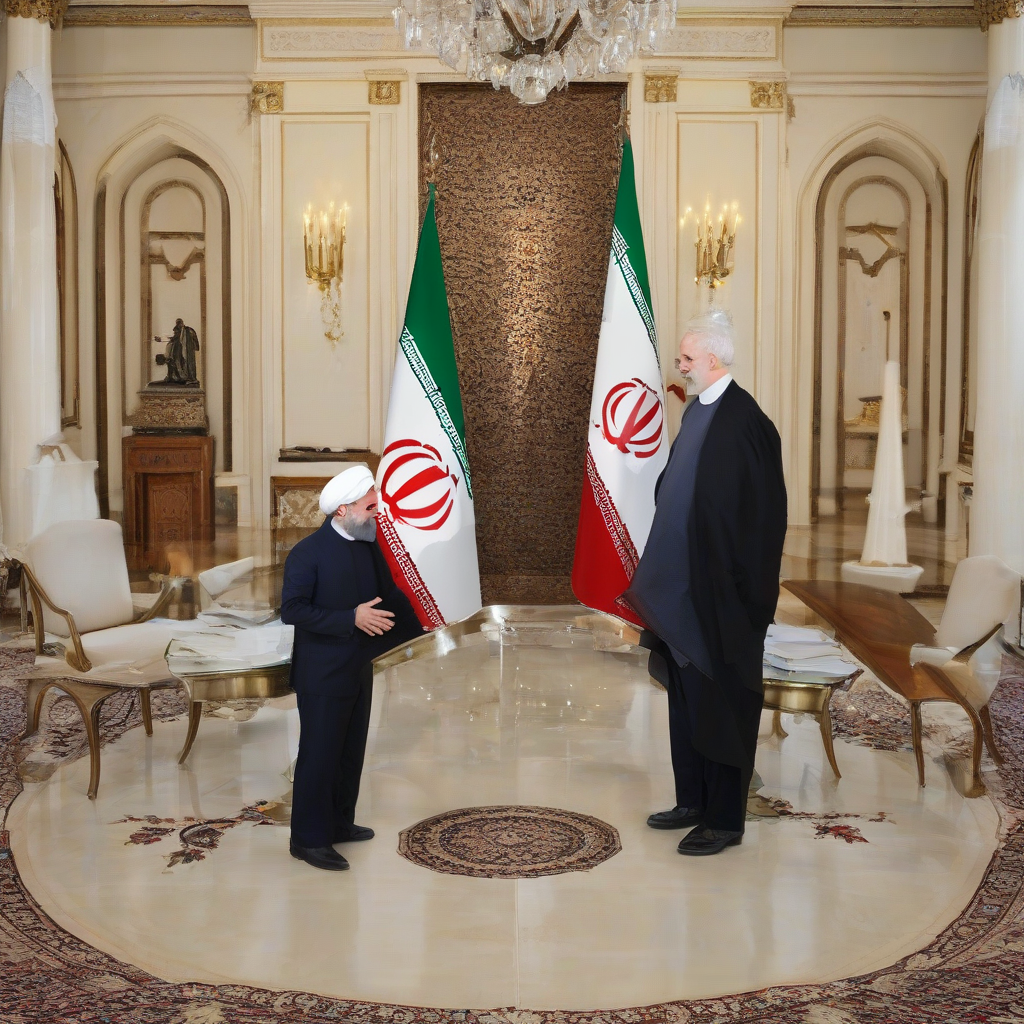
SINGAPORE – The United States and Iran announced a preliminary agreement on Sunday, June 14, aimed at ending their current state of war and reopening the Strait of Hormuz.
The agreement follows a conflict that began on Feb 28, initiated by attacks on Iran by the U.S. and its ally, Israel. The war has resulted in thousands of deaths and triggered a global economic crisis as energy prices spiked following Tehran’s blockade of the Strait of Hormuz.
In response to the blockade, the U.S. had implemented its own blockade of shipping traffic heading to Iranian ports.
Terms of the Memorandum of Understanding
A memorandum of understanding (MoU) is scheduled to be officially signed on Friday, June 20, in Switzerland, in what diplomats are describing as a framework to halt active hostilities and create a pathway to a broader political settlement. While the announcement confirms the intent to end hostilities, the precise terms of the deal have not been fully disclosed and remain subject to technical negotiations.
Iran’s deputy foreign minister, Kazem Gharibabadi, stated on state television that the MoU serves as a precursor to a more comprehensive agreement that would cover both security guarantees and economic relief.
The signing will trigger a 60-day negotiation window focused on two primary issues that have long been at the core of Western sanctions and regional security concerns:
- The status of Tehran’s nuclear programme
- The management of Iran’s stockpile of enriched uranium
Officials from both sides said the talks will be conducted against the backdrop of existing nuclear oversight obligations, including those set out under the International Atomic Energy Agency’s safeguards legal framework, which governs inspections and verification of nuclear material worldwide.
Disputes over the Strait of Hormuz
The reopening of the Strait of Hormuz, a critical maritime chokepoint for global oil and gas supplies, remains a central point of contention. Roughly a fifth of the world’s traded crude typically passes through the narrow waterway, making its status a direct concern for energy-importing governments from Asia to Europe.
President Donald Trump stated that the strait would reopen on Friday and confirmed he has ordered the end of the U.S. blockade on Iranian ports, contingent on Iran beginning to lift its own restrictions on shipping.
However, a diplomatic rift persists regarding the conditions of transit. The U.S. has maintained that the waterway must reopen “toll free.” Conversely, Iran seeks a framework where it can charge ships for passage, framing it as a sovereign right and a way to fund reconstruction after months of conflict.
Under international law, the Strait of Hormuz is generally considered an international strait used for navigation, and the imposition of unilateral transit fees by a single coastal state is viewed by other nations as a violation of the customary rules reflected in the UN Convention on the Law of the Sea. Diplomats say reconciling Iran’s revenue demands with these norms will be a key early test of whether the MoU can translate into a durable settlement.
Logistics and Market Impact
The physical reopening of the waterway faces technical hurdles, specifically the removal of naval mines and damaged vessels from shipping lanes. A U.S. official indicated that G7 countries may be tasked with handling the demining operations, alongside regional partners, under a joint command structure still being negotiated.
Energy analysts warn that a signed agreement will not immediately stabilize global fuel prices. Shipping and insurance providers typically require verified stability, including clear rules of engagement and reliable mine-clearance data, before resuming full-scale operations in high-risk zones.
Sean Callow, a senior FX analyst at ITC Markets, noted that while the surge in risk appetite is occurring in currency and equity markets, the lack of specific details regarding the freedom of shipping and dispute-resolution mechanisms remains a concern for institutional investors.
Stephen Innes of SPI Asset Management described the development as a partial solution rather than a total resolution, pointing to lingering questions over enforcement and the potential for renewed disruption if talks on nuclear issues stall.
“The reopening of Hormuz is a relief valve, not a full peace dividend. The market can remove some crude panic, but it still has to price the gap between a headline, a signature, and a regime that actually complies.”
The official signing of the memorandum of understanding will take place this Friday in Switzerland, with foreign ministers from European and Asian energy-importing states expected to attend as observers in a bid to underline the international stakes in keeping Hormuz open and conflict-free.
Related reading
