Sega is leveraging the 35th anniversary of Sonic the Hedgehog to pivot its digital strategy toward high-frequency content delivery and aggressive intellectual property (IP) crossovers. The center of this push is Sonic Racing: CrossWorlds, a title designed to function as a versatile hub for diverse franchise collaborations, extending the game’s lifecycle through a sustained live-service model that sits squarely within contemporary platform and online content rules under the Children’s Online Privacy Protection Rule and related digital marketplace policies.
The Expansion of the Sonic Racing Ecosystem
The current operational phase of Sonic Racing: CrossWorlds is focused on fulfilling a series of high-profile paid expansions before transitioning into a broader secondary development cycle. By integrating globally recognized brands, Sega is targeting a wider demographic beyond the traditional Sonic fanbase, utilizing the racing genre as a low-barrier entry point for cross-promotional engagement that aligns with how platform holders now scrutinize ongoing monetization, loot systems, and age-appropriate content.
The immediate deployment schedule for 2026 is as follows, positioning CrossWorlds as an always-on commercial environment rather than a single-release title:
| Content Pack | Release Window | Focus |
|---|---|---|
| TMNT (Teenage Mutant Ninja Turtles) | July 2026 | Paid DLC Expansion |
| Avatar Legends | October 2026 | Paid DLC Expansion |
| Year Two Roadmap | Post-October 2026 | Six New DLC Packs & New Worlds |
This structured rollout is designed to smooth revenue recognition for Sega, ensuring consistent user retention and steady income streams over multiple fiscal periods. It adheres to the live-service gaming framework in which the initial product serves as a foundation for perpetual iterative updates, battle passes, and seasonal events. For regulators and consumer advocates watching the sector, the cadence and transparency of this content schedule will be central to debates over fair disclosure, spending limits, and the treatment of young players in quasi-subscription environments.
Cross-Media Synergies and IP Integration
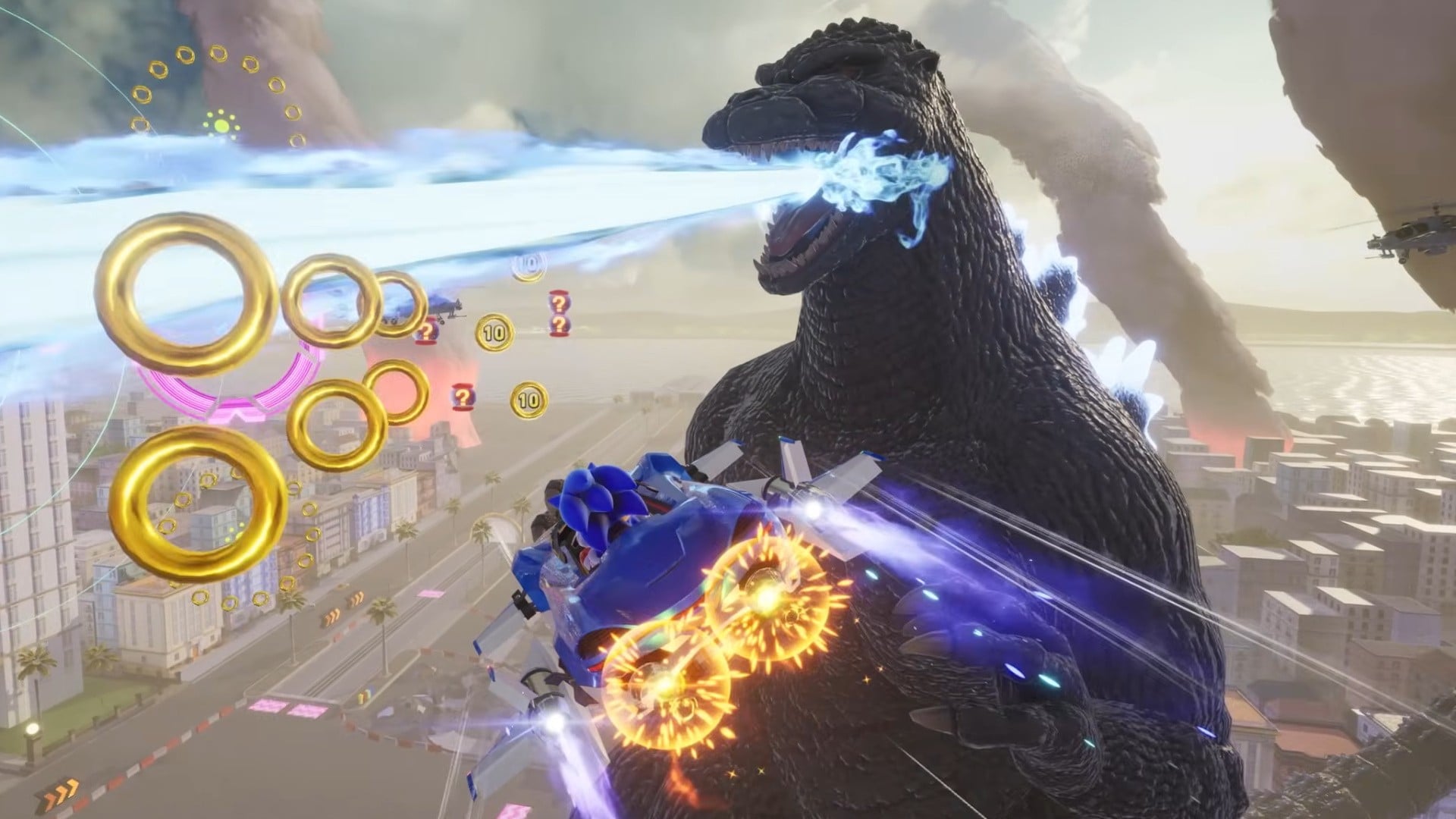
As the development team shifts toward “Year Two,” the strategy evolves from single-franchise additions to massive thematic crossovers. The integration of Godzilla and Evangelion represents a calculated move to capitalize on the “Kaiju” and “Mecha” aesthetics, which typically demand larger-scale environmental design and unique physics assets within the racing engine, as well as more complex rights and approvals from multiple IP holders.
“Players can look forward to exciting new content such as the Godzilla DLC Pack and EVANGELION DLC Pack, featuring intense courses, larger-than-life characters, and more! Season Pass Two will include a total of six new DLC Packs, with more details to be revealed later in 2026.”
By diversifying the roster with these high-value assets, Sega reduces the risk associated with genre fatigue and creates multiple entry points for different consumer segments, effectively turning the game into a rotating digital gallery of licensed content. The approach also reinforces Sega’s position in ongoing industry conversations about ownership and portability of digital purchases: in a live-service environment, access to third-party characters and worlds is contingent not only on user payments but also on the continued health of licensing arrangements, platform compliance, and server support.

Genre Diversification via Sonic Pico Park
Parallel to the expansion of the racing title, Sega is experimenting with cross-platform development and indie-inspired mechanics with the reveal of Sonic Pico Park. This title departs from high-speed action in favor of puzzle-driven, cooperative gameplay, mirroring the tightly coordinated, communication-heavy mechanics of the Pico Park series while testing how far Sonic’s brand equity can stretch into smaller-scale, systems-led experiences.
The strategic implications of Sonic Pico Park include:
- Market Diversification: Expanding the Sonic brand into the puzzle-platformer niche to capture the “co-op” gaming market, including families and younger players who encounter Sonic first via streaming platforms or mobile devices rather than traditional consoles.
- Platform Strategy: Initial confirmation for PC suggests a focus on a flexible environment for community-driven multiplayer growth, mod support, and influencer-led discovery, before any potential migration to consoles or subscription libraries.
- Indie Integration: Adapting the minimalist, high-difficulty cooperation of indie titles into a polished, licensed corporate product, while signaling to investors and policymakers that legacy publishers can coexist with-rather than simply acquire-indie design cultures.
Taken together, this dual approach-scaling a massive, monetization-heavy racer while launching a niche, mechanic-driven puzzle game-demonstrates Sega’s intent to saturate multiple segments of the gaming market simultaneously under a single unified IP umbrella. It also underscores how a three-decade-old character like Sonic is being redeployed as a modular asset across business models that will increasingly sit under the scrutiny of competition authorities, consumer regulators, and digital policy makers as games continue to function less like boxed products and more like long-lived online services.