NEW YORK –
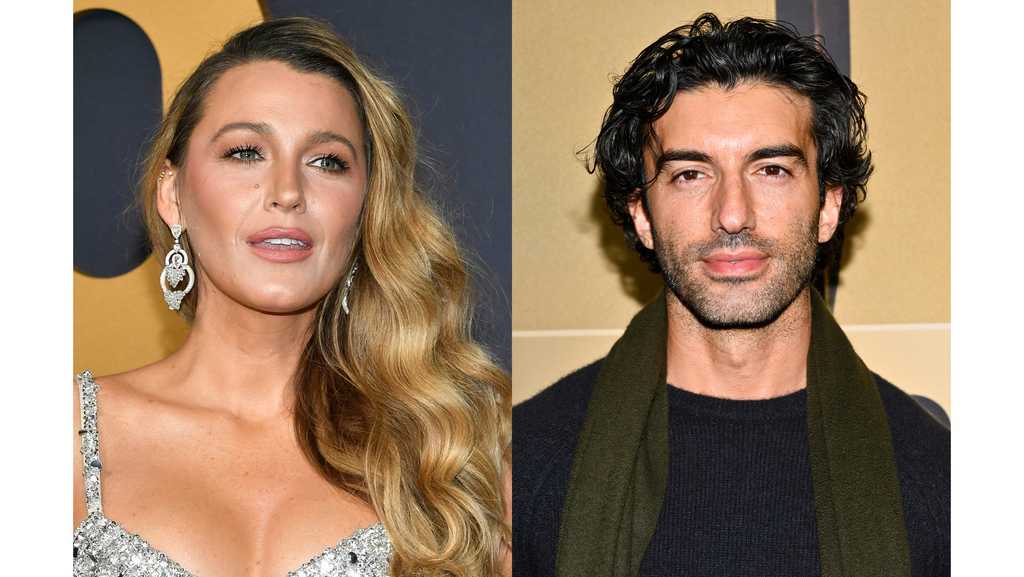
Blake Lively and Justin Baldoni have returned to a New York court to litigate the payment of legal fees and penalties, despite a settlement reached weeks earlier regarding claims stemming from the production of the 2024 film “It Ends With Us.”
The proceedings center on the application of California law regarding the recovery of legal costs after the dismissal of a countersuit, bringing into focus the legal protections afforded to individuals facing protracted litigation following allegations of workplace harassment. The outcome could shape how far those protections extend once underlying claims have been resolved or quietly settled.
Dispute Over Legal Fees and Penalties
Lawyers for Lively are petitioning U.S. District Judge Lewis J. Liman to order Baldoni to pay her legal bills and additional statutory penalties. Michael Gottlieb, counsel for Lively, argues she is entitled to these funds under a California anti-SLAPP-style provision intended to protect survivors of sexual harassment from damaging and prolonged legal disputes, including retaliatory lawsuits brought in response to their complaints. He contends that, because Baldoni’s countersuit was dismissed, Lively qualifies as a prevailing party entitled to recover fees.
That request follows Judge Liman’s decision last year to throw out a countersuit brought by Baldoni, which had alleged that Lively defamed and extorted him after raising concerns about conduct on the set.
Defense attorney Ellyn Garofalo characterized the new motion as an effort to convert a closed case into “an end run” around the trial that was canceled when the two parties reached a broader settlement of remaining claims. Garofalo told the court that the settlement was resolved without Baldoni or his production company “paying a cent of the $300 million in damages she was demanding,” arguing that reopening the fee issue would undermine finality for parties who choose to settle.
“Reopening this for basically what is an alternative trial would involve reopening discovery, new experts, new expert depositions,” Garofalo said, warning that it would effectively restart a case the parties had chosen to end.
Neither actor was present for the hearing, during which Judge Liman heard more than an hour of arguments focused on how California’s fee-shifting rules should operate in a federal case seated in New York and whether those protections survive a negotiated settlement.
Origin of the Production Conflict
The legal dispute began in late 2024 and originated from the filming of “It Ends With Us,” an adaptation of Colleen Hoover’s 2016 novel. Lively alleged that Baldoni, who directed and starred in the film, made inappropriate comments about her appearance and violated physical boundaries during the filming of a love scene. She further alleged that Baldoni pushed for nudity during a childbirth scene against her wishes, raising broader questions about power dynamics and consent on high-profile film sets.
Lively also accused Baldoni and his production company of orchestrating a campaign to damage her public reputation and credibility to prevent her from going public with these complaints, claiming that professional opportunities were threatened as a consequence.
Baldoni denied all allegations of harassment and the existence of a smear campaign. He asserted that the claims were fabricated by Lively as part of an effort to obtain greater creative control of the production and influence how the film portrayed her character. Baldoni subsequently filed a countersuit against Lively and her husband, actor Ryan Reynolds, alleging defamation and extortion in connection with their handling of the dispute.
Employment Status and Settlement Terms
A previous judicial ruling dismissed Lively’s sexual harassment claims on the grounds that she was an independent contractor rather than an employee on the movie set, rendering the claims ineligible for pursuit under federal employment-discrimination statutes such as Title VII of the Civil Rights Act. The decision highlighted a recurring fault line in workplace law: contractors, freelancers and gig workers often fall outside the core protections of those federal regimes, even when they work side by side with covered employees.
The remaining retaliation claim was settled prior to trial. In a joint statement, the parties said that Lively’s concerns “deserved to be heard” and noted they “remain firmly committed to workplaces free of improprieties and unproductive environments.” The settlement left unresolved whether, and to what extent, California’s protective framework for harassment complainants – including its fee-shifting and penalty provisions – can be invoked after the fact in a separate bid for costs.
Beyond the high-profile names, the fee fight is being closely watched by entertainment lawyers and advocacy groups as a test of how far courts will go in discouraging countersuits that critics say can chill harassment reporting in Hollywood and other project-based industries.
Judge Liman has not yet issued a ruling on the request for legal fees, leaving both sides – and a broader community of producers, performers and studios – waiting for guidance on where the boundaries of post-settlement accountability will be drawn.