
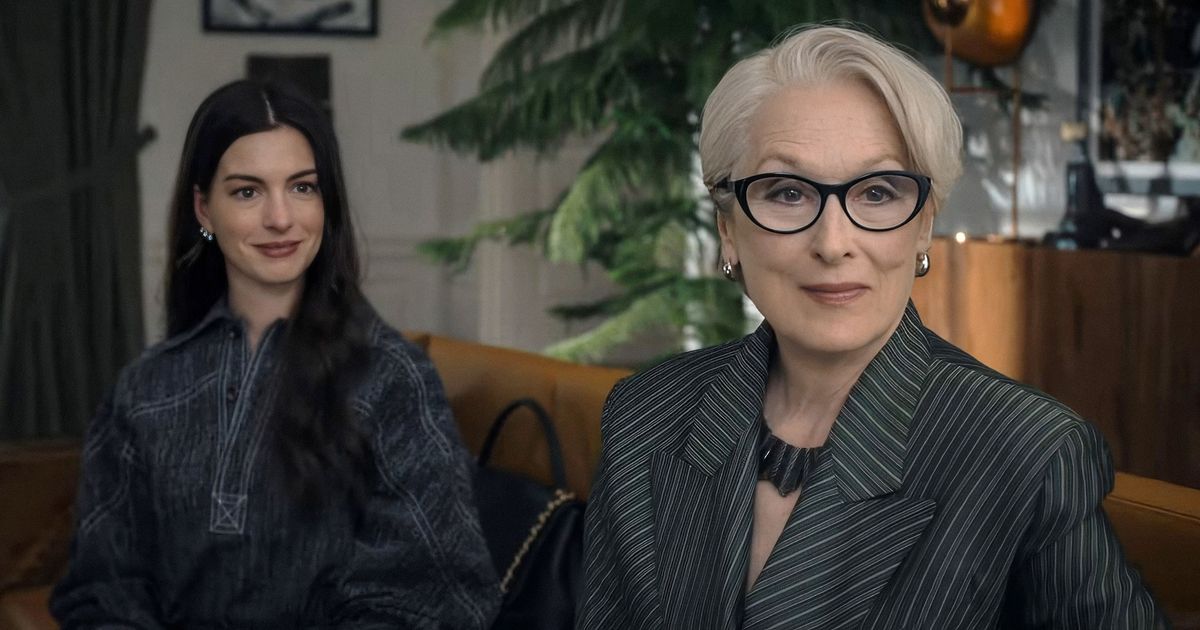
LOS ANGELES – The Devil Wears Prada 2, directed by David Frankel, is positioned for a 2026 release with a narrative focus on the structural consolidation of the global media industry and the resulting impact of financially driven management on institutional quality.
The sequel shifts from the fashion-centric focus of the original to a commentary on the current state of media ownership. However, evidence from promotional materials and production reports indicates that significant portions of the film were removed during the editing process to manage the runtime and balance a high volume of celebrity cameos, softening some of its more explicit corporate-governance critique even as concerns about media concentration remain front-page issues under regimes such as the U.S. antitrust and media-ownership rules.
Photo: Walt Disney Co. / Courtesy Everett Collection
Post-Production Cuts and Cast Reductions
Several high-profile roles and sequences have been excised from the final cut, a choice that narrows the ensemble but also streamlines the film into a more conventional studio release. Conrad Ricamora, cast as the roommate of the character Andy, was removed entirely. According to reports from Variety, the decision was based on concerns that audiences would not understand the narrative necessity of Andy having a roommate, a rationale that underlines how commercial test-screening logic can override character-driven world-building.
Additional deleted content includes a cameo by Sydney Sweeney, which was reportedly filmed in the Dior offices and served as a plot device to reintroduce the character Emily Charlton. The removal of that sequence reduces one of the film’s more overt intersections between luxury branding, legacy magazine culture, and the new ownership structures looming over both.
Discrepancies also exist between the theatrical cut and the film’s marketing. A sequence featuring Andy with an Australian partner outside the Long Island Bar appeared in the trailer and paparazzi footage but did not make the final film, raising familiar questions about how aggressively studios now use promotional material to sell tones, characters, and storylines that ultimately do not survive corporate-level editing decisions.
Supporting Role Utilization
The final edit has also reduced the presence of established actors in supporting roles, trimming some of the narrative threads that more directly engaged with the film’s media-industry backdrop. Kenneth Branagh, who portrays Miranda Priestly’s husband, appears in a limited capacity, with reports suggesting more developed scenes for the character were omitted. Those scenes, according to people familiar with early cuts, would have more explicitly explored the personal consequences of boardroom pressure and shareholder-first strategies on Miranda’s leadership of a legacy magazine brand.
Pauline Chalamet appears in several editorial meeting scenes at Runway magazine, though the character remains largely silent throughout these sequences. Her underwritten presence underscores a broader tension: the film gestures toward the everyday newsroom staff who must implement top-down cost-cutting and consolidation but rarely pauses long enough to give them interiority.
Production sources have also confirmed the existence of additional footage featuring Lady Gaga, though its integration into the final version of the film remains limited. What survives, by these accounts, leans into the spectacle value of star power rather than the sharper commentary on platform-era celebrity and algorithmic audience capture that earlier drafts reportedly attempted to weave into Runway’s corporate storyline-a storyline that echoes live policy debates over how dominant platforms and vertically integrated conglomerates shape which voices reach audiences, from red carpets to federally regulated broadcast outlets.
The film is currently in the final stages of preparation for its 2026 theatrical release. How much of its original critique of ownership, governance, and editorial independence ultimately reaches viewers will now depend less on the scenes that were shot than on the ones a risk-averse industry chose to leave on the cutting-room floor.
Worth a look
- Interactive Storytelling and Immersive Audio: How Next-Gen Gaming Engines Are Transforming Contemporary Television Production
- Independent Cinema’s New Distribution Paradigms: How Direct-to-Consumer Micro-Premiers Are Shifting Box Office Dynamics
- G7 to release up to 100m barrels of emergency oil and diesel reserves (globallypulse.com)
