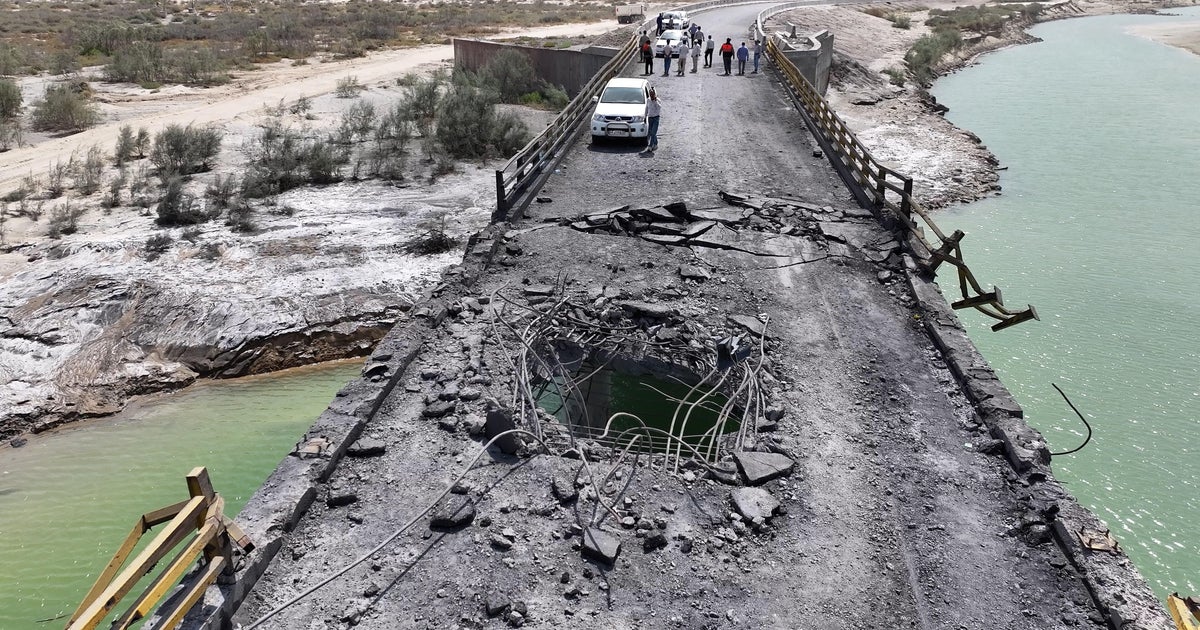
ERBIL – Drone and rocket strikes targeted an Iranian Kurdish armed opposition camp in Iraq’s Kurdistan region on Friday, killing nine members of the exiled Komala Party.
The escalation signals a hardening of Tehran’s posture toward dissident groups operating within Iraqi territory, further complicating the fragile security architecture of a region that serves as a primary friction point between Iranian influence and U.S. strategic interests.
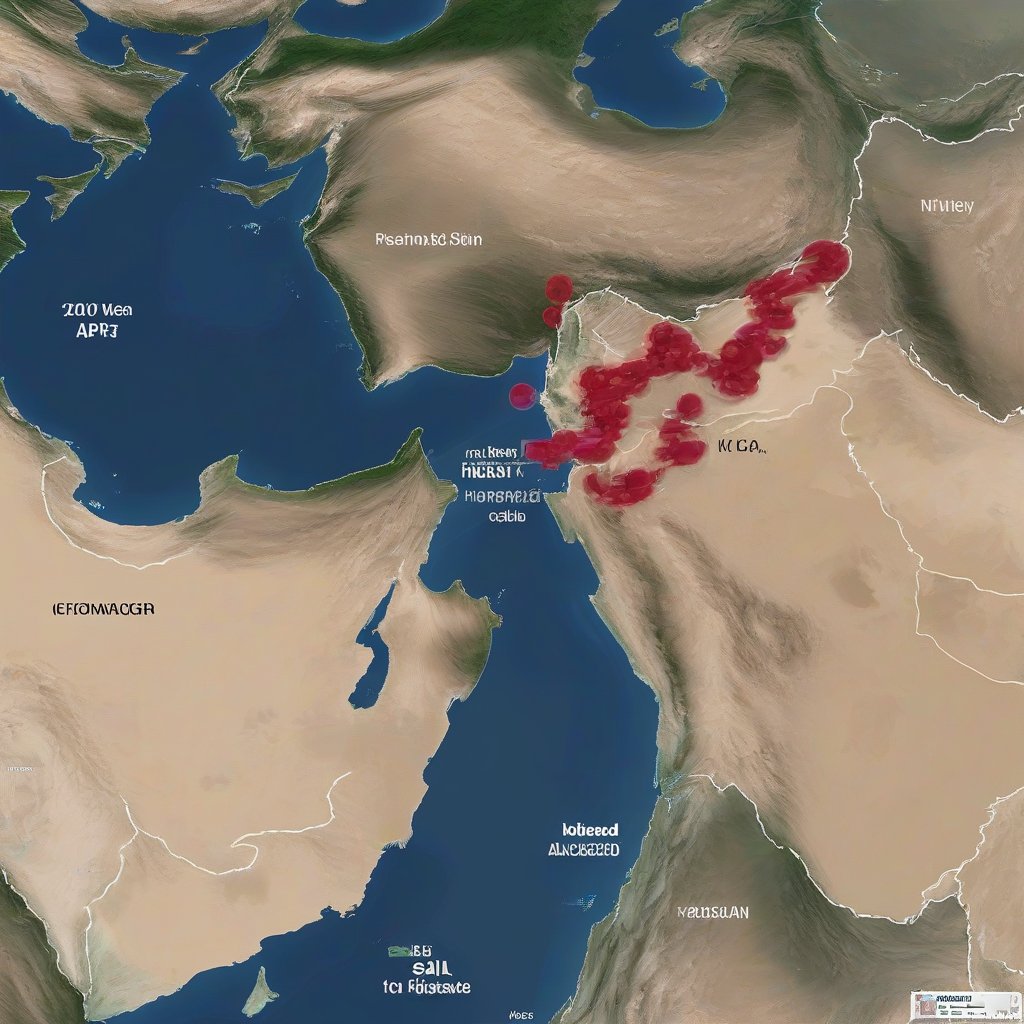
The attacks centered on a camp near the city of Sulaimaniyah, where Idriss Kohlwazi of the Komala Party of Iranian Kurdistan confirmed the death of nine party members. In the regional capital of Erbil, rebels reported shooting down several drones as journalists recorded loud explosions echoing across the city.
Both the exiled party and the Kurdistan Regional Government (KRG) have attributed the strikes to Iran.
Regional Sovereignty and Diplomatic Fallout
The strikes have drawn immediate condemnation from regional partners, highlighting the precarious nature of Iraqi sovereignty under Iraq’s federal constitution, which recognizes the Kurdistan region as a self-governing entity within the Iraqi state while reserving control over borders and airspace to Baghdad under the 2005 Iraqi constitution.
Qatar’s interior ministry issued a formal statement regarding the incident, and regional diplomats said additional démarches were being prepared in Baghdad and Erbil.
“[Qatar] strongly condemns the Iranian attack on Iraq’s Kurdistan region, considering it a blatant violation of the sovereignty of Iraq and Iraqi Kurdistan.”
The Kurdistan region occupies a unique and volatile geopolitical space. As a semi-autonomous entity, it hosts a critical concentration of international assets and personnel, including:
- U.S. military troops and advisors operating as part of the international coalition’s residual mission.
- Major foreign oil and gas infrastructure tied to long-term production-sharing contracts.
- Exiled Iranian Kurdish political and armed opposition groups, whose presence is formally regulated through security arrangements between Erbil and Baghdad.
Tehran has historically viewed the presence of these opposition groups as a direct threat to its national security, frequently accusing them of acting as proxies for Western and Israeli intelligence services. Iranian officials have repeatedly argued that Iraqi authorities are obligated under bilateral security agreements to disarm or relocate such groups away from the border, a point that is likely to feature prominently in any follow‑up talks.
The Pattern of Escalation
While the Kurdistan region has been a recurring target for Iran and pro-Iranian Iraqi militias, Friday’s attack represents a significant shift in intensity and coordination, combining drones and rockets against a single opposition camp close to major population centers.
Following a ceasefire announced in April, Iranian strikes against Kurdish opposition groups had continued, but the scale of the recent operation marks the most severe escalation in recent months and risks normalizing cross‑border action without prior consultation with Iraqi authorities. Iraqi officials have previously warned that such unilateral moves undermine efforts to present a coherent national security policy and weaken Baghdad’s leverage in negotiations with Tehran.
The severity of the threat had already prompted many opposition groups to evacuate their primary bases and camps to avoid similar strikes. Some have moved deeper into Iraqi territory or sought to disperse their cadres into smaller, less visible units, complicating both Iranian targeting and local governance.
The strategic value of these Kurdish fighters has previously been noted by the United States. In early March, during a period of heightened conflict, President Trump commented on the potential for Iranian Kurds based in Iraq to engage in active operations against the regime in Tehran.
“I think it’s wonderful that they would want to do that. I’d be all for it,” Mr. Trump told Reuters.
The incident occurs amidst a broader pattern of Iranian “grey zone” warfare, where drone technology is utilized to project power beyond borders while maintaining a level of plausible deniability, though regional governments are increasingly explicit in their attribution. The use of drones also allows Iran to test air‑defense responses and political red lines at relatively low cost, blurring the line between conventional attack and covert action.
The Komala Party remains one of the primary organized opposition forces seeking autonomy or regime change in Iran’s Kurdish provinces. Its leadership has long argued that bases in northern Iraq are political and logistical hubs rather than launchpads for large‑scale armed incursions, a claim rejected by Tehran.
Currently, the KRG continues to coordinate with Baghdad to address the repeated violations of Iraqi airspace and to clarify responsibilities under existing security arrangements with neighboring states. However, officials and diplomats say that without a more explicit, enforceable framework on cross‑border operations-akin to the mechanisms that govern other contested frontiers in the region, such as those monitored under the UN Security Council’s cross‑border mandates-both Erbil and Baghdad will struggle to deter further unilateral strikes or reassure foreign partners operating in the Kurdistan region.