The Invisible Erosion of Metabolic Capacity
The traditional clinical definition of health often relies on the absence of disease-stable blood pressure, normal fasting glucose, and a lack of acute symptoms. However, new research suggests a critical gap exists between feeling healthy and possessing cellular resilience. Evidence indicates that individuals who are seemingly healthy but remain sedentary experience a coordinated decline in mitochondrial function, creating a physiological vulnerability long before the onset of clinical pathology.
“Mitochondrial function is the center of metabolic health,” said Iñigo San Millan, adjoint assistant professor in the Division of Endocrinology, Metabolism and Diabetes at CU Anschutz. “If you are 40, healthy, and sedentary, it is likely that you already have something going on inside your cells that will likely come back to haunt you in 10 or 15 years.”
This cellular deterioration represents a shift in how the body manages energy. Mitochondria, the organelles responsible for generating adenosine triphosphate (ATP), are essential for maintaining systemic homeostasis. When these “powerhouses” lose efficiency, the body’s ability to toggle between different fuel sources-a state known as metabolic flexibility-is compromised, potentially accelerating the trajectory toward chronic illness.
Cellular Architecture and Fuel Processing
The ability to efficiently burn both glucose and lipids is a hallmark of metabolic health. In sedentary individuals, this process is hindered by a significant reduction in the proteins and enzymes required to transport fuel into the mitochondria. Specifically, the research identified a deficit in the MPC1 protein, which is responsible for moving sugar byproducts into the mitochondria for energy production.
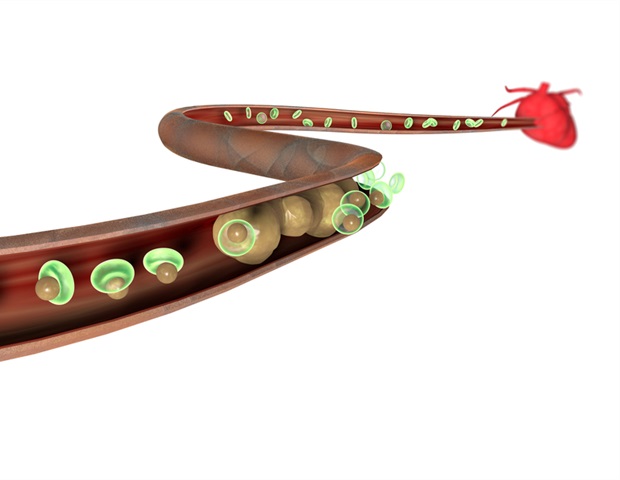
This disruption creates a “cellular traffic jam.” When the transport mechanisms for sugar and fat are impaired, the cells cannot meet energy demands efficiently, regardless of whether the individual appears fit or healthy by standard biometric measures. This decline suggests that the cellular identity of a person shifts from a state of health toward a state of disease well before a physician can detect an illness through routine screening.
“Being sedentary will progressively erode metabolic health. When you stop moving, you lose that cellular identity of being healthy, and your body begins moving toward disease,” San Millan said.
Quantifying the Cost of Inactivity
The impact of a sedentary lifestyle on cellular energy production is measurable and significant. In a study of men approximately 42 years old, those who failed to meet global physical activity guidelines showed profound deficits in biological markers compared to their active counterparts.
| Biological Marker | Sedentary Group Impact |
|---|---|
| Mitochondrial Efficiency | 28% to 36% decrease across categories |
| MPC1 Protein (Sugar Transport) | 49% lower |
| CPT1 Enzyme (Fat Transport) | Approximately 50% lower activity |
| Maximal Oxygen Use (VO2 max) | 38% lower |
| Blood Lactate Accumulation | 60% higher during exertion |
Systemic Implications for Public Health
From a public health perspective, these findings underscore a need to shift from reactive treatment to early metabolic intervention. The erosion of mitochondrial function is closely linked to the development of insulin resistance, which serves as a primary driver for type 2 diabetes, cardiovascular disease, and neurodegenerative conditions such as Alzheimer’s.
That shift has policy consequences. In many high‑income countries, including the United States, national health strategies and reimbursement rules are still largely organized around diagnosing and treating established disease rather than preserving metabolic capacity in midlife. Yet frameworks such as the U.S. Centers for Disease Control and Prevention’s chronic disease prevention guidance give governments and insurers scope to prioritize earlier, lifestyle‑based interventions targeting physical inactivity.
The economic burden of these chronic diseases on healthcare infrastructure is immense, often stemming from a failure to identify metabolic decline in middle age. By the time these conditions manifest as clinical diagnoses, the cellular damage is often advanced. Moving toward a model of “preventative screening”-informed by metabolic metrics rather than waiting for organ damage-could reduce the long-term strain on healthcare systems by identifying at-risk individuals while they are still nominally healthy. For health ministries, regulators and payers, that raises concrete questions about what should be covered as standard preventive care and how to integrate metabolic fitness indicators into existing screening schedules.
Identifying these deficits requires moving beyond basic blood panels. The research emphasizes that metabolic decline can be detected through specific, non-invasive diagnostics that measure how the body responds to exertion, rather than relying solely on resting laboratory values.
“This cellular decline is something we can actually test for in a non-invasive way, through cardiopulmonary exercise testing and lactate testing,” San Millan said. “And if we catch it early, we can prescribe targeted exercise programs designed to restore mitochondrial health and potentially prevent future disease.”
For policymakers, the question is now less whether sedentary lifestyles erode metabolic capacity and more how quickly clinical guidelines, workplace standards and insurance benefits can be updated to reflect that erosion long before it appears in a routine check-up.