
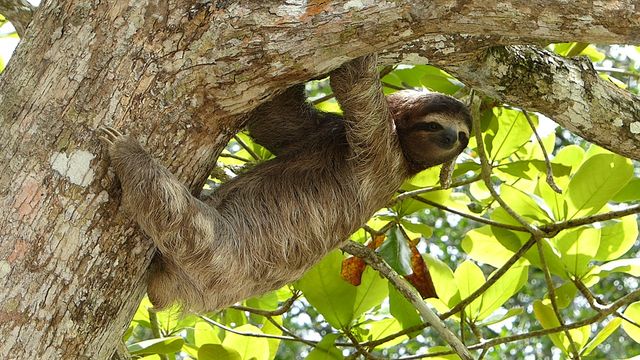
The Genomic Architecture of Metabolic Suppression
The biological mystery of the two-toed sloth-characterized by an energy expenditure profile far below the mammalian average-has moved from observational zoology into the realm of high-resolution genomics. By sequencing the full genome of the species, researchers have identified the molecular drivers that allow these mammals to maintain homeostasis despite a metabolic rate often less than half of what is typically expected for their body mass.
The process relied on comparative genomics, a bio-informatic approach that aligns the genetic “instruction manuals” of different species to isolate unique mutations and conserved sequences. By contrasting the sloth’s DNA with that of other members of the Xenarthra clade, such as armadillos and anteaters, scientists can pinpoint the exact evolutionary divergences that occurred over the last 65.5 million years. These findings build on decades of field observations that placed sloths at the extreme end of mammalian energy conservation, with adaptations that allow them to occupy narrow ecological niches in the tropical canopies of Central and South America.
This analysis reveals a sophisticated system of energy conservation. Sloths are capable of alternating between endothermic self-regulation and heterothermic fluctuations, where their body temperature can shift by as much as 5°C to mirror the environment, reducing the caloric cost of thermoregulation. That flexibility, now traceable to specific genomic signatures, offers a rare natural experiment in how mammals can dial down metabolism without immediate collapse of organ function or immune defenses.
Transposable Elements and Mitochondrial Influence
A critical discovery in the sloth genome is the prevalence of active transposable elements, frequently termed “jumping genes.” These DNA sequences possess the ability to copy and paste themselves across different positions within the genome, creating structural rearrangements that drive evolutionary adaptation and, in many species, genomic risk.
While these elements are largely fragmented and dormant in humans, they remain active and conserved in sloths, having emerged in a common ancestor approximately 30 million years ago. The positioning of these transposons is not random; they are heavily linked to the mitochondria-the cellular organelles responsible for ATP production-and associated metabolic pathways. In effect, parts of the sloth genome appear to have been repeatedly rewritten around the machinery that controls how much energy a cell produces and how quickly it uses it.
The interaction between these jumping genes and mitochondrial function is detailed below:
| Genomic Feature | Function in Sloths | Impact on Biology |
|---|---|---|
| Active Transposons | Genomic rearrangement and sequence expansion | Drives specialized evolutionary adaptations while maintaining genomic stability |
| Mitochondrial Linkage | Regulation of energy production pathways | Enables extreme metabolic suppression and flexible thermal responses |
| Conserved Sequences | Maintenance of trait stability over 30M years | Ensures survival in low-energy jungle niches despite environmental variability |
For regulators and research ethics boards, the prominence of active transposable elements is more than a scientific curiosity. Any effort to translate these mechanisms into gene-based interventions for humans would fall squarely under emerging rules for advanced genomic manipulation, including oversight frameworks such as those developed by the World Health Organization for human genome editing. The sloth genome is therefore likely to become a reference point not only for basic science but also for how international and national bodies define the boundaries of acceptable metabolic engineering.
From Evolutionary Mapping to Medical Modeling
The transition from genome sequencing to functional validation marks the next phase of this research. By utilizing single-cell sequencing and lab-grown cell lines, researchers aim to observe how these sloth-specific genes operate in real-time. This move from “blueprint” to “behavior” is essential for understanding how genomic instability-which often leads to cancer in humans-can be harnessed by other species for survival.
The implications extend beyond wildlife biology into human translational medicine. Because the sloth’s genome provides a natural model for extreme metabolic efficiency and slowed biological pacing, it offers a unique lens through which to study human pathologies. Specifically, these genetic pathways may provide insights into:
- Age-related decay: Understanding how reduced metabolic turnover impacts cellular aging and senescence, and whether similar pathways could safely be modulated in humans.
- Metabolic disorders: Identifying novel targets for treating conditions where energy regulation is compromised, from obesity and type 2 diabetes to rare mitochondrial diseases.
- Mitochondrial dysfunction: Exploring how “jumping genes” can modify energy output without triggering systemic failure, potentially informing future drug design and cell therapies.
As national research agencies and health ministries consider funding priorities for longevity and chronic disease, the sloth genome is emerging as an unlikely but powerful case study. The integration of comparative genomics allows scientists to treat the sloth genome as a biological benchmark, potentially unlocking new methodologies for managing metabolic health and lifespan in other mammalian species. The policy challenge will be to channel this knowledge into regulated clinical research and conservation strategies, rather than untested commercial biohacking, ensuring that a creature built to live slowly does not become a fast track for ungoverned genetic experimentation.
