
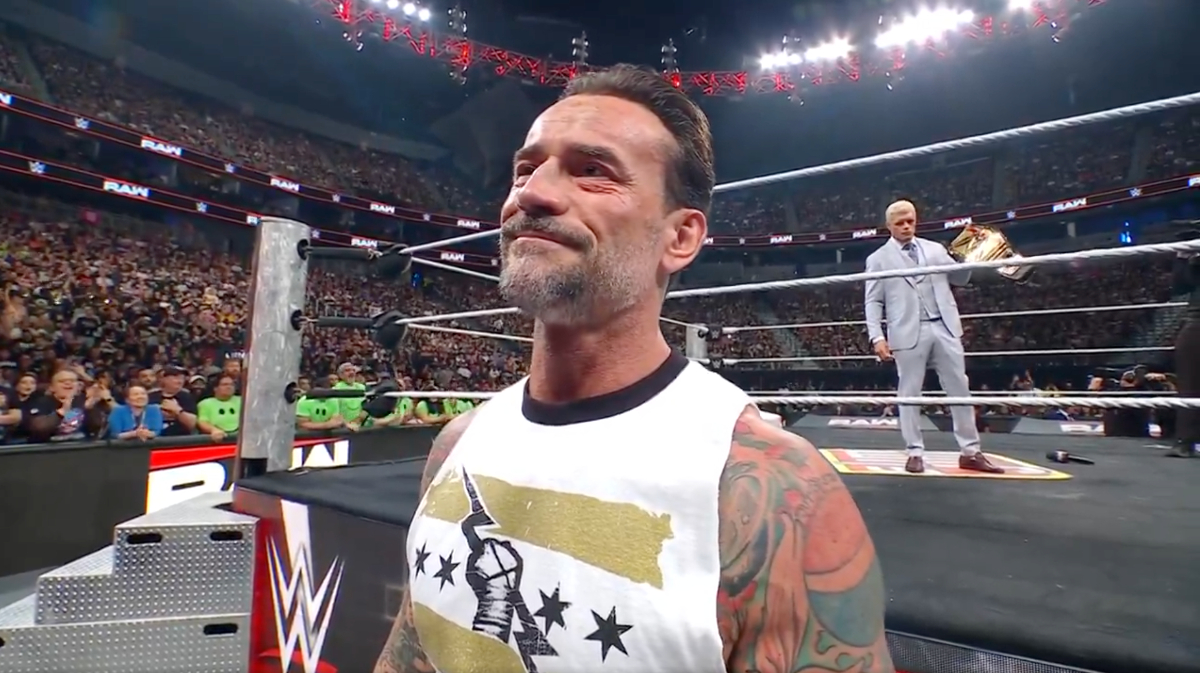
NEW YORK – CM Punk is currently absent from World Wrestling Entertainment (WWE) programming amid unsubstantiated reports suggesting a contractual dispute with parent company TKO Group Holdings.
The reports, while unverified, highlight the operational complexities of talent relations within TKO’s sports and entertainment portfolio. Disputes involving high-profile contracts and executive governance can impact television production schedules and broader audience reach for the organization, particularly as TKO navigates disclosure obligations as a publicly traded company under the U.S. securities-law framework.
Allegations of Contractual Friction
The current speculation originates from an account on X, JCup2013, which claims that the talent’s absence is linked to a conflict with TKO executives following the WrestleMania event. The account is not affiliated with WWE, TKO Group Holdings, or CM Punk, and its claims have not been corroborated by on-the-record sources.
According to the account:
“I’ve spoken to roughly 5-8 people over the past several weeks, and all of them have heard a story about Punk politicking for something related to WrestleMania. I’ve heard whispers about what exactly he was politicking for, but I’ve been flat-out muzzled by multiple people. I think there’s a strong likelihood of it being revealed (sooner rather than later, too), so don’t get too upset.”
The reports suggest that internal friction developed after the talent attempted to negotiate specific terms or positions regarding the company’s premier annual event. In major live-event businesses, such negotiations can involve creative direction, match placement on the card, or promotional commitments – all of which carry commercial implications for broadcast partners and streaming platforms such as Peacock.
Financial Disputes and Legal Positioning
The reports further allege that the disagreement escalated into a financial dispute, with claims that the talent was asked to accept a reduction in compensation. No documentation or direct confirmation has been made available to substantiate those claims.
The X account stated:
“Punk’s alleged attempt at politicking quickly spread amongst the roster, and he allegedly gained massive heat from WWE/TKO execs. Well, what happened almost immediately after ‘Mania? Punk gets into it with a fan, sure, but I’m asking about the big picture here. What could’ve made Punk even angrier than not getting what he wanted? Some have told me he was allegedly asked to take – and declined – a significant pay cut. It’s been suggested to me that Punk is so angry that he allegedly may be threatening legal action against TKO to secure a release, though someone else threw a little bit of cold water on that specific point.”
Within the structure of TKO Group Holdings, talent contracts are typically governed by strict exclusivity and performance clauses, as well as detailed morality and disciplinary provisions. A request for release based on a contractual dispute would typically involve legal review of the “termination for cause,” “termination without cause,” or “mutual release” language in the agreement, and could intersect with broader corporate policies on workplace conduct and fiduciary duties to shareholders.
Any move toward litigation would likely test the balance of power between individual talent and a consolidated combat-sports and sports-entertainment entity that also manages Ultimate Fighting Championship. It could also raise questions about how aggressively publicly listed leagues and promotions may enforce non-compete language and intellectual property control over performers’ in-ring personas, an issue that has drawn periodic scrutiny from antitrust scholars and labor advocates.
Industry and Governance Context
High-profile talent disputes in wrestling and combat sports can ripple beyond the ring. Contract impasses can affect live event ticket sales, streaming engagement, and the valuation of long-term media-rights agreements, areas closely watched by regulators, institutional investors, and exchange operators. As with other major U.S. sports properties, any material change in TKO’s talent roster or legal exposure could, in theory, trigger disclosure decisions under securities regulation, even if individual contractual disagreements are often handled privately.
At the same time, U.S. labor and employment norms treat most top-tier performers in this sector as independent contractors, not employees – a classification that shapes bargaining leverage, access to union-style collective representation, and the legal remedies available in the event of a dispute. While there is no indication that regulators are currently weighing in on this specific situation, the underlying structure of how talent is engaged remains a recurring flashpoint in debates over athlete rights and worker protections in entertainment.
Current Status and Official Silence
Current status: Reports remain unsubstantiated; talent is absent from programming; no official statement has been issued by WWE or TKO Group Holdings regarding contractual status. As of publication, representatives for CM Punk, WWE, and TKO Group Holdings had not responded to requests for comment from GlobalHeadlinez, and no filings or announcements have been made that would formally confirm any contractual change.
For now, the story remains one of speculation amplified on social media rather than a documented contractual rupture. Until a party with direct knowledge addresses the matter on the record, CM Punk’s absence underscores both the opacity of top-tier talent agreements and the heightened scrutiny that surrounds them in an era of 24/7 fan commentary and market-facing corporate governance.
Related reading
- Interactive Storytelling and Immersive Audio: How Next-Gen Gaming Engines Are Transforming Contemporary Television Production
- Independent Cinema’s New Distribution Paradigms: How Direct-to-Consumer Micro-Premiers Are Shifting Box Office Dynamics
- Kennedy Center Closes Amid Financial Crisis and Trump Name Dispute (archyde.com)
