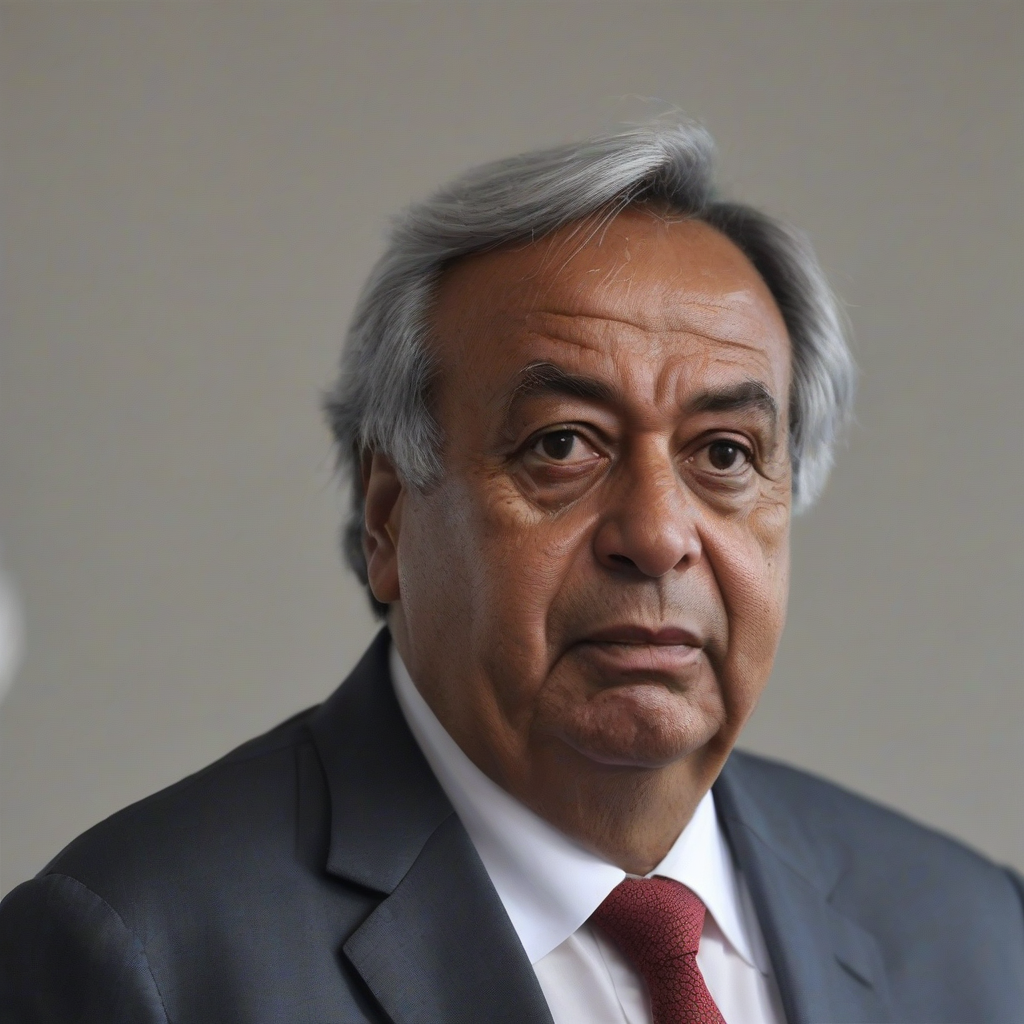
DILI – Francisco Guterres, a former president of East Timor and a central figure in the nation’s struggle for sovereignty, died June 21 at the Prince Court Medical Centre in Kuala Lumpur, Malaysia. He was 71.
Guterres, widely recognized by his nom de guerre “Lu Olo,” had been in intensive care prior to his death, according to a statement posted to the former president’s official Facebook account by his family. The cause of death was not immediately disclosed.
A veteran of the armed and political resistance, Guterres served as president from 2017 to 2022. His career spanned the entirety of East Timor’s transition from a Portuguese colony and an occupied territory to the youngest nation in Southeast Asia.
Resistance and the Path to Sovereignty
Born Sept. 7, 1954, in Ossu, located in the Viqueque District of what was then Portuguese Timor, Guterres rose to prominence during the Indonesian occupation that lasted from 1975 to 1999.
He became a senior leader within Fretilin (Revolutionary Front for an Independent East Timor), the political organization that spearheaded the resistance. Throughout the occupation, Guterres operated within the movement’s leadership to coordinate the struggle for self-determination.
His role became critical following the 1999 United Nations-backed referendum, in which the population voted overwhelmingly for independence from Indonesia. Guterres was instrumental in managing the subsequent transition to full sovereignty, helping to shepherd the territory toward the restoration of independence in 2002 under a United Nations administration.
Architect of the East Timorese State
Following the referendum, Guterres transitioned from resistance leadership to state-building, holding several of the country’s most senior foundational roles:
- 2001: Served as president of the Constituent Assembly, where he oversaw the drafting of the nation’s constitution, later adopted as the Constitution of the Democratic Republic of Timor-Leste.
- 2002: Became the first speaker of the National Parliament upon the formal declaration of independence.
- 2017-2022: Served a single term as President of the Republic.
As head of state, Guterres presided over a semi-presidential system in which the president shares executive responsibilities with the prime minister and has powers that include appointing governments, vetoing legislation and calling early elections. His tenure was marked by periods of cohabitation with rival political forces, testing the resilience of the country’s young institutions and its constitutional balance of power.
Guterres’ presidency concluded in 2022 after he lost a reelection bid to Jose Ramos-Horta, a fellow independence fighter and Nobel Peace Prize laureate.
International and Political Tributes
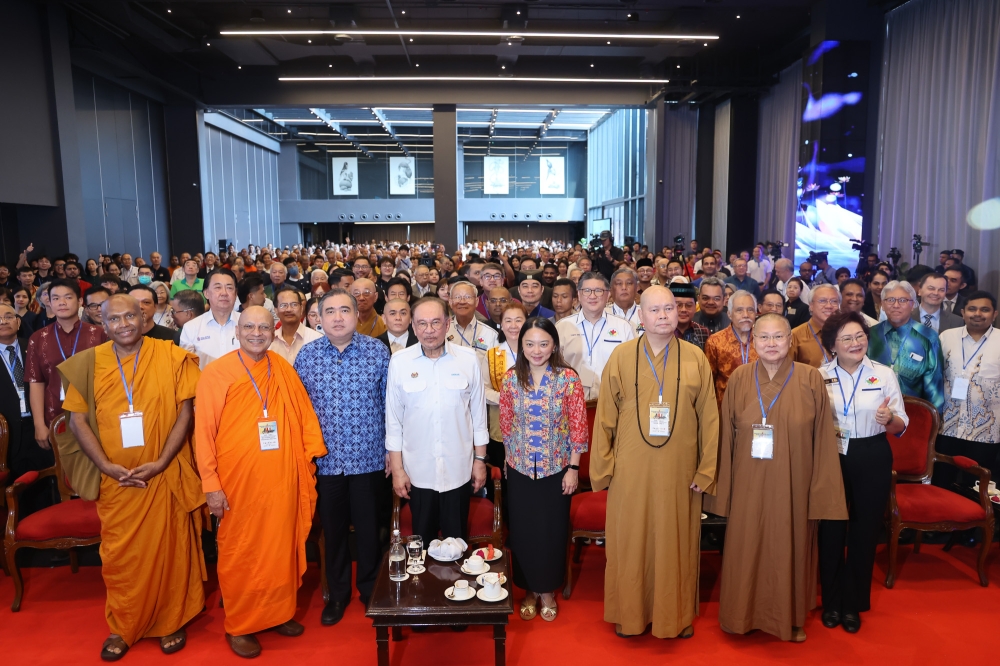
Malaysian Prime Minister Anwar Ibrahim issued a message of condolences to the family and the people of East Timor, also known as Timor Leste, noting the regional significance of Guterres’ leadership for a small state navigating relations with larger neighbors and international partners.
“Throughout his life, he remained committed to the freedom of his people and the building of a democratic nation,”
Ibrahim stated.
Fretilin, the party Guterres led for many years, described his passing as a “profound loss” for those dedicated to a free, democratic, and sovereign country. The party cited his dedication to national unity, political stability, and dialogue as the defining characteristics of his public career, underscoring his readiness to negotiate coalition arrangements and institutional compromises in moments of political deadlock.
Guterres is survived by his wife, Cidalia Lopes Nobre Mouzinho Guterres, and their children. Funeral arrangements are expected to be announced later, with officials in Dili signaling that state honors will reflect his role in shaping the institutions of modern Timor-Leste.