
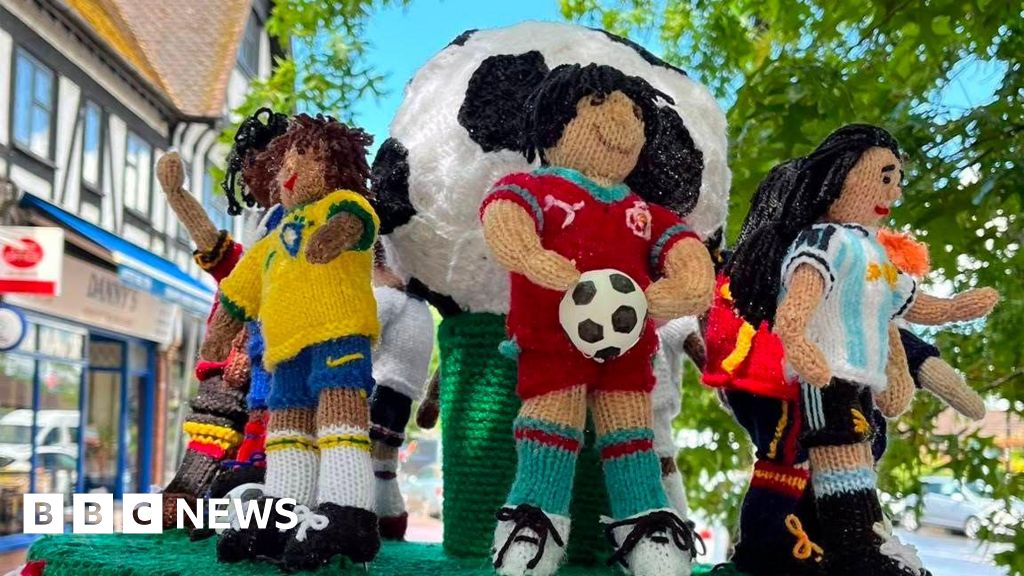
World Cup Fever Manifests in UK Public Infrastructure
The anticipation surrounding the FIFA World Cup frequently extends beyond the confines of the stadium, permeating the daily environments of host and participating nations. In a visible display of national sporting sentiment, public post boxes across the United Kingdom have been decorated to commemorate the tournament, turning routine encounters with state infrastructure into daily reminders of a global event.
Cultural Integration of Global Tournaments
The conversion of utilitarian infrastructure into sporting tributes reflects the deep integration of football within the British cultural fabric. By kitting out Royal Mail post boxes with World Cup themes, the environment transforms into a public gallery of support, signaling the start of the tournament’s peak social impact.
This is more than an aesthetic exercise. In the UK, the use of national symbols and public assets is ultimately bounded by government and parliamentary oversight, including communications standards and sponsorship rules set out by bodies such as the Department for Digital, Culture, Media & Sport. The decision to allow sporting iconography on nationally recognised infrastructure sits within that framework, illustrating how soft-power priorities and cultural policy intersect with everyday services.
Such displays serve as a psychological marker for the public and the athletes alike. For national teams, the visibility of widespread support in their home territories can influence the expectations placed upon players during the competition, reinforcing a sense of playing not only for the shirt but for institutions and services that ordinarily feel distant from elite sport.
The Commercial and Social Reach of FIFA Events
The scale of the World Cup allows FIFA to generate engagement that transcends the matchday experience. When public utilities and national symbols are utilised to promote the event, it underscores the tournament’s role as a primary driver of national identity and collective focus, and highlights the willingness of public and private operators to align around a short, intense global calendar.
At the same time, these activations operate within a tightly controlled commercial rights regime overseen by FIFA’s own regulatory framework for branding, sponsorship and protected tournament marks, set out in its official legal and governance documentation. Local adaptations, such as decorated post boxes, are typically negotiated to respect those protections while giving governments and service providers scope to craft their own expressions of support.
This phenomenon is not limited to the pitch but manifests through:
- The adaptation of urban landscapes to reflect team colours, from public buildings to transport hubs.
- Increased commercial activity surrounding tournament-themed merchandise, hospitality and advertising campaigns.
- The alignment of public services and civic programming with global sporting calendars, including fan zones, viewing areas and transport planning.
Impact on National Sentiment
The decoration of these post boxes functions as a grassroots-facing expression of optimism, even when orchestrated from the top down. In the context of international sports, such gestures often precede the official kick-off, building momentum that affects fan engagement, media narratives and, by extension, the political conversation around national performance and investment in sport.
As the tournament progresses, these physical markers remain as constants in the urban landscape, mirroring the trajectory of the competing nations’ fortunes. In victory, they can become celebratory touchpoints; in defeat, they stand as quieter symbols of shared experience. For policymakers and institutions, the episode offers a revealing case study in how global events can be woven into the fabric of public life without fundamentally altering the function of the services on which citizens rely every day.
Keep reading
