
Nike to End Adidas’ 26-Year Reign as Champions League Ball Provider
Nike has entered exclusive negotiations with UEFA to become the official match ball provider for the 2027-2031 cycle, marking a significant shift in the commercial identity of Europe’s elite club competitions.
The US-based sportswear group secured the position after outbidding incumbent supplier Adidas and challenger Puma. Nike’s offer reportedly doubles the current annual fee, bringing the payment to approximately $45 million per year and underlining how central match ball visibility has become to the tournament’s global commercial ecosystem.
The End of the Star Ball Era
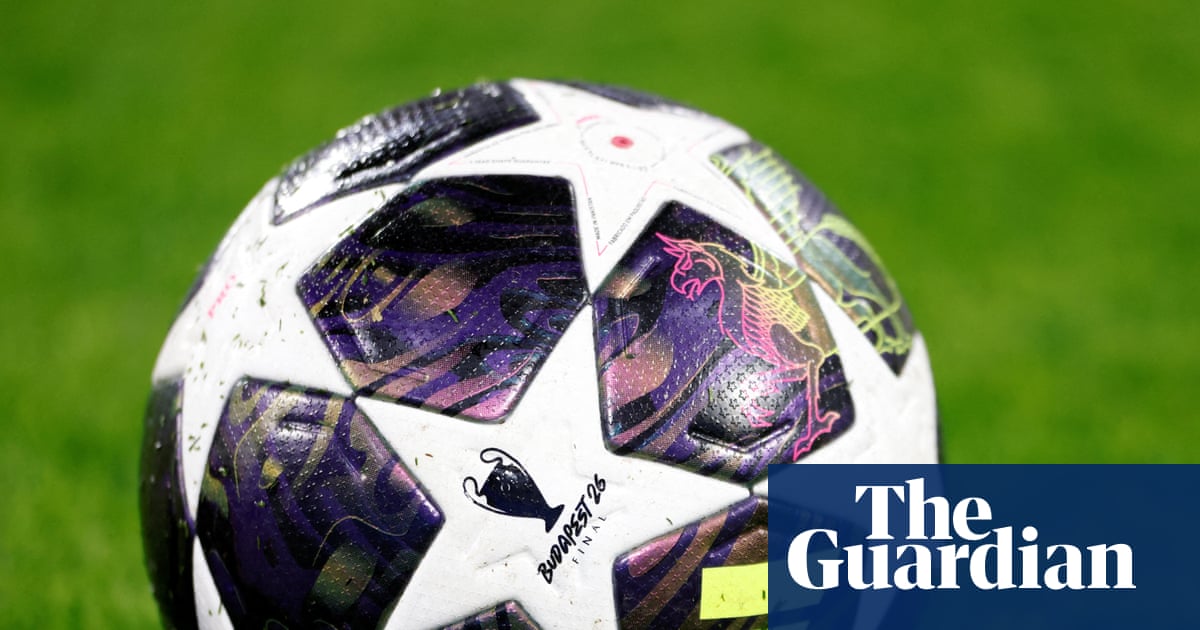
The transition represents more than a change in sponsorship; it signals the end of one of football’s most recognizable visual trademarks. Adidas has held the Champions League contract since 2001, introducing the “Finale” ball featuring the star design that mimics the competition’s logo and has become synonymous with midweek European fixtures for a generation of fans and broadcasters.
Because Adidas is understood to retain the rights to the star design, the iconic aesthetic will vanish from the competition following the 2027 final. That match is scheduled for June 5, 2027, at Madrid’s Estadio Metropolitano, making it the last showpiece to feature the current visual language before Nike’s redesign takes effect the following season.
Nike previously served as the match ball supplier between 1997 and 2001, a period characterized by simpler designs that featured the company’s swoosh. The brand’s return comes at a moment when UEFA is reshaping the Champions League format and commercial structure, giving Nike a rare opportunity to influence how the reconfigured competition is experienced on screen and in stadiums.
Moving forward, Nike will collaborate with UC3-the joint venture between UEFA and the leading clubs managing the competition-to develop a new visual identity for the ball. That work will sit within the broader framework of UEFA’s club competitions regulations and the centralised marketing and licensing rules set out in its Champions League regulations, which define how commercial assets can be used across venues, broadcasts and digital platforms.
Expanded Contractual Scope
In a strategic move to streamline commercial assets, the tender for the match ball was bundled for the first time. Nike has won the rights to provide the official balls for three separate competitions:
- UEFA Champions League
- UEFA Europa League
- UEFA Conference League
This consolidation displaces French retailer Decathlon, which currently supplies the Europa League and Conference League balls under the Kipsta brand. It also aligns the visual identity of UEFA’s club tournaments under a single technical partner at the very moment the competitions are being expanded and reformatted, simplifying contractual oversight for UEFA and its clubs.
Industry executives say bundling the rights is designed to make inventory more attractive to a single global supplier, while reducing fragmentation in areas such as quality control, sustainability standards and supply logistics for match operations across 55 national associations.
Broader Commercial Restructuring
The match ball deal is part of a wider overhaul of UEFA’s commercial rights for 2027-2033, managed by Relevent Football Partners. Owned by Miami Dolphins owner Stephen Ross, Relevent has replaced the longstanding partner, Team, and has implemented several high-impact changes to the competition’s revenue streams under a new central marketing mandate.
One of the most notable shifts is the termination of a 35-year partnership with Heineken, which began at the Champions League’s inception in 1992. The global beer partner package has been sold to AB InBev, the brewers of Budweiser and Michelob, reflecting a broader recalibration of category exclusivity and regional sponsorship rights as UEFA seeks to maximise long-term guaranteed income.
Relevent has also overseen a surge in broadcasting revenue, securing increases of over 20% in the five largest European markets. This process has seen Paramount acquire the majority of Champions League rights in Germany and the UK for the 2027-2031 period, signalling a shift in the balance of power between traditional European broadcasters and US-backed streaming platforms.
In the United States, the rights for UEFA club competitions remain with CBS Sports/Paramount until 2030. For policymakers and regulators monitoring media concentration and cross-border sports rights in Europe, the combination of higher fees, bundled properties and longer contract cycles underscores how decisions taken in UEFA’s commercial tenders now have material implications for competition in domestic broadcast markets, consumer pricing and access to live sport.
Related reading
