
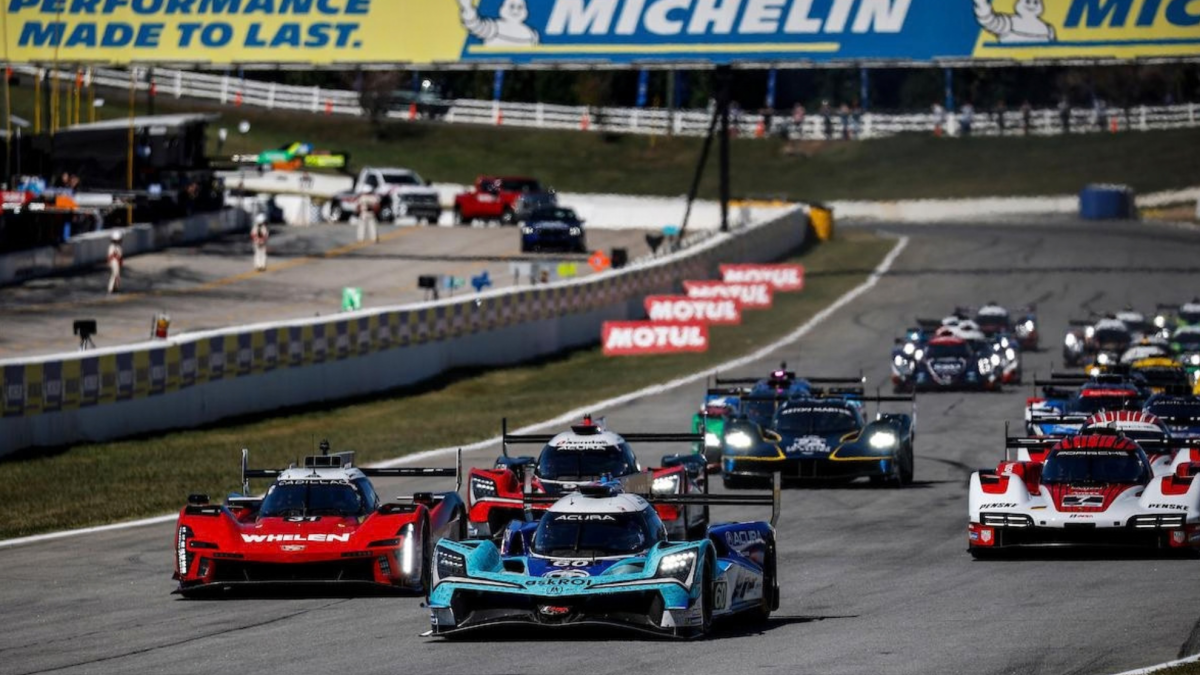
At Michelin Raceway Road Atlanta, the Motul Petit Le Mans puts some of the fastest and most technologically advanced racing machines in the United States through a 10-hour endurance test. But at the Brembo stand, another side of motorsport technology comes into focus: racing is not only about developing performance to win trophies. It also operates as a rolling laboratory for the cars people drive every day.
Braking: the invisible performance frontier
When spectators follow an endurance race, their attention is usually drawn to acceleration, top speed and bold overtakes. Yet the decisive moments at Road Atlanta are just as often created by what happens under braking. Going fast only matters if a car can slow down – precisely, repeatedly and consistently – at the end of every straight and on worn tires, in traffic and under pressure.
During an event such as Motul Petit Le Mans, where cars are on track for 10 hours, braking systems must withstand enormous amounts of heat, mechanical stress and repeated use. That duty cycle is far more extreme than anything a road car will experience, which is why manufacturers treat races like these as stress tests for future technology.
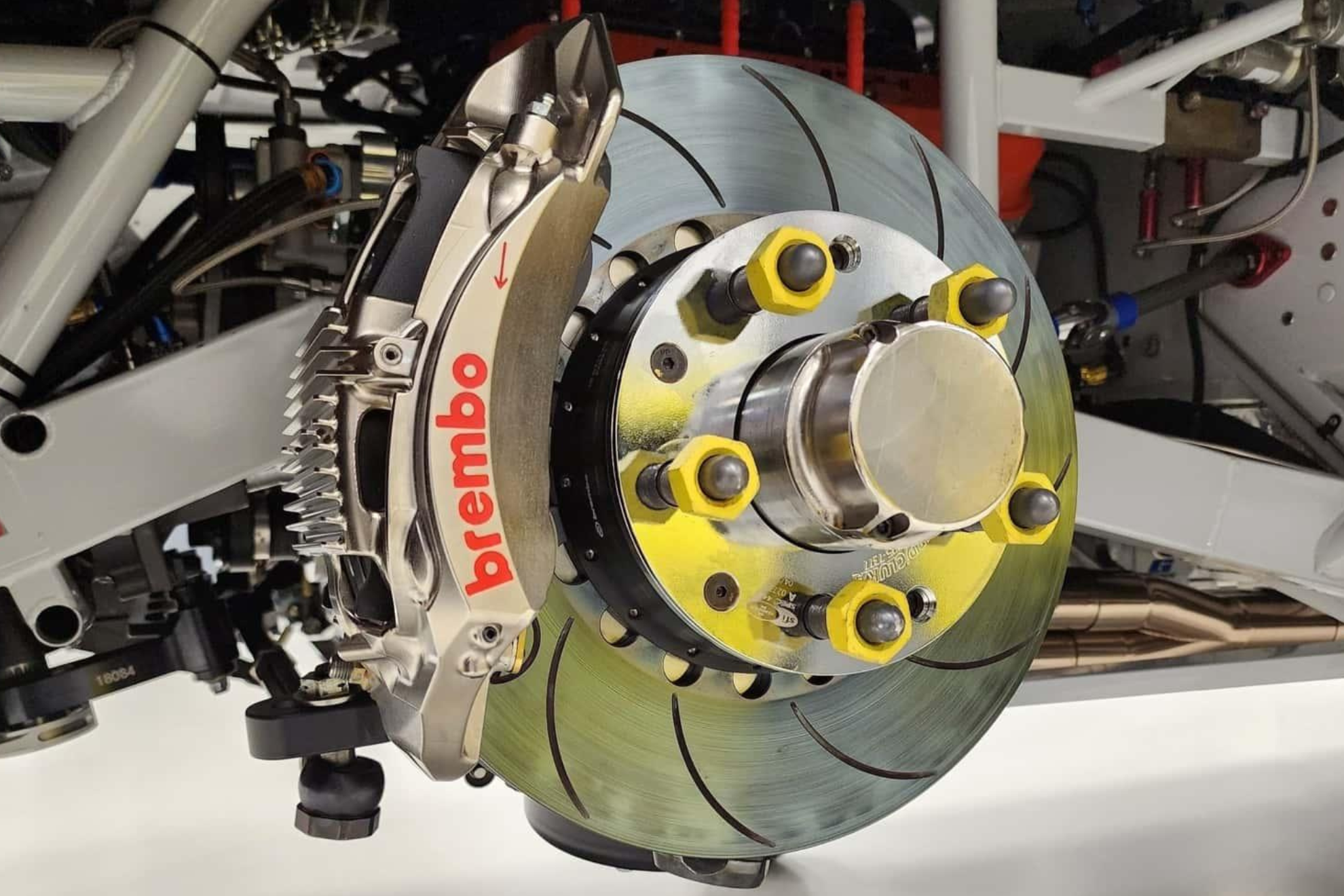
Endurance racing puts braking systems through hours of extreme heat, stress and repeated use, providing engineers with a demanding testing environment.
From Road Atlanta to road traffic
Brembo has spent decades developing braking systems for motorsport, including Formula 1, the FIA World Endurance Championship and MotoGP. These are championships defined by tight technical regulations and continuous development races between manufacturers. Many solutions refined on the grid in those series have eventually reached production vehicles, improving performance and safety for everyday drivers.
For the brands competing in North America’s IMSA-sanctioned events such as Motul Petit Le Mans, the commercial impact is direct. Endurance success enhances a manufacturer’s reputation for reliability and efficiency in a way that is difficult to replicate in shorter sprint formats: fans can draw a straight line between a car surviving 10 hours at Road Atlanta and the promise of durable, predictable braking in a showroom model.
Monoblock calipers: one-piece racing thinking
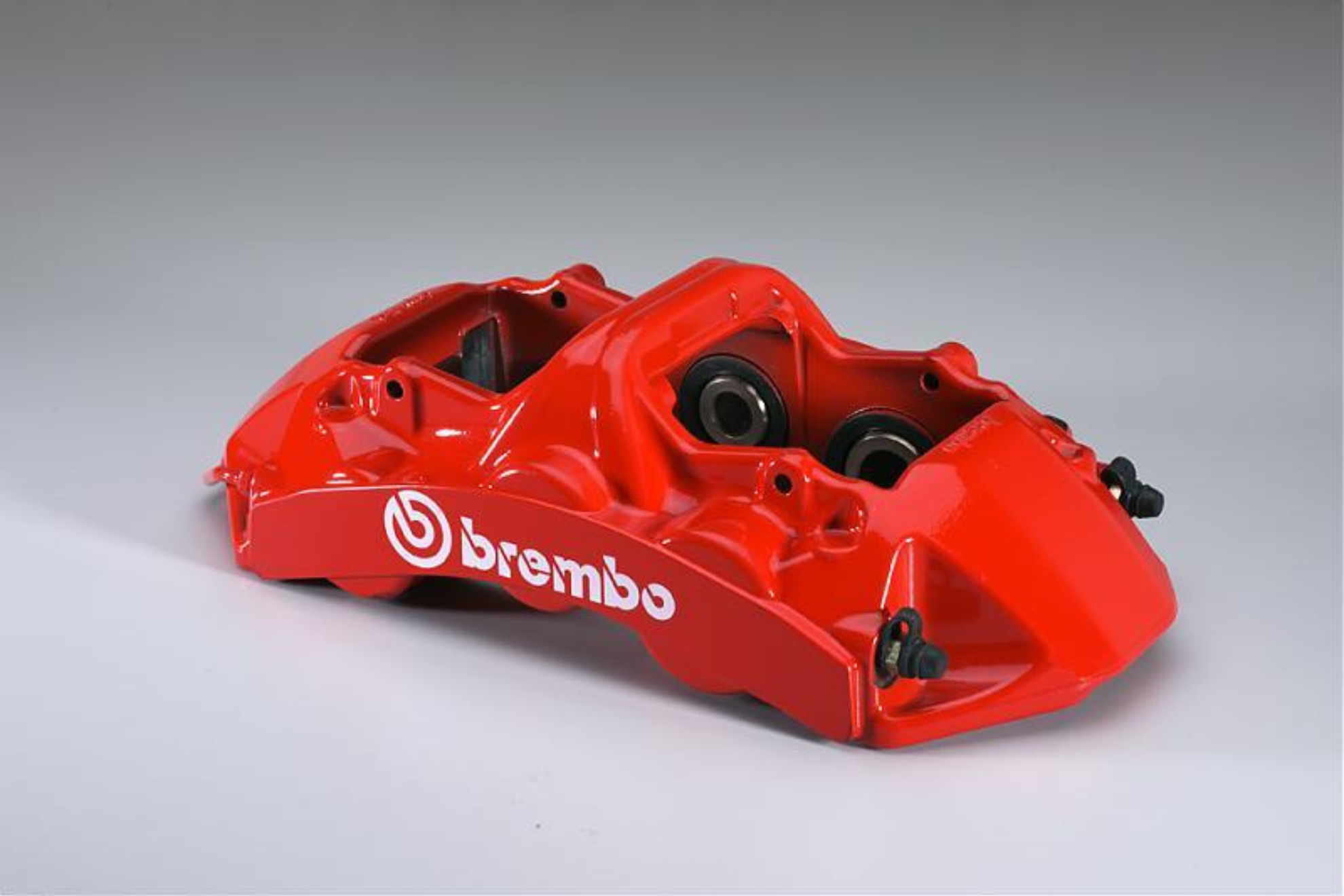
Brembo developed its first monoblock brake caliper in 1987 before the technology moved from motorsport into production cars.
Brembo developed its first monoblock caliper in 1987, with the technology making its Formula 1 debut the following year. Less than a decade later, it reached a production road car with the Porsche Boxster.
In sporting terms, that journey illustrates the core value proposition of elite endurance and single-seater racing. A solution created to meet the extreme demands of a grand prix or a long-distance sports car race – rigidity under peak deceleration, consistent pedal feel, resistance to fatigue – finds its way into a car that can leave a dealership and be driven in everyday conditions.
For manufacturers and teams, this connection helps justify investment in programs that are costly and tightly governed by rulebooks. Success is measured not only in race wins but also in how many technologies can eventually comply with road regulations and improve the braking performance of volume models and high-performance specials alike.
Carbon-ceramic discs and the temperature challenge
Carbon-based braking systems were originally developed to withstand the extreme conditions of motorsport, where discs operate at very high temperatures and must deliver repeatable performance over stints that run for dozens of laps. The subsequent challenge for engineers was to adapt some of those characteristics for road cars, where brakes have to work effectively from cold, in traffic, and across a wide range of weather conditions.
That development pathway helped bring technologies such as carbon-ceramic brake discs to high-performance production vehicles. Their use is now a hallmark option on many sports cars and supercars, offering reduced unsprung mass and improved fade resistance when driven hard on track days or mountain roads, while still complying with road-use regulations.
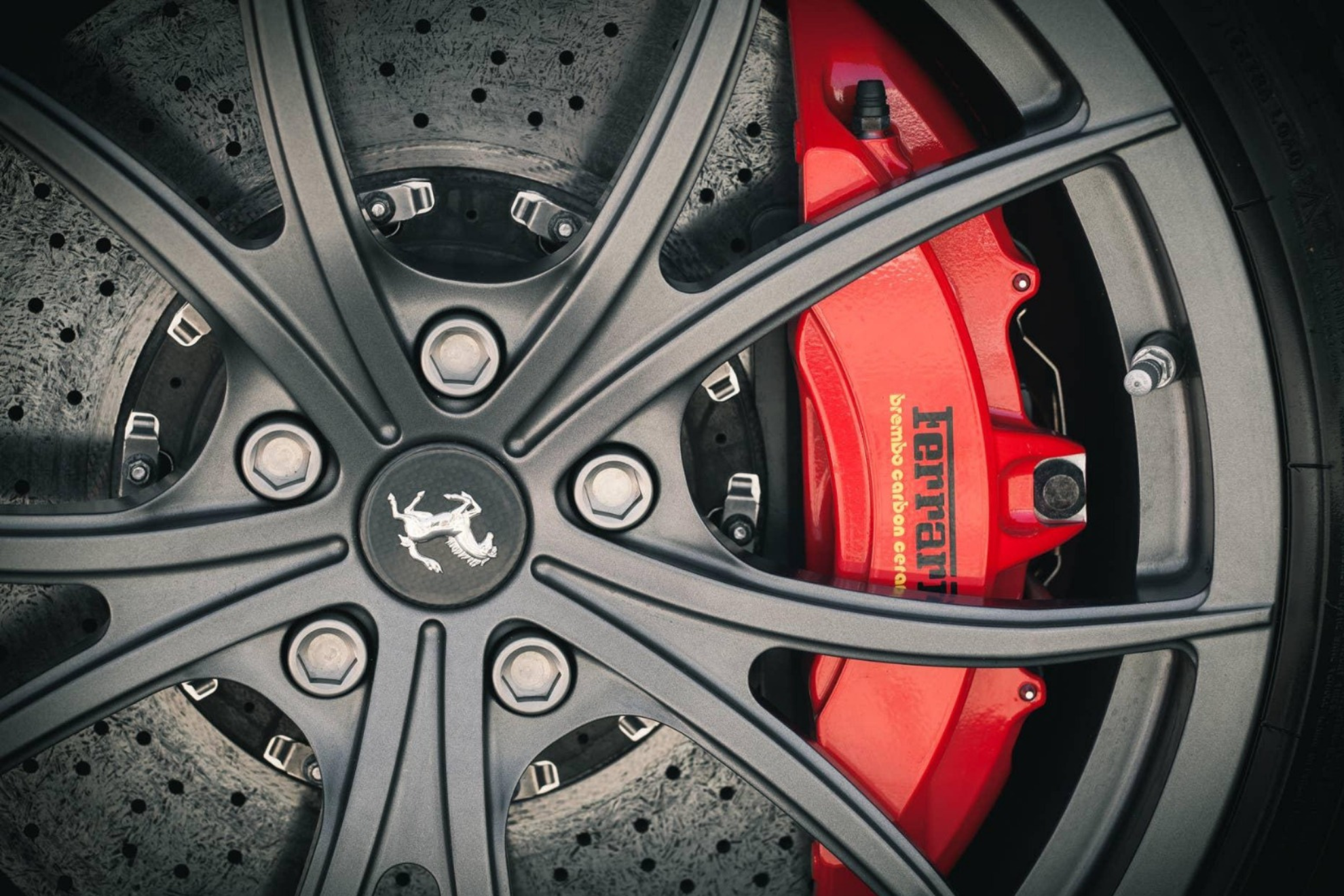
Carbon-ceramic brake discs are one example of racing-derived technology adapted for high-performance road cars.
This transfer of technology is closely watched by governing bodies and manufacturers alike. In endurance racing, ruleset stability and safety regulations must balance technological freedom with cost control, ensuring that innovations in materials and design can filter into road cars without creating unsustainable gaps between factory teams and private entrants.
Endurance racing as a development ecosystem
And perhaps that is one of the most interesting things about an event like Petit Le Mans. The technology surrounding these race cars can appear completely disconnected from everyday driving: the materials are exotic, the loads are extreme and the operating windows are narrow. Yet the underlying process is familiar and deliberately structured:
- develop new components to meet specific performance or durability targets
- test them under controlled but punishing race conditions
- learn from performance data and failures
- improve the design and, when viable, adapt it for series-production vehicles
It is a philosophy the automotive industry has followed for decades. For major manufacturers, long-distance races form part of a wider technical and commercial strategy: the same braking expertise that keeps a prototype out of the gravel trap at Turn 10 can shape the calibration of an electronic stability system or the specification of a performance package offered in dealerships.
Motorsport gives engineers an environment where components can be pushed far beyond the conditions they would normally experience on public roads. Every lap generates data. Every race can expose a weakness. Every improvement has to be ready for the next challenge, under the scrutiny of technical delegates and within the framework set by series organizers such as the FIA.
Why endurance braking matters for teams and series
In endurance racing, the demands on braking systems shape sporting outcomes as much as straight-line speed. Performance alone is not enough; components must maintain their characteristics and reliability for hours. That requirement influences how teams manage drivers’ stints, how they plan pit stop strategy and how they balance outright pace against long-term durability.
That is why championships such as IMSA and the FIA World Endurance Championship can serve as testing grounds for new automotive technologies. A brake package that proves robust over a 10‑hour or 24‑hour race not only contributes to a strong result in the points table; it also strengthens a supplier’s position in the wider automotive market, from original equipment contracts to aftermarket performance kits.
The commercial stakes are significant. For suppliers like Brembo, a visible presence at events such as Petit Le Mans is part technical showcase, part business development. For carmakers, aligning their competition programs with road-car technology cycles can influence model launch timing, marketing narratives and even investment decisions in new platforms.
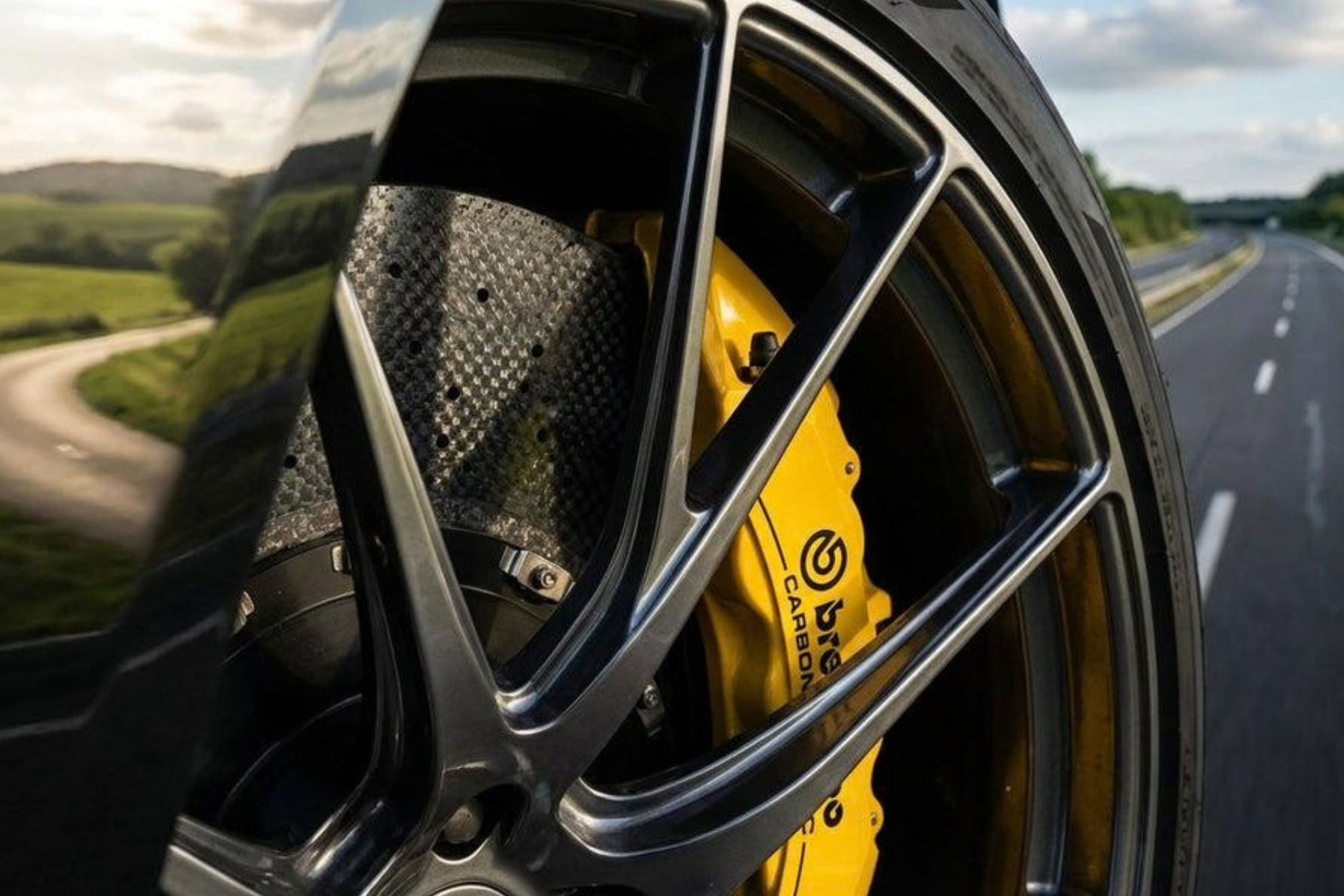
Brembo racing brake system
From prototype paddock to everyday commute
Watching a prototype race car fly through Road Atlanta, it is easy to see it as a machine entirely removed from the vehicles parked outside the circuit. The cabin is bare, the braking system is designed around data traces and tire models, and the consequences of a small mistake are measured in lost laps or safety car periods.
But there is a connection. The next time a driver presses the brake pedal on a road car, the technology behind that action may have roots in decades of research and development that began in a very different environment: a racetrack, where engineers are chasing another tenth of a second while staying within tightly written sporting and technical regulations.
As endurance categories evolve to accommodate new powertrains and efficiency targets, that link between competition and daily mobility is likely to remain central. Brake-by-wire systems, energy recovery strategies and new friction materials are already being explored in top-level series and, over time, can reshape how future road cars manage stopping power and energy use.
That is one of the most fascinating aspects of motorsport: while the chequered flag settles championship positions and prize money, the broader impact is felt long after the podium. The race ends. The technology continues.
Keep reading
