
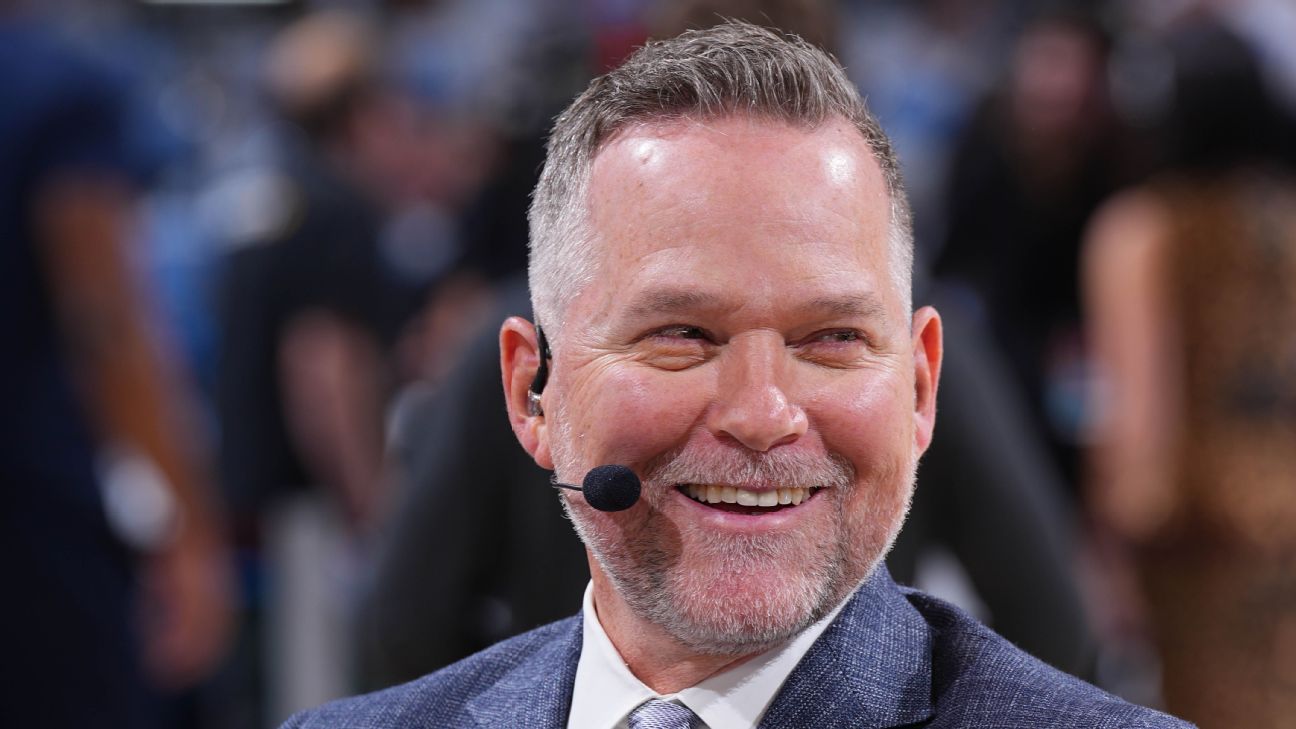
The University of North Carolina has selected Michael Malone as its next head men’s basketball coach, a move that represents a significant departure from traditional hiring practices for the storied program. Sources confirmed the appointment to ESPN’s Pete Thamel, signaling a new era for the Tar Heels as they turn to a coach whose résumé has been built almost entirely at the professional level.
Malone, 54, brings over two decades of experience in professional basketball, having served as both a head coach and assistant in the NBA. He will take the helm of a North Carolina team that began its search for a new leader nearly two weeks ago following the dismissal of Hubert Davis, a former Tar Heel player whose hiring had continued the school’s long-standing preference for in-house and alumni candidates.
The Tar Heels’ coaching search initially focused on established collegiate figures, including Dusty May of Michigan, Tommy Lloyd of Arizona, and T.J. Otzelberger of Iowa State. However, each of these coaches publicly reaffirmed their commitment to their current institutions, prompting UNC to pursue Malone, who previously led the Denver Nuggets for ten seasons. The shift from the college carousel to an NBA champion underscored how urgently university leadership wanted a proven game manager and culture builder with national name recognition.
During his tenure in Denver, Malone compiled a 471-327 record, becoming the franchise’s all-time winningest coach. He culminated his NBA career with the Nuggets’ first-ever championship title in 2023 before being relieved of his duties last April and subsequently joining ESPN as a basketball analyst. That profile – championship credentials, recent sideline experience and national television visibility – made him an attractive candidate for North Carolina’s trustees and athletics leadership as they weighed the program’s competitive and commercial future.
The decision to move on from Davis followed a disappointing end to the 2023-24 season, marked by a first-round NCAA tournament loss to VCU. The Tar Heels squandered a 19-point lead in that contest, a result that underscored a recent trend of underperformance in the tournament. Davis’ five-year record at UNC stood at 125-54, including a national championship game appearance in his first season, but the program failed to reach the Sweet Sixteen in the subsequent four years. For a flagship public university whose basketball brand drives donor engagement, media revenue and broader institutional visibility, that plateau raised concerns that went beyond wins and losses.
North Carolina’s championship pedigree – boasting six NCAA titles, most recently secured under Roy Williams in 2017 – creates significant expectations for its basketball program and for the administrators who oversee it. The hiring of Malone, a coach with no prior collegiate experience, represents a calculated risk as the university seeks to restore its position among college basketball’s elite while navigating heightened scrutiny of how public institutions govern high-revenue sports. The NCAA, the governing body for college athletics, maintains strict regulations regarding coaching transitions, recruiting calendars, use of the transfer portal and player eligibility, which will be central to Malone’s integration into the collegiate landscape.
The move also signals a potential shift in recruiting strategies for the Tar Heels. Malone’s extensive NBA network could prove valuable in attracting top talent by offering a clear pathway from Chapel Hill to the professional ranks, though adapting his professional coaching style to the unique demands of college basketball – including hands-on roster management, compliance oversight and the evolving rules around name, image and likeness compensation – will be a key challenge. The coming months will reveal how effectively Malone can translate his NBA success to the collegiate level, work within the university’s own compliance and governance structures, and navigate an increasingly complex ecosystem in which basketball decisions are closely intertwined with policy, regulation and institutional reputation.
- Aidan Forker Retires: Armagh’s All-Ireland Winning Captain Ends 15-Year Inter-County Career
- Oilers Evaluate Roster Depth Amid Potential Player Move and Preseason Assessments
- COSPN secures second Madagascar N1A basketball title, beating RBC Boeny 74-68 (archysport.com)
- Jay Clayton named White House AI czar by Trump to lead task force (globallypulse.com)
