
LeBron’s Fanatics Helicopter Perk Highlights New Era of Player Mobility and Branding
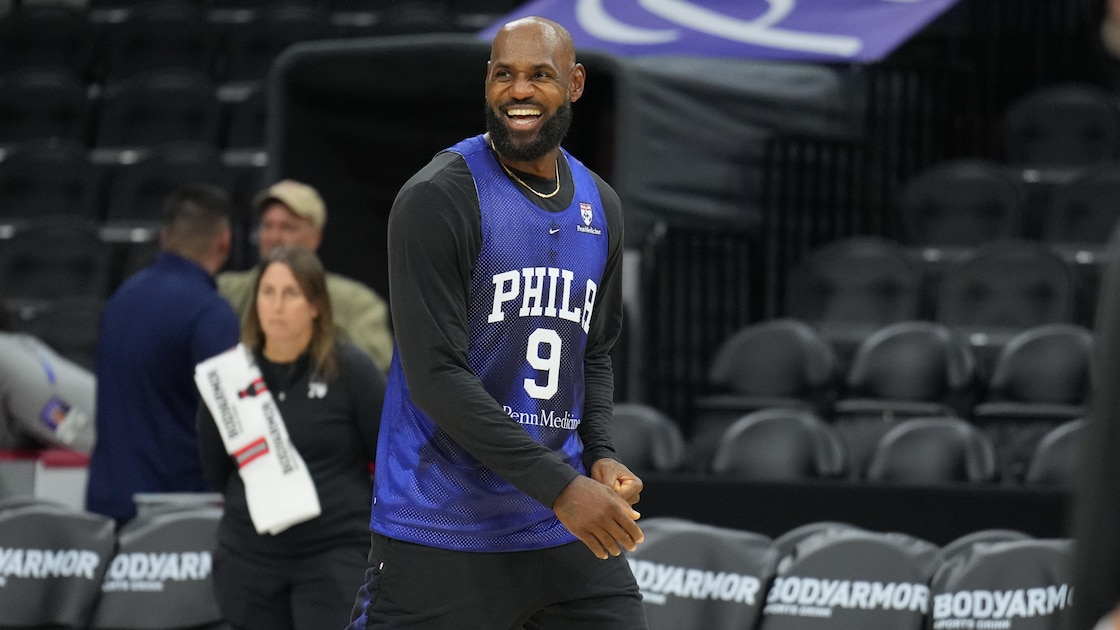
LeBron James’ endorsement agreement with Fanatics includes access to on-demand helicopter service, a benefit that has quickly become part of the Philadelphia 76ers star’s day-to-day logistics as he settles into his new team.
Daniel Roberts has noted that only “a small handful of other athletes with big Fanatics deals” receive the same level of access to the company’s helicopter offering, underscoring how selective the perk is at the very top end of Fanatics’ athlete portfolio.
TMZ Sports has published an image of James boarding a Fanatics-branded helicopter after a 76ers scrimmage on Saturday, a visual confirmation of a travel setup that had already been the subject of intense speculation since the veteran forward arrived in Philadelphia.
From Rumor to Reality: The New York-Philadelphia Commute
From the moment James agreed to join the 76ers, rumors circulated that he intended to establish his primary residence in New York City and use a helicopter commute for team activities in Philadelphia. The typical one-way flight time between the two cities is around an hour, placing the journey within the kind of window that can, in principle, be built around training, film sessions and home games.
That arrangement would create one of the most distinctive daily routines in the NBA: a marquee player effectively splitting his life between two of the league’s major media markets while playing a full season in a sport defined by dense travel and limited recovery windows.
Within the organization, there appears to be little visible concern over the optics or practicality of that commute. The 76ers are already accustomed to managing partner and primary owner Josh Harris traveling the same route by helicopter, and internal expectations have been shaped by that precedent. The practice has generated outside curiosity, but reporting has indicated it has not significantly unsettled team operations to this point.
Player Versus Owner Travel: Competitive Considerations
There is, however, an inherent distinction between an owner commuting by air and a player attempting the same during the grind of an 82-game regular season, preseason commitments and potential postseason runs under the NBA’s competition framework.
Owners are not subject to the same performance and recovery demands as players who must manage:
- Practice, shootarounds and strength work around games
- Short turnarounds in home back-to-back scenarios
- In-season travel across time zones layered on top of any personal commute
For a player, even one traveling privately, maintaining a helicopter commute introduces variables that teams usually try to limit. Private air travel is more sensitive to weather and airspace restrictions than a routine car journey, and delays or cancellations can disrupt finely tuned preparation schedules. That is particularly relevant when the 76ers face consecutive home games on back-to-back days, when remaining in Philadelphia between tip-offs is generally the simplest option for maximizing rest, treatment and film work.
Living Arrangements and the Demands of an NBA Season
Given the NBA’s travel load and the league’s emphasis on load management and recovery, it is realistic to expect James to maintain at least some form of living base in Philadelphia, even if New York remains an important hub for his family life and off-court business commitments.
On a practical level, staying in Philadelphia between home games – particularly during stretches when the 76ers’ schedule keeps them in the city for:
- Home back-to-backs
- Extended homestands
- Days featuring early practice followed by evening team activities
reduces his exposure to weather-related disruption and minimizes the cumulative fatigue that can accompany daily flights, even on short routes. In a league where marginal gains in rest and preparation can influence seeding, playoff readiness and individual longevity, those logistical details matter.
Commercial Power and Team Dynamics
The helicopter access also illustrates how deeply integrated commercial partnerships have become in shaping the lived experience of elite athletes. An endorsement deal now extends beyond traditional advertising into areas that directly influence how a player navigates the season, from commute patterns to the branding visible on the aircraft that ferries him to and from team facilities.
Within the locker room and the wider organization, such high-end perks can cut in multiple directions. On one hand, they reflect James’ global commercial status and the leverage that comes with it. On the other, teams must ensure that travel arrangements for a leading player align with broader performance standards and do not create avoidable points of friction over access, punctuality or perceived hierarchy.
So far, staff and players around the 76ers have been portrayed as largely unfazed by the helicopter element, in part because they are already used to similar routes being taken by ownership. That familiarity lowers the temperature around a commuting pattern that, in another environment, could risk appearing extravagant or distracting.
Who Pays – and What It Signals
One key practical question around James’ New York-Philadelphia flights has now been clarified: the cost of those helicopter trips is being handled through his relationship with Fanatics, rather than coming directly from team resources. That distinction matters at a time when the NBA’s financial ecosystem is carefully calibrated through the salary cap and related rules, even if personal endorsement benefits sit outside that framework.
For James, the arrangement offers a way to balance lifestyle, business interests and professional obligations in a compressed NBA calendar. For the 76ers, the priority will be that his travel – however branded or financed – supports rather than complicates the central task: keeping one of the league’s most influential players consistently available, prepared and integrated into a group with championship-level ambitions.
As the season unfolds, the helicopter will remain a visible symbol of the convergence between elite performance, commercial power and the practical realities of playing under one of the most demanding schedules in global sport. What was once rumor about a star commuting by air is now a fully operational part of how one of basketball’s defining figures moves through his new chapter in Philadelphia.
