
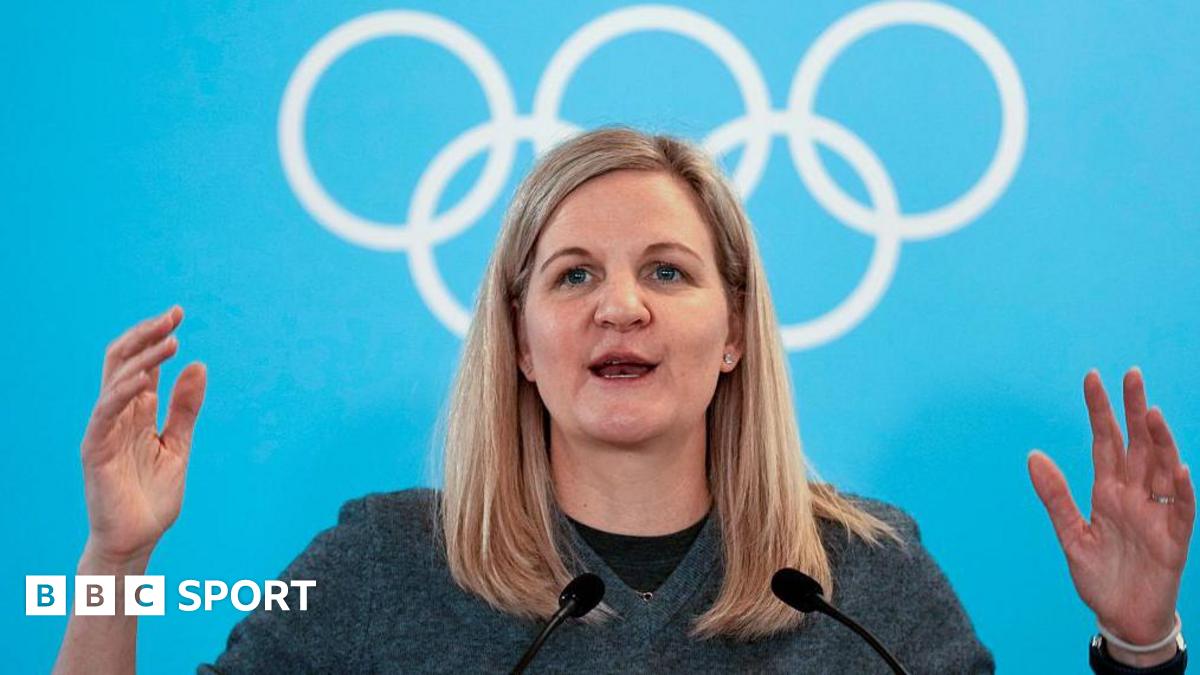
IOC’s new eligibility stance reshapes the women’s field – and forces federations to move fast
The International Olympic Committee has adopted a new approach to eligibility for women’s competition, describing it as a reflection of ethical, human-rights, legal, scientific and medical developments, alongside stakeholder feedback. A review, which considered developments since 2021, reached a consensus that male sex confers a performance advantage in all sports and events that rely on strength, power and/or endurance, irrespective of testosterone suppression. The IOC has not published the scientific research underpinning this shift, leaving athletes and federations to interpret the data largely through secondary summaries rather than primary studies.
What the IOC says the numbers show
In its technical briefing, the committee points to performance gaps between male and female categories as the central rationale for revisiting eligibility rules.
- Running and swimming (elite level): a 10-12% male performance advantage
- Throwing and jumping disciplines: around 20%
- Explosive power sports such as boxing: up to 100%
The committee states these gaps persist even when testosterone is medically suppressed, a parameter many sports previously used in eligibility rules. In effect, the IOC is signalling that sex-based physiological differences, rather than hormone levels alone, are now the primary reference point for protecting the competitive integrity of the women’s category.
Flashpoints that accelerated change
Debate intensified after New Zealand weightlifter Laurel Hubbard became the first openly transgender woman to compete at an Olympics in Tokyo in 2021. Governing bodies in swimming and cycling subsequently introduced bans for transgender participation in women’s events amid concerns among female athletes about facing competitors with male physiology at the elite level. Those decisions, while framed as temporary, set a precedent for federations moving away from testosterone thresholds.
World Athletics had already tightened its rules following the 2016 Rio Games, when all three medallists in the women’s 800m were athletes with differences of sex development (DSD), introducing mandatory sex testing in 2025. In boxing, controversy at the Paris 2024 women’s tournament – where Imane Khelif and Lin Yu-ting both won gold after being disqualified from the previous year’s World Championships for allegedly failing sex-eligibility tests run by the then-governing body IBA – prompted World Boxing to act. Lin has since been cleared to compete in female competition by World Boxing, underscoring the sharp divergence between federations’ procedures and standards.
Amid the immediate fallout, the United Nations’ special rapporteur on violence against women called for the reintroduction of sex screening in female sport, a move a group of academics supported as preferable to targeted testing based on allegations or suspicion. That intervention, while advisory, added human-rights scrutiny to what had often been treated primarily as a technical eligibility question.
Governance implications across sports
The new stance from the International Olympic Committee shifts responsibility and urgency onto international federations and event organisers. Under the Olympic Charter, federations remain autonomous in setting eligibility rules for their sports, but they must do so in a way that is compatible with the IOC’s framework and with broader human-rights obligations referenced in the Olympic Charter. Expect more sports to codify eligibility not by hormone thresholds alone but by sex-linked performance categories, backed by defined verification procedures and clearer evidentiary standards.
This has real competitive and administrative consequences. Federations must align rules with their qualification systems, so athletes and national selectors know the criteria well ahead of trials. Where events run on rolling or multi-stage qualification, entry windows, appeals timelines and panel capacity will need adjusting to avoid late exclusions that destabilise start lists and broadcast schedules.
- Eligibility panels: sports will need independent expertise and fast-track case management to meet entry deadlines and avoid last-minute ineligibility rulings.
- Disclosure and privacy: safeguarding medical and personal data while providing enough transparency for competitive integrity and to maintain public trust.
- Consistency: harmonising criteria with continental and national bodies to prevent athletes being eligible in one tier but not another, particularly where Olympic qualification depends on regional events.
- Appeals: preparing for more casework at federation tribunals and, where applicable, the Court of Arbitration for Sport, including challenges on human-rights and anti-discrimination grounds.
Athlete experience and duty of care
How rules are implemented may matter as much as their content. Clear communication, confidential processes and support services will help reduce the risk of ad hoc accusations at events and public labelling of athletes whose eligibility is under review. With some sports likely to reintroduce sex screening, federations face a balancing act: ensuring competitive fairness while minimising intrusive procedures and safeguarding against bias, racial profiling and harassment.
For athletes in women’s categories, the new landscape means earlier and more formal verification in the performance pathway – potentially at junior or continental level rather than only at world championships. For those affected by new classifications or reclassifications, access to counselling, legal support and timely information will become a core part of any credible duty-of-care regime.
Politics on the periphery
There are external pressures. Last year, US President Donald Trump signed an executive order preventing transgender women from competing in female sports categories, and warned he would deny visas to transgender Olympic athletes seeking to compete at the Los Angeles Games. IOC figure Kirsty Coventry has denied any influence from such measures on the new policy, although Trump has taken credit for the move. While visa decisions ultimately rest with host governments under their domestic immigration laws, the IOC’s insistence on non-discrimination sits uneasily alongside unilateral national restrictions.
The intersection of sport policy with national entry rules underscores why international bodies are seeking uniform standards that can withstand political cycles. Federations are now writing eligibility policies with an eye not only to performance data but also to potential clashes with domestic legislation, constitutional equality guarantees and international human-rights instruments such as the Convention on the Elimination of All Forms of Discrimination against Women.
What to watch next
- Rulebook updates: sports that previously relied on testosterone thresholds may pivot to sex-based categories, with specific exemptions or event-by-event criteria for mixed or open classifications.
- Qualification clarity: publication of eligibility cut-offs and verification timelines before major trials to reduce late-stage disputes and avoid athletes being ruled out after they have met performance standards.
- Boxing governance: how World Boxing’s clearance processes are applied after the Paris 2024 controversy, and whether other combat sports mirror those thresholds or adopt even stricter definitions of the women’s category.
- Track and field: continued alignment between competition entry rules and DSD policy areas already tightened by World Athletics, and how that feeds into Olympic selection at national level.
The IOC’s recalibration signals that the women’s category will be policed more by physiological classification than by hormone management alone. The competitive impact will be felt not only at Olympic level but across world championships, continental events and national trials – wherever eligibility, fairness and athlete welfare intersect on the timetable. For sports administrators, the next 18 months will be a stress test of whether new eligibility rules can deliver clarity in the call room as well as credibility in the court of public opinion.
Keep reading
