
Buss Family Rift Complicates Lakers’ Record-Breaking Ownership Shake-Up
Jeanie Buss Resists Full Exit as New Majority Owners Seek Larger Control
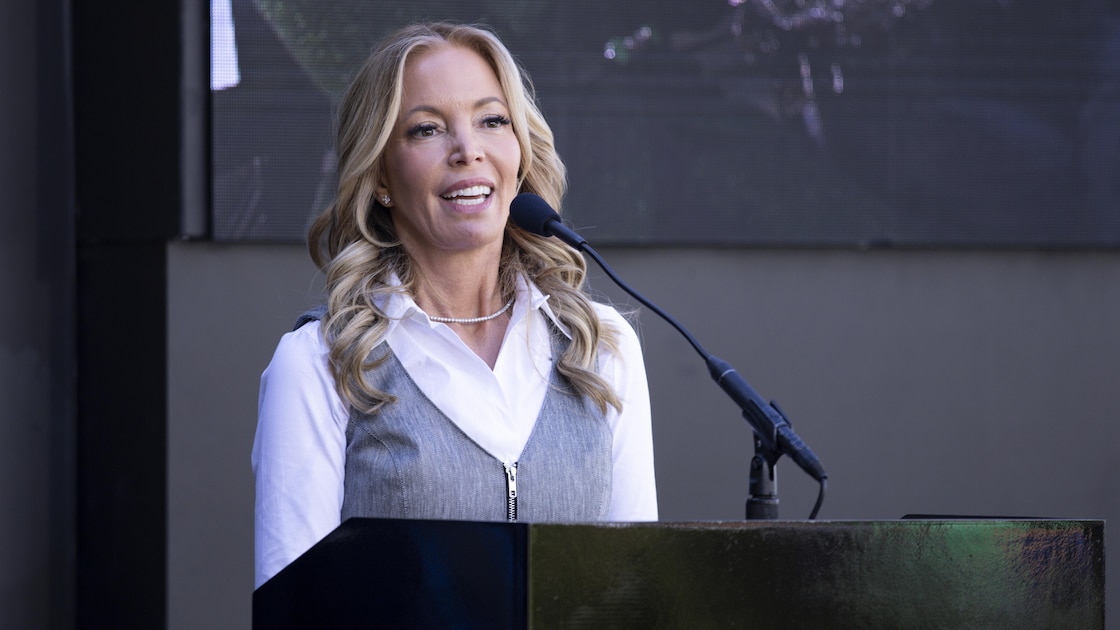
After news broke that the Buss family would be selling its share of the Los Angeles Lakers on Monday, Jeanie Buss’ lawyer sent a letter to her siblings’ lawyers denying that she would sell her stake to Bob Iger and Josh Kushner.
The intervention creates immediate uncertainty around the next phase of control at one of the NBA’s flagship franchises, just days after a landmark deal appeared to set a new long-term direction in Los Angeles.
Alex Sherman of CNBC posted details:
From Walter to Iger and Kushner: A Record Valuation
This latest development comes less than a week after Iger and Kushner bought a majority stake in the Lakers from Mark Walter at a historic valuation.
Per Shams Charania, the two businessmen were purchasing the remaining 17.8 percent ownership stake from the Buss family. The Buss family also issued a statement to Charania.
“We have decided as a family to sell the remaining Buss Family Trust shares to the Bob Iger group as part of the ongoing transaction,” the Buss family said in a statement. “We love the Lakers, Laker fans and will continue to support Los Angeles; but it is time to use this opportunity to move on and exit gracefully while we still can.”
ESPN’s Ramona Shelburne added:
However, it does not appear the deal is done.
Per Charania, Iger and Kushner purchased approximately 65 percent of the Lakers at a $12.5 billion valuation last week, a new record for the sale of a sports team. Adding the Buss family’s shares would give Iger and Kushner approximately 83 percent of the franchise.
Last week’s deal came less than a year after Walter, who also owns the Dodgers, purchased the Lakers at a $10 billion valuation, which was also a record at the time.
The back-to-back record valuations underscore how the Lakers sit at the center of the NBA’s commercial growth. For the league, a transaction of this size involving a globally recognized brand becomes a reference point for future franchise sales and expansion pricing, shaping expectations for investors in other markets.
Buss Era Under Strain After Nearly Half a Century
The sale last year indicated that the Buss family was perhaps looking to move away from being in control of the Lakers after being in charge since the late 1970s.
When the team sold last year, the contract included a clause saying that Jeanie Buss would remain the team’s governor, and Iger told the California Post‘s Khobi Price that he planned to honor that.
But if the family does, in fact, sell its shares, it would mean that Buss will no longer meet the required ownership percentage to remain in her position, according to Charania. The NBA requires ownership of at least 15 percent of the team to be a controlling owner or governor, a standard set out in the league’s constitution and bylaws.
That threshold makes the internal Buss dispute more than a family matter. It determines whether one of the longest-serving and most visible team governors in the league retains formal control, or whether the franchise aligns fully with its new majority owners. For players, staff and sponsors, clarity over who occupies that governor role can influence long-term planning in areas such as coaching decisions, roster-building philosophy and arena-related projects.
Las Vegas Expansion Hopes Pivot to Los Angeles Opportunity
Kushner and Iger initially were interested in bidding for the league’s expansion franchise in Las Vegas, but pivoted once they found out Walter was interested in selling the Lakers.
“We were involved in pursuing the new franchise in Vegas,” Iger said. “And while that happened, it was suggested to us that maybe Mark Walter would be interested in selling his stake in the Lakers. And we immediately decided that given the value of the franchise and the iconic nature of the team, that we would be really smart to pursue it. The deal came together in three days.”
The shift from a prospective Las Vegas expansion team to an existing 17-time champions-level brand reflects a strategic calculation. An established franchise with a global fan base, extensive commercial partnerships and a proven track record of attracting elite talent is typically viewed by investors as a more predictable asset than a start-up club, even in a high-growth expansion market.
A team like the Lakers, one of the most popular sports franchises in the world, is arguably a safer investment. For current and future players, that financial robustness matters: it underpins spending on competitive rosters, player development infrastructure, and broader off-court support that can influence on-court success in a tightly contested Western Conference.
Competitive and Commercial Stakes for the NBA
Under the Buss family’s ownership, the Lakers have won 11 championships. Whether or not Iger and Kushner acquire the remaining Buss shares, the duo will have big shoes to fill regardless after buying Walter’s stake.
Any change in the balance between legacy family ownership and new institutional capital will be closely watched across the NBA landscape. For rival clubs, the final shape of the Lakers’ ownership group could signal how aggressively the franchise intends to operate in areas such as:
- Long-term investment in coaching, analytics and player development structures
- Willingness to commit resources within the league’s salary-cap and luxury-tax systems
- Commercial strategies in international markets where the Lakers already have a significant following
For the league office, the outcome will feed into broader questions about governance: how to balance the continuity offered by long-standing family stewards with the scale of capital now entering the sport through record-breaking franchise valuations.
For now, Jeanie Buss’ refusal to sell her stake introduces a layer of uncertainty just as a new majority ownership seemed poised to consolidate control. Until the internal dispute is resolved, the Lakers’ front-office hierarchy and formal leadership structure will remain an important subplot alongside the team’s ambitions on the court.
Related reading
