
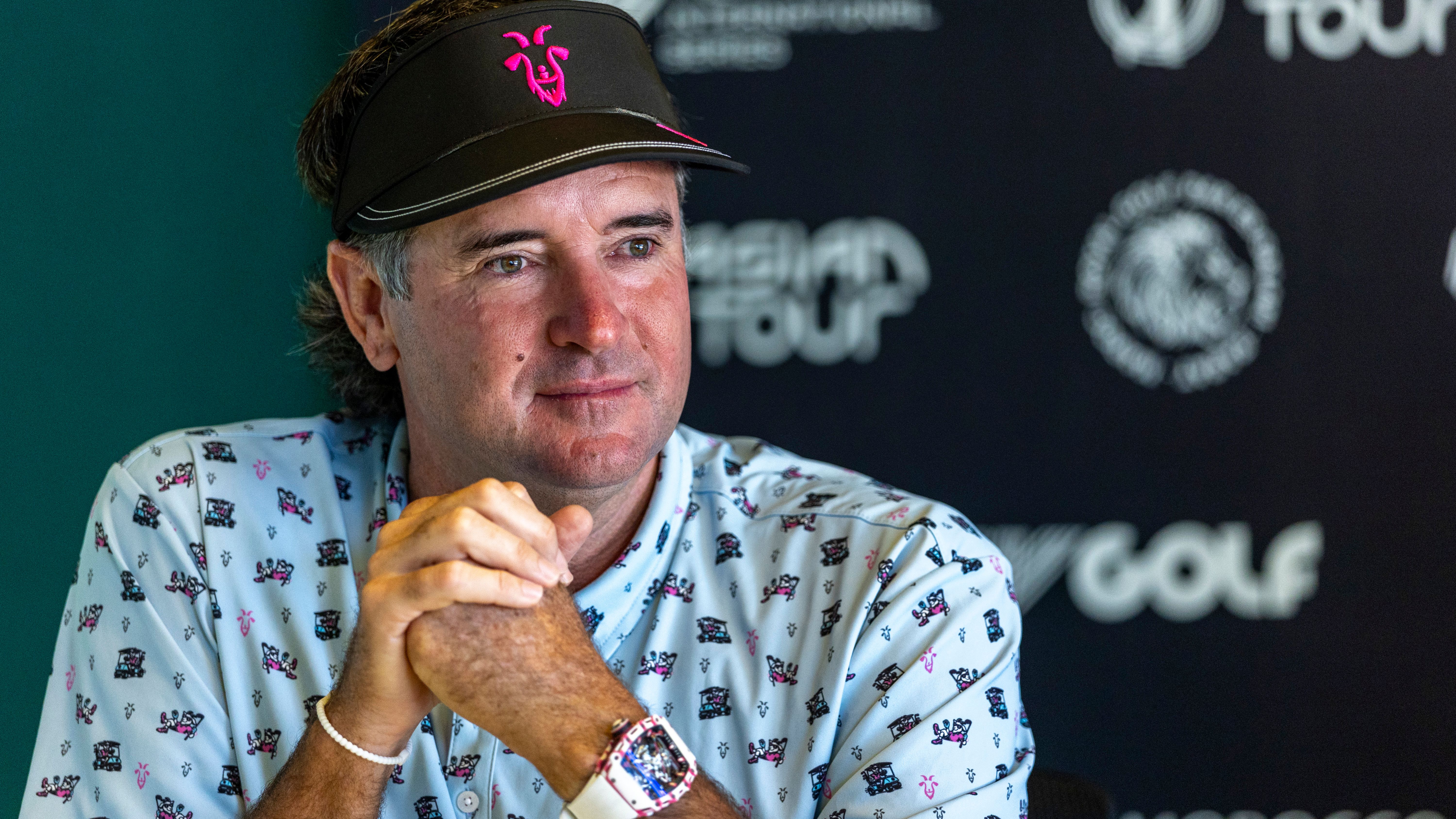
Bubba Watson Brings Momentum and Architectural Ambitions to International Series Morocco
Two-time Masters champion Bubba Watson has arrived in Rabat for the International Series Morocco presented by Visit Morocco, entering the tournament on the heels of his most successful performance of the year. The RangeGoats Golf Club captain arrives in Morocco following a top-10 finish at LIV Golf Andalucía, marking his strongest result of the current season and reinforcing a mid-year uptick in form.
While the competitive aspect of the event remains central, Watson is utilizing the tournament as an opportunity to advance a long-term professional ambition: the design and construction of his own golf course. That ambition sits within a tightly regulated global industry in which course development must navigate environmental, planning, and land-use rules set by national authorities as well as the overarching governance of the sport by bodies such as the R&A, which administers the Rules of Golf outside the United States and Mexico.
Architectural Study at Royal Golf Dar Es Salam
The tournament is hosted at the Royal Golf Dar Es Salam, a venue that serves as both a competitive challenge and a case study for Watson. The layout holds significant prestige within the professional community, having been named the Asian Tour Players’ Choice Course of the Year in 2025. For Morocco, the event also underscores the country’s broader strategy to grow inbound sports tourism and position Rabat as a recurring stop on international golf calendars.
Watson has increasingly focused on the technicalities of course architecture during his global travels. This interest was previously highlighted during his first International Series appearance at the 2024 BNI Indonesian Masters, where the Royale Jakarta Golf Club left a similar impression. In Rabat, he is treating the week as a live laboratory, paying particular attention to how Royal Golf Dar Es Salam manages routing, risk-reward options, and spectator flow across tournament infrastructure.
Watson views these international venues as essential learning tools for his future goals:
- Design Analysis: Studying the rationale behind specific layout decisions, green complexes, and hazard placement, and how they influence both elite and everyday play.
- Landscape Integration: Observing how different global landscapes, from North African parkland to Southeast Asian tropics, influence course creativity, sustainability choices, and water-management solutions that must align with local regulation.
- Professional Application: Integrating these observations into his own potential future course designs, with an eye on meeting modern standards for environmental stewardship and tournament staging.
Performance Trends, Recovery, and Schedule Management
The timing of Watson’s appearance in Rabat is critical, as he seeks to capitalize on a positive trend in his game. Despite noting that his performance in Spain was not his absolute peak, the top-10 finish has provided a necessary boost in confidence and rhythm, particularly on a schedule that has compressed elite men’s golf across multiple tours and series.
For a veteran player, managing the physical and mental toll of a demanding LIV Golf calendar is a priority. Upon arriving in Morocco, Watson opted for a period of recovery and family time over immediate course practice. This strategic rest period included visiting local attractions with his children, such as the city zoo, before beginning his formal 18-hole preparations for the event. That approach reflects a growing emphasis across professional golf on player welfare, travel fatigue, and evidence-based workload management.
The transition from the high-intensity environment of the LIV circuit to the International Series allows Watson to maintain competitive sharpness while exploring the game’s broader global footprint. For Morocco, hosting an International Series stop also reinforces the country’s role within the expanding ecosystem of sanctioned professional events conducted under the global rules framework of organized golf competition. By balancing the pursuit of momentum on the leaderboard with the study of world-class architecture, Watson is positioning himself for both immediate success in Rabat and a future role in golf course development-one that will require him to blend player intuition with the regulatory, environmental, and design realities that now shape modern golf projects.
Related reading
