
The 2026 FIFA World Cup has proven to be as much a digital phenomenon as a sporting one. Beyond the tactical battles and tournament brackets, the event has generated a parallel narrative through viral content, where the behavior of athletes and high-profile spectators often captures as much global attention as the goals themselves.
From the tunnel to the VIP boxes, the intersection of celebrity culture and elite athletics has created a series of moments that have dominated social media feeds throughout the competition. These instances highlight the increasing pressure on players to maintain public personas and the scrutiny placed on every gesture in the stadium, in a tournament already shaped by the commercial and governance framework set out in the FIFA World Cup 2026 Regulations.
The Cultural Impact of Viral Personas
One of the most discussed threads of the tournament has been the lighthearted dynamics between players, epitomized by the “bromance” involving Erling Haaland. Such interactions serve a dual purpose: they humanize the world’s most expensive athletes and provide a marketable, accessible side to the intensity of international competition. In a media environment where short-form clips travel faster than full-match analysis, these micro-stories often become the entry point for global audiences.
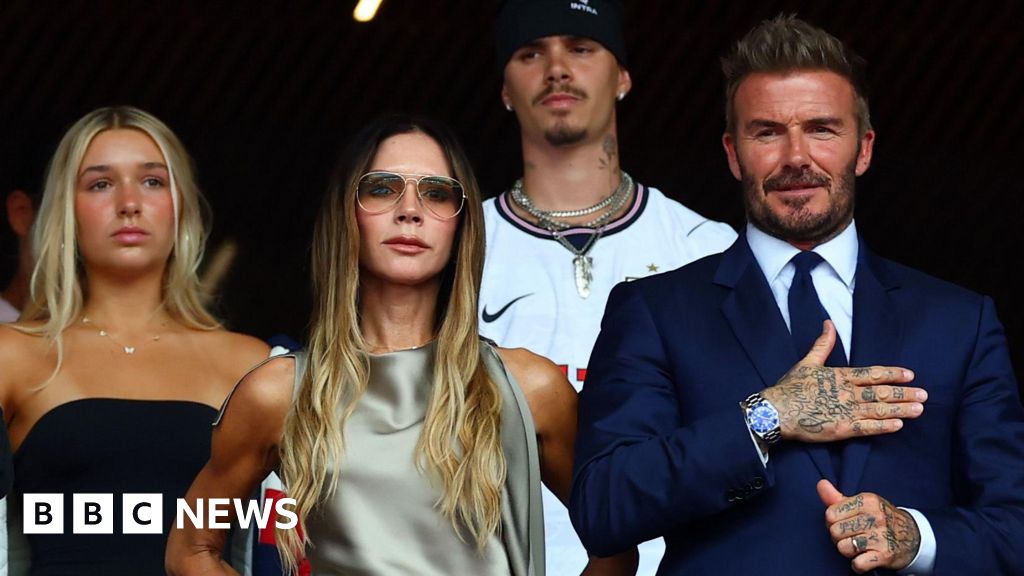
Conversely, the tournament has also highlighted the contrasting presence of celebrity supporters. Victoria Beckham, known as Posh Spice, became a focal point of online discourse for her “no-nonsense” demeanor. Her focused, stoic expressions during high-tension matches provided a sharp contrast to the emotive reactions of the crowds, illustrating the various ways public figures navigate the public-facing nature of the World Cup stands. For sponsors, broadcasters and even team communications staff, such moments have become assets to be curated as much as they are observed.
Digital Engagement and Tournament Visibility
The trend of “viral moments” is not merely a byproduct of the tournament but a key component of its commercial reach and soft-power influence for the host nations. The FIFA World Cup operates as a global brand where engagement metrics on platforms like X, TikTok, and Instagram are closely monitored, feeding directly into decisions on sponsorship activation, broadcast packaging, and post-tournament legacy campaigns.
These moments matter because they drive viewership among demographics that may not follow every match but engage with the “highlights” of football culture. This digital footprint influences:
- Athlete Brand Value: Players who trend positively outside of their on-pitch performance often see a surge in commercial endorsement opportunities and increased leverage in future contract negotiations.
- Fan Acquisition: Viral clips act as entry points for new fans, broadening the sport’s international appeal and reinforcing the strategic objective of expanding football’s footprint in emerging markets.
- Media Narrative: The focus on “viral” scenes can sometimes overshadow tactical analysis, shifting the sports journalism landscape toward a more lifestyle-oriented approach and blurring the line between sports coverage and entertainment reporting.
For regulators and tournament organizers, this ecosystem is no longer a sideshow. It informs how broadcast rights packages are designed, how in-stadium camera access is negotiated, and how data protection and image rights are enforced in partnership with national associations and digital platforms.
The Balance of Professionalism and Publicity
As the tournament progresses, the tension between the rigorous professional requirements of the game and the demand for “shareable” content remains evident. While the athletes are focused on the pursuit of the trophy, their every move is analyzed through a lens of entertainment. Team media officers, agents and national federations now routinely brief players on how to handle tunnel cameras, mixed-zone interactions and spontaneous celebrations, aware that a single clip can define both a match and a month of online discourse.
This heightened visibility also raises governance questions. Federations and leagues are under pressure to update codes of conduct, social media guidelines and safeguarding policies to reflect an environment in which abuse, adulation and commercial overtures can arrive in real time on a player’s phone. Broadcasters, in turn, must balance editorial judgment with the temptation to chase clicks by over-amplifying fleeting moments from the stands.
The 2026 edition has solidified the reality that a World Cup is no longer just a series of 90-minute matches; it is a continuous stream of content where a single expression in the stands or a gesture between teammates can become a defining image of the tournament’s cultural legacy. How institutions-from national teams to global sponsors and governing bodies-choose to manage, regulate and respond to that stream will help determine what future World Cups look and feel like, both on the pitch and across the world’s screens.
Worth a look
