
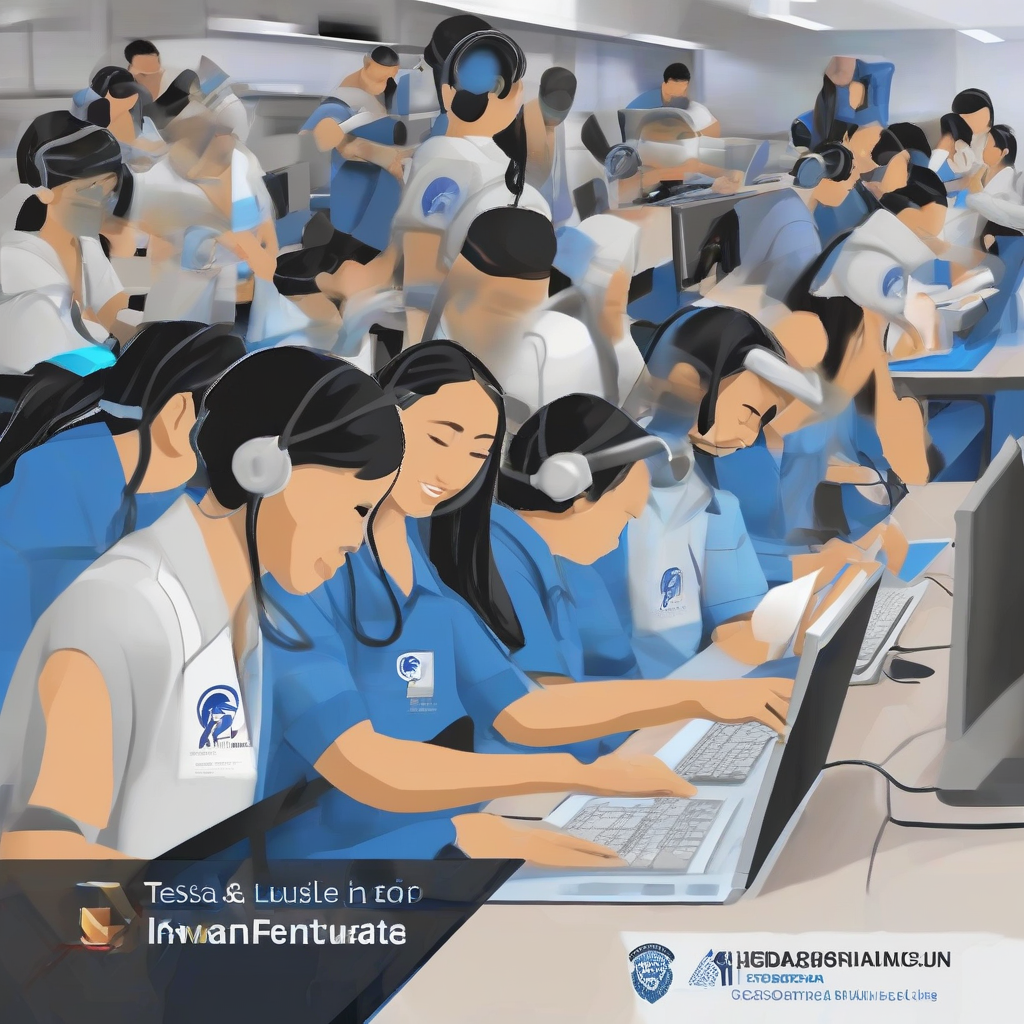
MANILA – The Technical Education and Skills Development Authority (Tesda) has launched a series of free online courses focusing on artificial intelligence, entrepreneurship, and digital literacy to prepare the Filipino workforce for technology-driven industry shifts.
The initiative, established through partnerships with the HP Foundation and UNESCO-UNEVOC, aims to democratize access to “future-ready” training, reducing the barriers to entry for high-demand technical skills. Tesda, the government agency mandated under the Technical Education and Skills Development Act, has in recent years expanded its role from traditional technical-vocational education to include more digital and innovation-focused programs.
Tesda Secretary Kiko Benitez stated that the program is a direct response to the rapid transformation of global and local industries, aligning with the government’s broader workforce development and digitalization agenda.
“As industries continue to transform through technology and innovation, it is important that Filipinos are equipped with the skills needed to remain competitive and adaptable in the future of work. Using e-Tesda, we can further expand access to quality training,” Benitez said.
Integration of HP LIFE Curriculum
The program integrates more than 30 courses from the HP LIFE Program into the e-Tesda online learning platform, Tesda’s central channel for distance and blended technical-vocational instruction. This integration allows learners across the country – including those far from physical training centers – to engage with business and digital subjects remotely and at a self-determined pace.
The available curriculum includes:
- Artificial Intelligence (AI)
- Entrepreneurship
- Marketing
- Communication
- Finance
- Business Operations
The specific module on artificial intelligence focuses on the practical application of AI within business environments, with a secondary emphasis on the responsible and ethical use of the technology in the workplace. Related modules in entrepreneurship, finance, and operations are designed to help learners translate digital skills into micro, small, and medium enterprise (MSME) opportunities, a long-standing priority of Philippine economic policy. For many first-time online learners, the courses also serve as an introduction to structured e-learning and digital collaboration tools.
Eligibility and Technical Requirements
To maximize accessibility, Tesda has removed traditional academic prerequisites for the majority of these courses. Enrollment does not require a college degree, prior professional work experience, or specific educational attainment, reflecting the agency’s legal mandate to provide inclusive, ladderized technical-vocational education pathways.
Prospective learners must possess the following:
- A valid email address
- Stable internet connectivity
- A compatible device (smartphone, tablet, laptop, or desktop computer)
Local governments and public training institutions are expected to play a complementary role by providing community-based access points, such as shared computers or connectivity hubs, for learners who do not have reliable devices or internet at home.
Enrollment Process
Access to the training is managed through the Tesda online program account system, which centralizes registration and course tracking for learners nationwide.
Users must first complete the registration details on the platform. Following the submission of details, the system sends an activation link via email; users must click this link to verify their account before they are permitted to enroll in specific courses. Once verified, learners can browse the full catalog and enroll directly through the platform, with progress and completion recorded digitally and aligned with Tesda’s broader technical-vocational education and training framework, including future options for assessment and certification.
The move to embed internationally developed content such as HP LIFE into a national skills platform mirrors similar digital upskilling drives across the region and underscores how governments are increasingly treating AI and digital literacy as core public policy issues rather than optional technical specializations.
- Urban Infrastructure Resilience: How European and Asian Megacities Are Adapting to Extreme Climate Oscillations in 2026
- UN General Assembly 2026 Framework on Autonomous Systems: International Diplomacy Faces Algorithmic Governance
- risk.net: Bolivia’s 2024 virtual asset rules boosted digital dollar access (archyde.com)
