
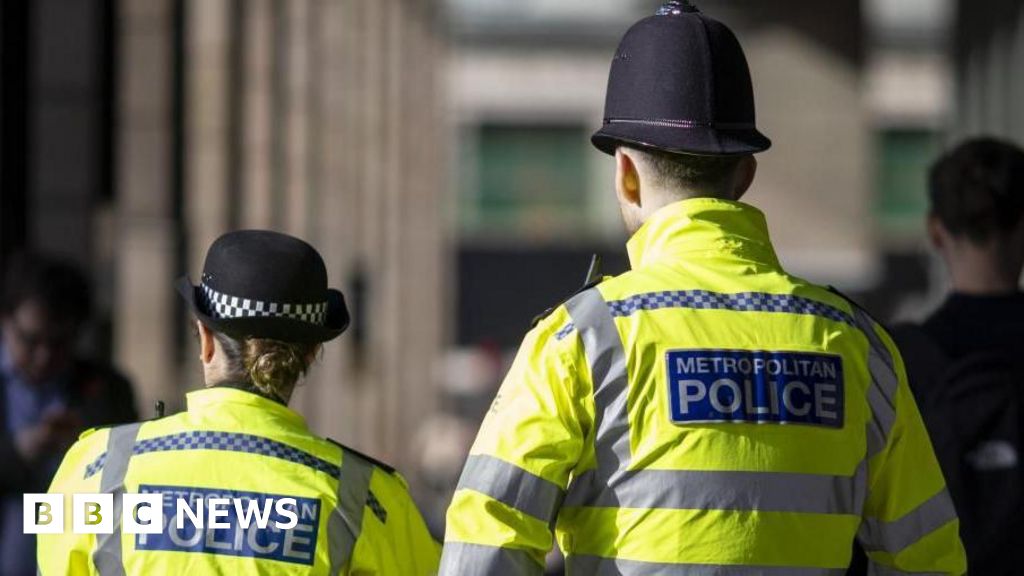
LONDON – Home Secretary Shabana Mahmood is set to outline sweeping policing reforms for England and Wales aimed at putting more officers on the streets, cutting administrative tasks that keep them inside stations, and introducing a national standard for 999 emergency response times.
The Home Office says most forces already set their own response targets but there is no national mechanism to hold them to account if those standards are missed. The package would create that benchmark and a process to intervene when performance falls short, building on the statutory framework set out in the Police Act 1996, which underpins how forces in England and Wales are organised and held to ministerial oversight.
National response-time targets and enforcement
Under the plan, police forces in England and Wales would be required to meet new response-time standards for emergencies:
- Urban areas: response within 15 minutes
- Rural areas: response within 20 minutes
The Home Office says that if forces fail to reach those targets, the home secretary would send in experts from high-performing forces to help improve response times, alongside strengthened performance monitoring and public reporting of whether standards are being met.
Officials argue that a single national yardstick for 999 calls would, for the first time, allow ministers, police and crime commissioners and the public to compare forces on a like-for-like basis, potentially shaping future funding and local accountability debates.
Focus on frontline time, not paperwork
Mahmood will pledge to cut “red tape” and “unnecessary admin” that she says stops officers leaving their stations and spending time in communities.
“People are reporting crimes and then waiting hours or even days for a response.”
The reforms are framed around the premise that quicker attendance at emergencies and less time on internal administration should increase visible policing and public confidence, following years of concern over call-handling delays, officer burnout and pressures linked to recording and inspection requirements under existing policing standards.
The Home Secretary is expected to signal that some reporting or case-management tasks could be shifted from warranted officers to civilian specialists or streamlined through better use of shared digital systems, though details of which duties will change are yet to be set out.
Funding rules under review
Mahmood will also say she wants to change how staffing levels are funded, amid concern that the current “officer maintenance grant” encourages some forces to employ uniformed officers in administrative roles such as IT or human resources.
Revisiting those rules would mark a significant intervention in how forces structure their workforces, potentially requiring chief constables and police and crime commissioners to demonstrate that officers funded as frontline are in roles that involve visible patrol, emergency response or direct victim contact.
The review is expected to look at whether ringfenced funding for specific officer numbers has, over time, distorted decisions on the mix between warranted officers and civilian staff, and whether clearer guidance is needed to ensure taxpayers’ money is tied to front-facing policing.
Political and community reaction
Shadow home secretary Chris Philp criticised the plan, saying “it’s hard to take Labour’s promises seriously when they have stripped more than 1,300 officers from the front line in our communities”. He accused ministers of “repackaging” existing commitments instead of tackling underlying recruitment and retention challenges.
Liberal Democrat home affairs spokesman Max Wilkinson said the government “must deliver” on its promises and “get more officers back onto our streets”, warning that any new targets will quickly lose credibility if not matched by resources and clear enforcement.
Neighbourhood Watch welcomed the direction of travel. Its chief executive, John Hayward-Cripps, called the national response targets a “welcome step forward” toward the “basic expectation that police will respond when you report a crime”. Community groups have long argued that inconsistent 999 performance between forces has eroded trust, particularly in areas with higher levels of anti-social behaviour and acquisitive crime.
What would change for forces
If implemented, the reforms would alter how forces are assessed and organised in several ways:
- National 999 benchmark: A single standard across England and Wales for emergency response, replacing the current patchwork of local targets and giving central government and inspectors a clearer tool to gauge performance.
- Accountability: A defined mechanism for the Home Office to deploy experts to underperforming forces, with the possibility that persistent failure could trigger more formal intervention alongside existing watchdog scrutiny.
- Frontline focus: A commitment to reduce administrative burdens and shift non-essential tasks away from warranted officers, in order to maximise officers’ time on the street.
- Funding model: An intention to revisit staffing grants that, according to concerns outlined by Mahmood, may incentivise the use of uniformed officers in back-office roles rather than on patrol or emergency duty.
The measures apply to England and Wales; policing in Scotland and Northern Ireland is outside Home Office remit and is overseen separately under their own devolved frameworks. For readers comparing systems internationally, the approach is closer to federal-style oversight models, where central government sets common standards but operational control rests with local chiefs and elected commissioners.
Mahmood is due to set out the full proposals in a formal announcement, which will be followed by consultation with police leaders, oversight bodies and community representatives before any legislative or funding changes are finalised.
Related reading
