
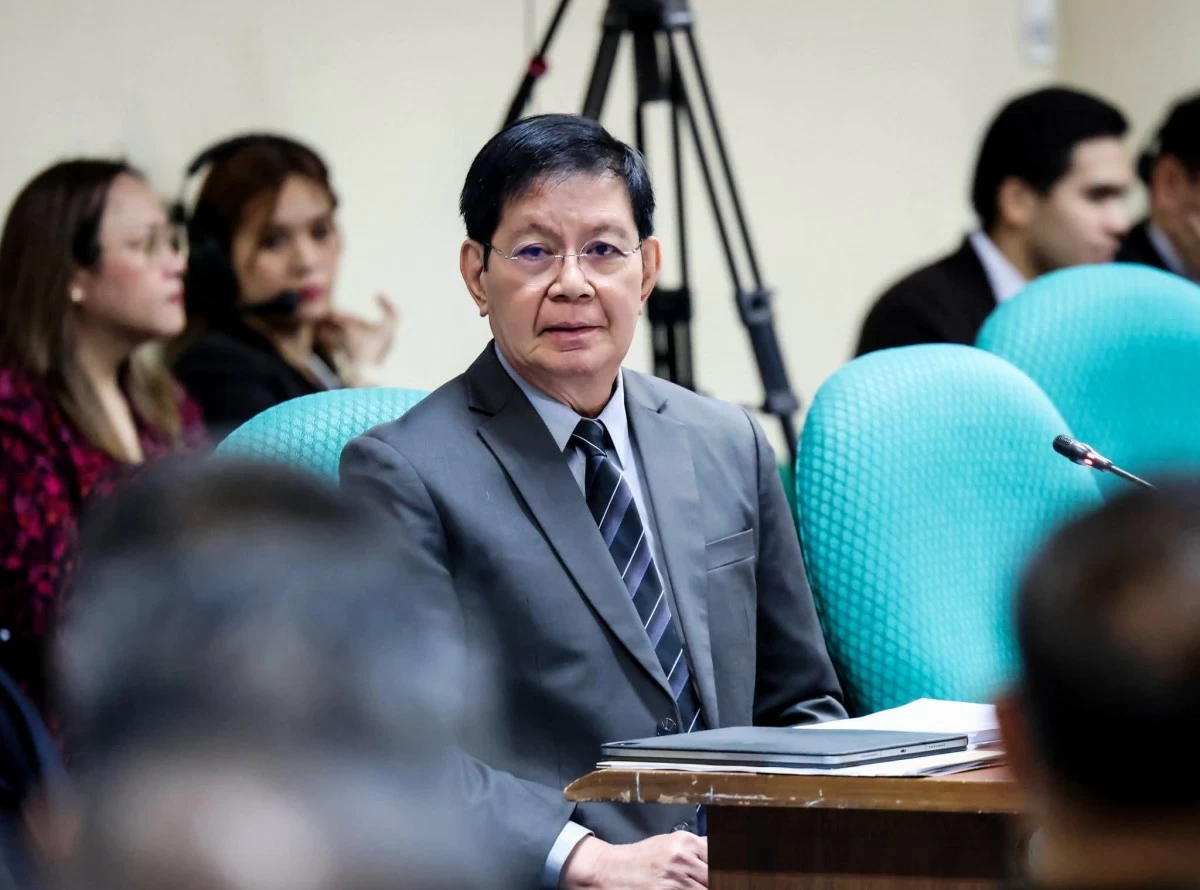
MANILA – Senate President Pro Tempore Panfilo “Ping” Lacson on Friday, April 3, publicly commended Department of Foreign Affairs (DFA) Secretary Maria Theresa Lazaro for obtaining Iran’s assurance of safe passage for Philippine‑flagged vessels, energy shipments, and Filipino seafarers transiting the Strait of Hormuz, following a DFA‑reported call between Lazaro and Iranian Foreign Minister Seyed Abbas Araghchi on Thursday, April 2.
Lacson framed the development as critical to the Philippines, noting that the Hormuz route is used by vessels delivering the country’s oil imports. The DFA, for its part, described Lazaro’s conversation with Araghchi as “very productive” and said Tehran assured “safe, unhindered, and expeditious passage through the Strait of Hormuz of Philippine‑flagged vessels, energy sources, and all Filipino seafarers.” The assurance comes as the Marcos administration seeks to insulate the country’s energy security and overseas workforce from spillover risks arising from tensions in the broader Middle East.
What the officials said
“Our commendation and gratitude to DFA Secretary Maria Theresa Lazaro for quietly and efficiently negotiating with Iran to allow passage of vessels through the Strait of Hormuz that deliver 80% to 100% of the Philippines oil imports,”
Lacson wrote on X on April 3, characterizing Lazaro’s engagement as “quiet diplomacy” and stressing that the agreement was reached without public escalation or rhetoric.
According to the DFA, Lazaro’s call with Araghchi on April 2 yielded Iran’s specific commitment to allow transit for Philippine‑flagged vessels and Filipino crews. Lazaro said the assurance is vital to the country’s energy security and to the safety of Filipino seafarers operating in the area, noting that the Philippines-through its Department of Foreign Affairs and its foreign service posts-is mandated to protect overseas Filipinos and safeguard critical sea lanes integral to the country’s economy.
Why the Strait matters to the Philippines
The Strait of Hormuz is the narrow maritime chokepoint linking the Persian Gulf to the Gulf of Oman and the Arabian Sea. Tankers serving Asian markets routinely pass through its waters, making it one of the world’s most strategically sensitive waterways. For the Philippines, continued access supports domestic fuel supplies and maritime employment, issues highlighted by recent pump prices that have risen to above ₱100 per liter in the country, levels officials and industry analysts describe as historically rare and politically sensitive.
The country’s vulnerability is twofold: it relies heavily on imported oil that must transit Hormuz, and it deploys one of the world’s largest contingents of merchant seafarers. Any disruption could strain the government’s ability to stabilize fuel prices-an area closely monitored by economic managers and regulators-and to meet its obligations to protect overseas Filipino workers under Philippine law.
Diplomatic steps cited by Manila
The DFA said Lazaro previously asked the Iranian side to designate the Philippines a “non‑hostile country” and to guarantee safe passage for Philippine‑flagged vessels and oil deliveries. The assurance reported on April 2 followed that outreach and was framed by Manila as a concrete outcome of back‑channel and formal exchanges anchored in the Philippines’ foreign policy framework under the 1987 Constitution, which tasks the state to pursue an independent foreign policy while prioritizing national sovereignty, territorial integrity, national interest, and the right to self‑determination through its conduct of external relations.
Key dates provided by Philippine officials:
- April 1, 2026 (Wednesday): Lacson urged prayers that the country and the world weather what he termed “Trump‑26,” linking economic pressures-including fuel costs-to what he described as U.S. President Donald Trump’s “whimsical arrogance in treating even the US’ long‑time allies.” His remarks were presented as his view and came amid market unease over oil supply and shipping risks.
- April 2, 2026 (Thursday): The DFA reported Lazaro’s “very productive” call with Araghchi and Iran’s assurance of safe, unhindered, and expeditious passage for Philippine‑flagged vessels, energy cargoes, and Filipino seafarers through Hormuz. The department said the engagement formed part of broader contingency planning with relevant Philippine agencies overseeing energy, maritime transport, and overseas workers.
- April 3, 2026 (Friday): Lacson issued his public commendation of Lazaro’s “quiet diplomacy,” effectively placing Senate leadership on record in support of the DFA’s approach and signaling legislative awareness of the stakes for the national economy.
Political and alliance context
Lacson’s comments arrive amid charged regional and global tensions referenced by Philippine officials. The Philippines has been a treaty ally of the United States since 1951 under the Mutual Defense Treaty, a relationship that frequently intersects with Manila’s energy and maritime security considerations in contested or vulnerable sea lanes. At the same time, successive Philippine administrations have emphasized the need to maintain working relations with Middle Eastern states that host large Filipino communities and control key energy routes.
Within that balancing act, the DFA’s engagement with Iran over Hormuz is being presented by Philippine officials as narrowly focused on the protection of Philippine‑flagged shipping, energy cargoes, and seafarers, rather than as a broader political realignment. It also dovetails with ongoing efforts by the Philippine government to diversify energy sources and strengthen crisis‑response coordination across agencies dealing with supply shocks and overseas Filipino welfare.
As of April 3, 2026, the DFA says Iran has assured safe, unhindered, and expeditious passage for Philippine‑flagged vessels, energy shipments, and Filipino seafarers through the Strait of Hormuz, following Lazaro’s April 2 phone call with Araghchi. Philippine officials say they will continue to monitor developments in the waterway and coordinate with partners and domestic regulators to manage any residual risks to supply, shipping, and overseas workers.
Related reading
