
The Precision Engineering of Glioblastoma Immunotherapies
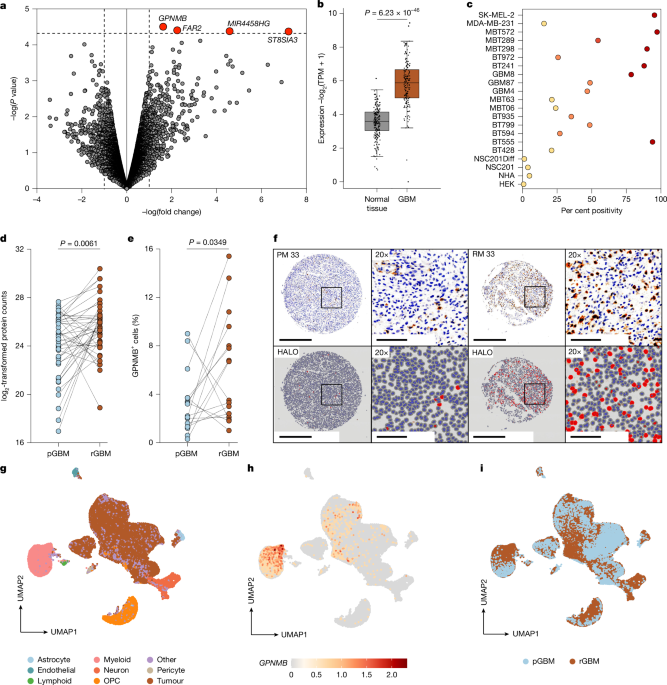
The pursuit of effective treatments for glioblastoma (GBM), the most aggressive form of primary brain cancer, has shifted toward the development of highly specific cellular therapies. Recent research into the molecular landscape of these tumors has identified GPNMB (Glycoprotein Nonmetastatic Melanoma Protein B) as a critical target for immunotherapy. By leveraging Chimeric Antigen Receptor (CAR) T-cell technology, researchers are attempting to reprogram the patient’s own immune system to recognize and eliminate malignant cells while sparing healthy brain tissue.
This approach represents a transition from systemic chemotherapy, which often struggles to penetrate the blood-brain barrier, to a targeted biological intervention. The complexity of this process requires a rigorous integration of genomic sequencing, patient-derived stem cell cultures, and advanced animal models to ensure that the engineered cells can survive and function within the hostile environment of the central nervous system. It is a form of precision oncology that depends on matching a highly engineered therapy to a clearly defined molecular signature inside each patient’s tumor.
Overcoming the Immunosuppressive Microenvironment
One of the primary hurdles in treating GBM is not merely the presence of the tumor, but the “shield” it creates. Glioblastomas recruit and reprogram various immune cells, including macrophages, to create an environment that suppresses the activity of T-cells. This biological camouflage allows the tumor to evade the immune system even when CAR-T cells are introduced, blunting responses that would otherwise be effective in blood cancers.
To address this, current investigative frameworks utilize triple co-cultures-combining glioblastoma stem cells, macrophages, and T-cells-to simulate the actual conditions of a human tumor. These models are increasingly coupled with spatial transcriptomics and high-resolution imaging to track how engineered T-cells behave once they encounter tumor-associated immune cells. Understanding how macrophages facilitate immune evasion is essential for developing the next generation of therapies that can not only target the cancer cells but also dismantle the protective barriers surrounding them, potentially in combination with immune checkpoint inhibitors or myeloid-targeted drugs.
| Therapeutic Challenge | Mechanism of Resistance | Research Mitigation Strategy |
|---|---|---|
| Blood-Brain Barrier | Prevents systemic drugs and circulating immune cells from efficiently reaching the tumor site. | Intracranial or intraventricular administration of CAR-T cells; exploration of focused ultrasound and convection-enhanced delivery. |
| Tumor Heterogeneity | Varying gene expression and antigen density across different tumor regions and over time. | Multi-marker RNA-seq, single-nucleus sequencing, and longitudinal sampling to refine antigen selection and dosing. |
| Immune Suppression | Macrophage-mediated inhibition of T-cell activation and secretion of immunosuppressive cytokines. | Analysis of GPNMB expression in tumor-associated macrophages and design of CAR constructs and adjuvant agents that reprogram or bypass myeloid cells. |
Institutional Oversight and Regulatory Requirements
The transition of CAR-T therapies from laboratory settings to clinical application is governed by stringent regulatory frameworks that sit at the intersection of drug, biologic, and gene therapy law. In major markets such as the United States and European Union, these products are treated as advanced therapy medicinal products, bringing them under the authority of regulators such as the U.S. Food and Drug Administration’s cellular and gene therapy program. Because these therapies involve the genetic modification of human cells, they fall under rigorous oversight regarding biosafety, long-term follow-up, and ethical review.
The use of human samples requires strict adherence to informed consent and approval from institutional research ethics boards, ensuring that tissue collection and genomic data usage are transparent, traceable, and protected under privacy law. In parallel, institutional biosafety committees and hospital review boards assess how modified cells are handled, stored, and administered, with particular scrutiny on any vectors that permanently alter the genome.
Furthermore, the production of these therapies necessitates a specialized healthcare infrastructure. The “vein-to-vein” cycle-where cells are extracted from a patient, genetically modified in a sterile facility, and then re-infused-requires a highly coordinated workforce and sophisticated cold-chain logistics. This infrastructure presents a significant economic and accessibility challenge, as only a few specialized centers globally possess the capacity to manufacture and administer these personalized treatments. For health ministries and payers, the question is no longer just whether CAR-T works, but whether national systems can sustainably scale capacity, reimbursement, and long-term safety monitoring.
Translational Pathways and Population Impact
For a therapy to move from a mouse model to a human patient, it must demonstrate not only efficacy but a manageable safety profile. Early-stage trials typically begin in small, heavily pretreated patient cohorts, with dose-escalation designs that allow regulators to observe severe toxicities such as cytokine release syndrome or neurotoxicity in real time. The risk of “off-target” toxicity-where the CAR-T cells attack healthy cells expressing similar proteins-remains a primary concern for regulators and ethics boards. The use of National Cancer Institute standards in evaluating tumor burden, response criteria, and survival rates is critical for establishing the viability and comparability of these treatments across centers.
The broader public health goal is to move beyond the current standard of care, which typically includes surgery, radiation, and alkylating chemotherapy, toward a personalized oncology model in which antigen-targeted therapies are mapped to each patient’s tumor profile. For policymakers and hospital systems, that shift carries implications for budgeting, workforce training, and equitable trial access, particularly for patients treated outside major academic centers.
The impact of successfully deploying GPNMB-targeted therapies could be measured by several key metrics:
- Progression-Free Survival: Extending the duration that a patient remains stable without tumor growth, especially in recurrent GBM where existing options are limited.
- Treatment Toxicity: Reducing the systemic side effects associated with traditional alkylating agents, while carefully monitoring immune-related events specific to CAR-T platforms.
- Precision Diagnostics: Integrating RNA sequencing and advanced pathology into routine workflows to identify which patients express the relevant target proteins at sufficient levels.
- Healthcare Capacity: Expanding the number of certified facilities capable of handling adoptive cell transfers, and embedding data registries to track outcomes across regions and demographic groups.
As these biological interventions progress through the regulatory pipeline, the focus remains on balancing the urgency of treating a fatal disease with the necessity of evidence-based safety protocols. National regulators, hospital networks, and research consortia are increasingly aligning genomic discovery with World Health Organization frameworks for cancer control, so that breakthroughs in the lab can be translated into population-level benefit rather than niche, high-cost exceptions. For patients with glioblastoma, that alignment may ultimately determine whether precision-engineered immunotherapies become standard care or remain confined to experimental programs.
- Global Antimicrobial Resistance Action: Surveillance Networks and Novel Bacteriophage Therapies in Late 2026
- Wearable Biosensors and Continuous Metabolic Monitoring: Preventive Healthcare’s Next Frontier
- Two Iranian nationals charged with terror plot targeting Manchester Jewish community (globallypulse.com)
