
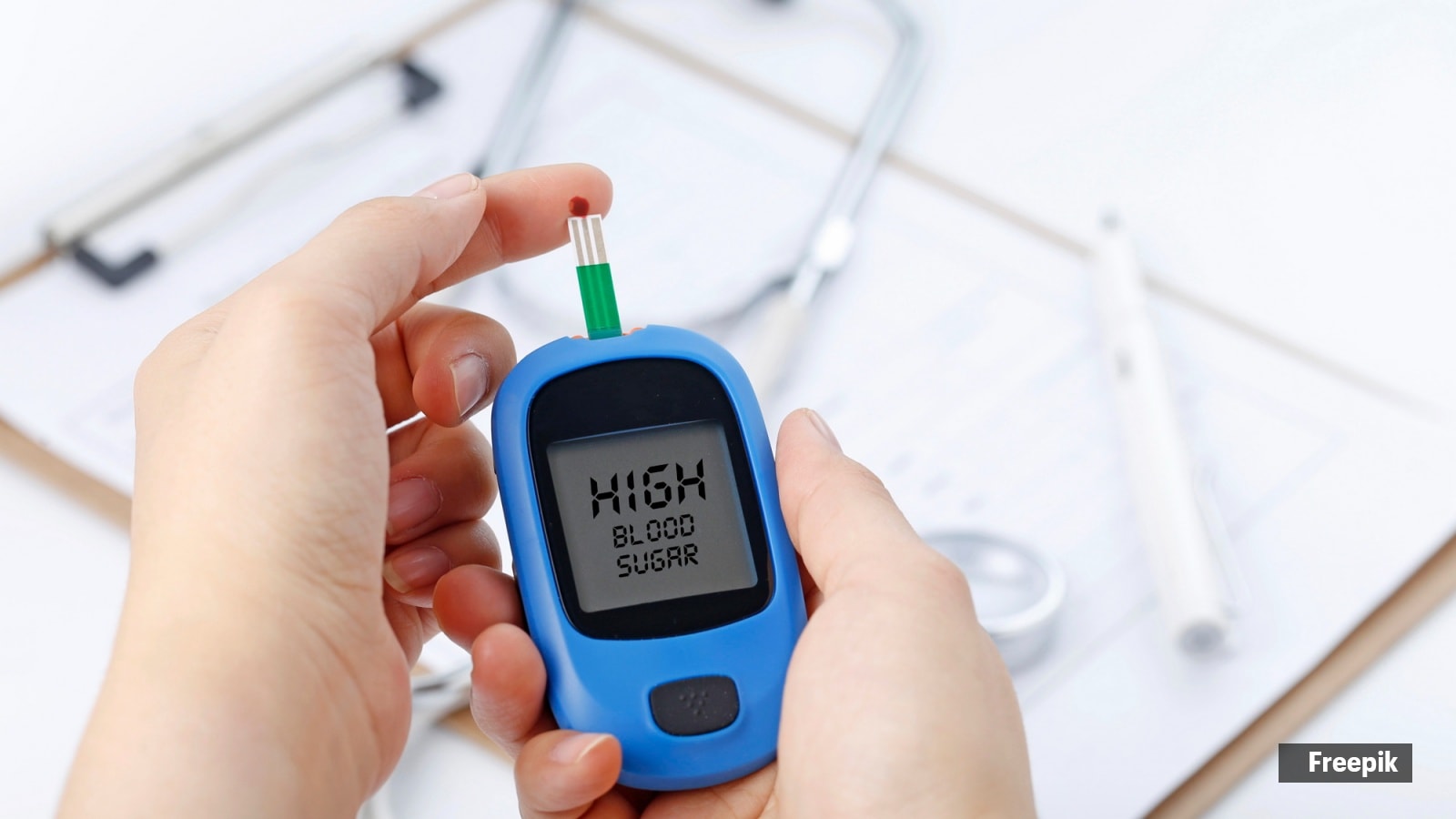
Public debate over “How do I know that I am insulin resistant?” has grown louder, propelled by podcast exchanges that spotlight everyday clues such as skin tags and expanding waistlines. Those signals matter, but they do not replace diagnostic testing or clinical evaluation. In a conversation with GlobalHeadlinez, Dr Himika Chawla, Senior Consultant, Endocrinology and Diabetology, PSRI Hospital, Delhi, set out what visible signs can – and cannot – tell us, and where health systems should focus to catch metabolic risk earlier and more equitably.
What visible signs can and cannot tell you
“Skin tags and a growing waistline can be early visible clues of insulin resistance, especially when fat accumulates around the abdomen,” says Dr Chawla. She adds a caution that anchors responsible care: “These signs alone are not reliable for diagnosis. Many people may have skin tags without metabolic issues, while others with insulin resistance may show no obvious physical signs,” Dr Chawla clarifies. “Blood tests such as fasting glucose, fasting insulin and HOMA-IR are necessary for proper confirmation,” she emphasises. Those tests assess how the body is responding to insulin rather than guessing from appearance alone.
How strong are the links with erectile dysfunction and PCOS?
“There is a strong link between insulin resistance and both erectile dysfunction and Polycystic Ovary Syndrome,” she explains. In men, vascular and hormonal pathways are implicated: “It impairs blood vessel function and may alter testosterone levels, increasing the risk of erectile dysfunction,” says Dr Chawla. In women, insulin resistance intersects with reproductive hormones: “It triggers excess androgen production, leading to irregular menstrual cycles, acne, weight gain and fertility challenges,” she notes. The nuance is critical for clinicians and patients alike: “Not every case of ED or PCOS is caused by insulin resistance, but it is a major contributing factor in many patients.”
Clinical tests in practice: what each one is used for
| Test | What it assesses | Typical use in care | Limitations/notes |
|---|---|---|---|
| Fasting plasma glucose (FPG) | Baseline glycemia after an overnight fast | Broad screening for dysglycemia in primary care | Can miss early dysregulation; single value lacks context |
| Fasting insulin + HOMA‑IR | Proxy for insulin sensitivity using fasting glucose and insulin | Research and specialty practice to gauge insulin resistance | Assay variability; no universal cut‑offs; not a stand‑alone diagnostic |
| Oral Glucose Tolerance Test (OGTT) | Glycemic response after a glucose load | Clarifies impaired glucose tolerance; risk stratification | More time‑intensive; patient preparation affects results |
| Hyperinsulinemic‑euglycemic clamp | Direct measurement of insulin sensitivity | “The hyperinsulinemic-euglycemic clamp is considered the gold standard, but it is primarily used in research settings,” Dr Chawla explains. | Resource‑intensive; not used in routine clinical care |
Where health systems focus screening and coverage
Population screening targets dysglycemia rather than “insulin resistance” per se. Major U.S. preventive guidance recommends screening adults in higher‑risk groups for prediabetes and type 2 diabetes; under federal coverage rules, most private plans must cover Grade A/B preventive services without patient cost‑sharing, as defined by the Affordable Care Act’s preventive services framework. In practice, that steers reimbursement toward glucose‑based tests, not fasting insulin assays, and shapes which investigations are realistically available in everyday primary care.
| Setting | Policy lever | What typically happens | Equity considerations |
|---|---|---|---|
| U.S. primary care | Preventive screening recommendations; insurance coverage mandates | FPG, A1C, or OGTT prioritized; fasting insulin/HOMA‑IR used selectively | Uninsured/underinsured adults face access gaps despite community clinics |
| India public sector | National NCD screening integrated in Health & Wellness Centres | Opportunistic and community screening for diabetes and hypertension (glucometers, basic labs) | Rural reach improving; confirmatory testing and longitudinal follow‑up vary by state capacity |
For governments, these design choices are not purely technical. They determine which forms of metabolic risk are routinely detected, which patients qualify for subsidised care, and where early intervention budgets are likely to flow over the next decade.
What early risk looks like at the population level
- Metabolic risk concentrates where central obesity, physical inactivity, and energy‑dense diets are common.
- Co‑occurring conditions – PCOS, gestational diabetes history, sleep apnea, and family history of type 2 diabetes – elevate risk.
- Cardiometabolic outcomes associated with insulin resistance include type 2 diabetes, atherosclerotic cardiovascular disease, and nonalcoholic fatty liver disease.
For health planners, these clusters of risk translate into rising burdens on cardiology, nephrology and primary‑care services, and into long‑term fiscal pressure on public insurance and social‑protection systems.
Signals in everyday life versus diagnostic thresholds
- Everyday signals that may prompt evaluation:
- Clusters of small, soft skin tags, especially around the neck and underarms
- Increasing waist circumference or central adiposity
- Menstrual irregularity, acne, or hirsutism suggestive of PCOS
- Erectile dysfunction with vascular risk factors
- Why evaluation still matters:
- Physical signs are neither necessary nor sufficient for diagnosis.
- Laboratory measures and clinical history together determine risk category and treatment pathways.
How clinicians frame management without overpromising
“In its initial stages, insulin resistance can be significantly improved – and sometimes reversed – with lifestyle changes,” says Dr Chawla. In clinical programs, multidisciplinary teams typically prioritise the following domains to reduce overall metabolic risk rather than chase a single number:
- Weight reduction targets aligned to cardiometabolic benefit
- Structured physical activity and sedentary time reduction
- Dietary patterns with adequate protein and fibre
- Sleep regularity and duration
- Stress and mental‑health support
For patients with established dysglycemia or complex presentations, clinicians escalate care: “If insulin resistance has progressed to prediabetes, type 2 diabetes or severe PCOS, medications such as metformin may be needed alongside lifestyle modification,” she explains. Early identification helps deploy the least intensive, most sustainable interventions first, which is increasingly central to payer strategies aimed at containing downstream hospital costs.
Why terminology matters for patients and payers
- “Insulin resistance” is a physiologic concept, not a universally coded diagnosis; coverage decisions usually hinge on documented dysglycemia, PCOS, or cardiovascular risk.
- Assay variability for fasting insulin and the absence of universal HOMA‑IR cut‑offs complicate standardization across labs and regions.
- Clear documentation of risk factors and glucose abnormalities supports continuity of care and appropriate referrals.
That language gap – between what patients hear online and what appears in medical records and claims data – shapes which services are reimbursed and which remain out‑of‑pocket, particularly in mixed public-private systems.
Public‑health strategies that shift risk at scale
- Built‑environment changes that make walking and active transport safer and more convenient.
- Nutrition standards in schools and public procurement to improve diet quality.
- Workplace policies that support movement breaks and healthier food options.
- Community screening events linked to primary‑care follow‑up, not stand‑alone testing.
- Data systems that close the loop on abnormal results and reduce loss to follow‑up.
Each of these levers depends on coordination between health ministries, municipal planners, education authorities and employers – a reminder that insulin resistance is not only a clinical challenge but also a policy and governance test.
A note on definitions and expectations
Clinical teams ground assessment in established constructs of insulin resistance and dysglycemia, using tests that are practical, standardised, and equitable. Visible clues can spark timely evaluation, but durable progress depends on accessible primary care, stable reimbursement for preventive services, and support for patients managing long‑term risk.
What is insulin resistance (Photo: Freepik)
This public‑interest health report is informational and does not substitute for individualized medical care.
Worth a look
