
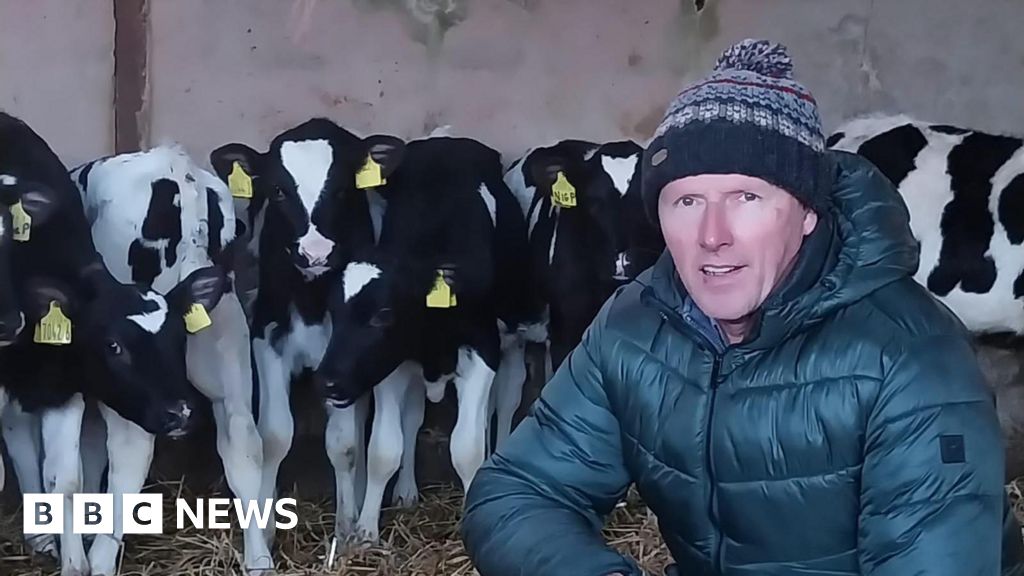
A working day that masked a medical emergency
In February 2024, Portrush farmer Robert Nevin woke in the night with what he thought was indigestion. By morning he headed out as usual to milk and feed the herd. “When I woke up that morning, I had a defined pain in my chest,” he recalled. “I described it like someone smacking me with a fist.”
The routine felt non‑negotiable. “It has to be done, it doesn’t matter what is happening, that has to be done every day,” he said. He worked for five hours before returning home at midday, still unwell. His wife, Lorna, a nurse, recognised the urgency – but Nevin insisted on driving himself to Causeway Hospital in Coleraine as the pain was “ramping up”. Tests confirmed a heart attack. “It was quite a shock,” Nevin said. The news, he added, hit him “like a ton of bricks”. “You’re just coming from total normality and routine to ‘bang’.”
| Timeline in February 2024 | Event |
|---|---|
| Overnight | Wakes with chest pain, assumes indigestion. |
| Early morning | Works on the farm for approximately five hours. |
| About midday | Returns home still in pain; drives to Causeway Hospital. |
| Same day | Diagnosed with heart attack; blue‑light ambulance transfer to Altnagelvin Hospital in Londonderry. |
| Following days | Stent fitted; discharged on medication. |
| Weeks later | Begins a 12‑week cardiac rehabilitation programme. |
‘Time is muscle’ and how systems are designed to respond
Modern cardiac networks are built to minimise delays from the first medical contact to treatment. Within the UK’s emergency care system, heart-attack pathways are shaped by national clinical standards and commissioning guidance set under the National Health Service Act 2006, which places duties on public authorities to secure timely, effective care.
Once a heart attack is suspected, paramedics transmit electrocardiograms to specialist teams and, where appropriate, patients are routed directly to centres that can perform urgent angioplasty and stenting. In Nevin’s case, the pathway involved initial assessment at a local hospital followed by a rapid ambulance transfer to a higher‑acuity centre for the procedure.
- Faster reperfusion reduces loss of heart muscle and improves survival.
- Pre‑hospital triage and direct transfer protocols are designed to avoid time‑consuming detours.
- Driving oneself can bypass these safeguards and limit access to critical pre‑hospital assessment and on‑route monitoring.
Work, culture and delayed care in high‑demand jobs
Nevin’s story highlights the pull of essential work – particularly in farming, where livestock care cannot be deferred and where many businesses are family‑run. “Dairy cows just demand every night and every morning,” Nevin said. Workplace norms that prize stoicism and continuity of labour can delay care‑seeking even when symptoms escalate, especially in rural economies that depend on small numbers of key workers.
After treatment, he reassessed workload and risk. “Long story short, we sold our milking cows,” he said. “We just don’t have to be there every day,” he added. “That’s a massive weight off my mind.” His decision mirrors wider debates in agricultural policy about resilience, succession and how health shocks can tip family farms into structural change.
Cardiac rehabilitation as a bridge back to everyday life
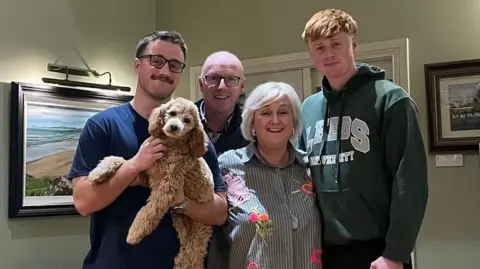
Structured cardiac rehabilitation is a cornerstone of recovery after a heart attack. These programmes combine supervised activity, medication review, and education about risk reduction in a way that is tailored to individual capacity and health status. In Northern Ireland, as elsewhere in the UK, provision is planned and audited through national cardiac networks to ensure equitable access and consistent standards.
Nevin’s 12‑week course reflects standard practice aimed at improving long‑term outcomes and confidence after a stent procedure.
- Typical components: monitored exercise, support for returning to work, psychological support, and guidance on managing cardiovascular risk.
- System goals: fewer readmissions, better quality of life, and safer re‑engagement with daily routines and employment.
Population burden in Northern Ireland
Cardiovascular disease remains a leading cause of death and disability across Northern Ireland. For health planners and finance officials, the trend is moving in the wrong direction: recent mortality figures show a reversal of earlier gains, underlining the importance of prevention, timely care and rehabilitation within regional health‑service priorities.
| Measure (Northern Ireland) | Latest figure referenced |
|---|---|
| Deaths from cardiovascular disease in 2023 | 4,227 (highest annual total since 2012) |
| Indicative monthly bereavements linked to cardiovascular conditions | About 350 families each month |
Those figures sit alongside wider pressures on emergency services, with rural communities such as Portrush – a seaside town on Northern Ireland’s Causeway Coastal Route – balancing tourism‑driven demand with the needs of year‑round residents.
Recognising symptoms and the role of emergency pathways
Heart attacks do not always present with dramatic symptoms; some begin with discomfort that can be mistaken for indigestion, and some occur without chest pain, particularly among women, older adults and people with diabetes. The NHS provides plain‑language descriptions of common signs and why rapid assessment matters in suspected cases of heart attack. For concise, clinically vetted information on symptoms and medical emergencies, see official NHS guidance on heart attack symptoms.
- Typical warning features can include central chest pressure or tightness, shortness of breath, sweating, lightheadedness, and pain that may spread to the arms, jaw, neck, back, or upper abdomen.
- Symptoms may be mild or atypical; escalation over minutes to hours is common and should not be ignored.
- Emergency services protocols prioritize rapid diagnosis and direct transfer to centres able to deliver urgent angioplasty, but these safeguards depend on patients or bystanders calling for help early.
From personal experience to public‑health message
Nevin hopes his experience lands beyond the farm gate. “The easiest thing for all of us is just to ignore signs or feelings within your body,” he said. “Be aware of your blood pressure, your cholesterol, go along to a health centre and get that taken and at that point at least you can be proactive.”
He reaches for an analogy that resonates in rural communities: “We service our cars, we service our tractors, but wouldn’t it be good if we could have a little check up on ourselves now and again. Look into your health and don’t ignore signs.” For policymakers seeking to shift more care into prevention and early intervention, stories like Nevin’s offer an on‑the‑ground view of how advice on risk factors is, or is not, absorbed in everyday life.

A community‑level response
Marking 65 years of work in cardiovascular research and patient support, a charity initiative is installing 65 red benches around the UK to acknowledge those living with heart and circulatory disease. A bench honouring Nevin is due in the Portrush/Causeway area next month – a public reminder that timely recognition, strong emergency pathways and effective rehabilitation are community assets, not just hospital functions.
Visible symbols such as the red benches are intended to complement, not replace, formal investment decisions on ambulance cover, specialist cardiac capacity and rural health outreach. For councils and devolved health departments, they are also prompts to consider how public spaces, from seafronts to market towns, can be used to normalise conversations about cardiovascular risk.
At‑a‑glance: factors that shape risk and outcomes
- Common risk factors: high blood pressure, high cholesterol, smoking, diabetes, family history, and limited physical activity.
- Contextual drivers of delay: rural distance to specialist centres, work pressures that discourage stopping, and under‑recognition of atypical symptoms.
- System measures that help: pre‑hospital ECG transmission, specialist cardiac networks, and access to evidence‑based rehabilitation.
Related reading
