
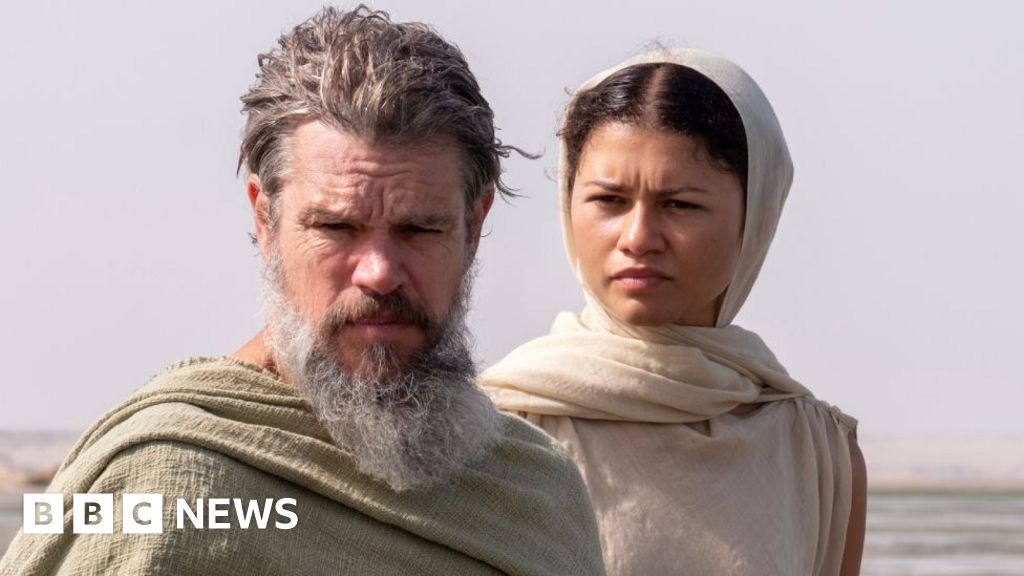
LONDON – Initial critical evaluations of The Odyssey have entered the public domain, indicating a predominantly positive reception for the new production directed by Christopher Nolan.
The film, featuring Matt Damon and Zendaya, represents a shift into the “swords-and-sandals” epic genre for Nolan. The early critical response highlights a tension between the director’s characteristic large-scale technical ambition and a more focused approach to character study.
Critical Reception and Narrative Scope
Early reviews describe the film as a “breathtaking epic of men, monsters and moral metamorphosis.” Several critics have characterized the work as “god-tier,” while others have identified it as Nolan’s “most human epic yet.” Those reactions position the film as a high-profile test of audience appetite for large-scale theatrical releases at a time when the global box office is still recalibrating its post-pandemic norms.
The production is described as a “swords-and-sandals epic every bit as grandiose and outsized as you’d expect from Christopher Nolan,” with particular attention to its practical effects, large-format cinematography and the director’s continuing interest in non-linear structure and moral ambiguity.
Despite the majority of early praise, initial consensus is not unanimous. The first review posted to Rotten Tomatoes is reported as “not glowing,” underscoring the degree to which early sentiment remains fluid ahead of wider critical aggregation and audience scores. As with other major studio releases, those responses will feed into market expectations that shape distribution strategies within the regulatory framework overseen by bodies such as the British Board of Film Classification.
Production, Casting and Industry Stakes
The film utilizes a high-profile cast to lead its narrative:
- Matt Damon
- Zendaya
Additional ensemble casting and the choice to adapt Homer’s canonical epic position the film squarely within the awards-season conversation and the continuing debate over whether established intellectual property and recognizable brands can reliably anchor cinema’s economic model.
The project adheres to Nolan’s established pattern of utilizing expansive scale and complex thematic structures, applied here to a classical epic framework. Shot and released as a large-format theatrical title, it arrives amid ongoing negotiations in major film markets over streaming windows, theatrical exclusivity and cross-border content quotas, areas shaped in Europe by instruments such as the Audiovisual Media Services Directive.
Current status: The film is in the critical review phase prior to wide release, with studio and exhibitors closely watching the trajectory of early reactions as an indicator of box office performance, downstream licensing value and the prospects for auteur-driven epics within the current regulatory and commercial environment for global film distribution.
Keep reading
