
BRUSSELS – The European automotive sector is lobbying for the inclusion of the United Kingdom, Turkey, and Morocco in the European Union’s new industrial procurement and subsidy framework to prevent the disruption of deeply integrated supply chains.
The European Automobile Manufacturers Association (Acea) on July 1 urged Brussels to grant these nations “justified, targeted exemptions” to the rules. Under the proposed Industrial Accelerator Act (IAA), cars and components must be manufactured within the EU to qualify for public procurement or state subsidies, mirroring the more restrictive approach to industrial support set out in recent updates to the EU’s foreign subsidies regulation.
The legislation is designed to insulate the bloc from “China shock 2.0,” characterized by an influx of heavily subsidized Chinese exports that have undercut European pricing and raised political pressure on Brussels to safeguard domestic manufacturing. However, because the IAA applies strictly to EU member states, the rules threaten to exclude British manufacturers from their primary export destination and risk collateral damage to plants in Turkey and Morocco that feed into EU-based assembly lines.
Supply Chain Integration and Corporate Exposure
The automotive industry operates via a cross-border value chain where ownership often diverges from the location of assembly. Vehicles are routinely designed in one member state, rely on components sourced from a second, and are finally assembled in a third before being shipped across the single market. Several of the EU’s largest automotive groups maintain critical production hubs in the UK that would be disadvantaged under the current IAA draft, raising questions over how “European content” should be defined for the purposes of subsidy control.
Current ownership and manufacturing exposures include:
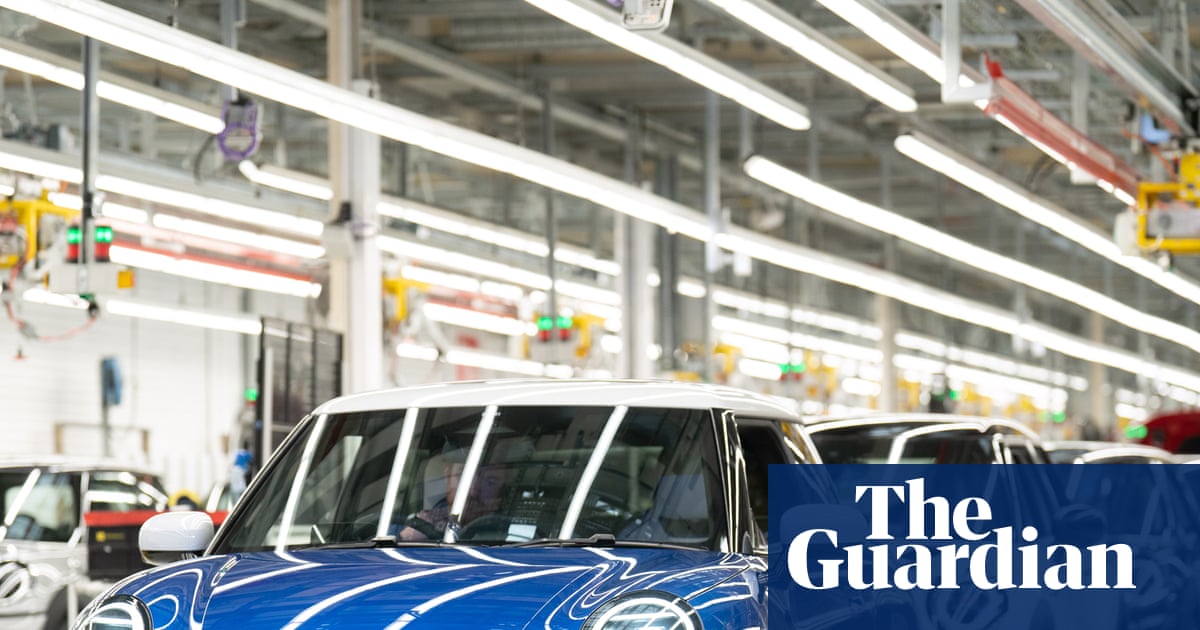
- BMW: Operates the Mini plant in the UK, supplying both the domestic market and the EU27.
- Volkswagen Group: Operates the Bentley plant in the UK, relying on a supplier network that stretches across Germany and Central Europe.
- Stellantis: Operates the Vauxhall plant in the UK, integrated into its wider European production footprint.
- Other Group Members: JLR, Ford, and Toyota maintain significant UK manufacturing operations that depend on frictionless access to EU markets.
Nissan has privately indicated that its Sunderland facility could face closure if the UK is excluded from the “Made in Europe” provisions. This risk is acute given that more than half of all UK car exports are destined for the EU, making eligibility for EU public tenders and green-transition subsidies a material factor in boardroom decisions on future investment.
“The European automotive industry operates a deeply integrated value chain with the UK, even post-Brexit. Vehicles, components and batteries made in the UK should therefore hold the same status as those made in the EU27 – with equal access to every policy instrument.”
Mike Hawes, chief executive of the Society of Motor Manufacturers and Traders (SMMT), stated on June 30 that the rules would “effectively shut out UK-assembled vehicles from most of the European market.” Hawes described the potential exclusion as “one of the most spectacular own goals in history,” noting that many UK plants are owned by European entities and that the burden of adjustment would ultimately fall on EU-based shareholders, workers, and regional economies.
Macroeconomic Pressures and the China Deficit
The drive for the IAA is rooted in a widening trade imbalance and a broader industrial policy shift in Brussels. The EU’s trade deficit with China currently runs at €1bn (£860m) per day and is projected to reach nearly €400bn in China’s favor by the end of the year, sharpening calls from member states for a more assertive response to foreign state support in strategic sectors such as electric vehicles and batteries.
This economic pressure has led to significant corporate restructuring within the bloc. Volkswagen recently proposed cutting as many as 100,000 jobs in Europe as part of a broader effort to combat the loss of market share to Chinese competitors and to reallocate capital towards electrification and software. Similar efficiency drives at other manufacturers have reinforced concerns in national capitals about Europe’s exposure to external shocks and the political fallout of industrial decline in key regions.
The IAA is a French-led initiative, meaning any modifications to the draft will require the approval of President Emmanuel Macron, whose government has championed a more interventionist industrial policy and tighter screening of foreign-subsidised bids for public contracts. While Acea is heavily influenced by German members, the two nations have different strategic exposures; Germany maintains extensive manufacturing footprints within China, leaving Berlin more sensitive to retaliation even as it faces domestic pressure to curb dependence on Chinese demand.
The German chancellor, Friedrich Merz, has proposed a “plaza accord” to curb Chinese economic influence and has identified an “artificially low” yuan as a primary driver of the trade surplus. This move aligns with warnings from the Centre for European Reform that Germany must address the threat of deindustrialization and avoid a scenario in which high-value manufacturing migrates to jurisdictions offering larger subsidies or easier market access.
Regulatory and Diplomatic Status
The EU is currently attempting to balance industrial sovereignty with the need to avoid a full-scale trade war and preserve the integrity of the single market. Officials in Brussels argue that any exemptions under the IAA must be tightly framed to avoid creating loopholes that Chinese manufacturers could exploit via assembly operations in nearby non-EU countries.
On June 29, the EU and China agreed to enter three months of diplomatic negotiations to address the trade deficit and to de-escalate parallel disputes over electric-vehicle tariffs and state aid disciplines. The talks will run in parallel to the EU’s internal legislative process on the IAA, leaving policymakers to juggle external diplomacy with intense lobbying from domestic industry.
The potential for “stranded investments” remains a primary concern for the industry. Acea warned that excluding existing factories would weaken European competitiveness at a critical juncture for the transition to electric mobility and industrial strategy, undermining the objectives of the EU’s own green and digital transition plans set out in its updated industrial strategy.
The UK government is currently attempting to negotiate these exemptions. Britain’s Europe affairs minister, Nick Thomas-Symonds, met with EU trade commissioner Maroš Šefčovič on July 1 to discuss the progress of UK-EU relations, with the Industrial Accelerator Act as a central item on the agenda. The outcome of those talks, and of the parallel debates among member states, will determine whether the IAA becomes a cornerstone of Europe’s response to Chinese overcapacity or a flashpoint in its relations with key manufacturing partners on its doorstep.
