
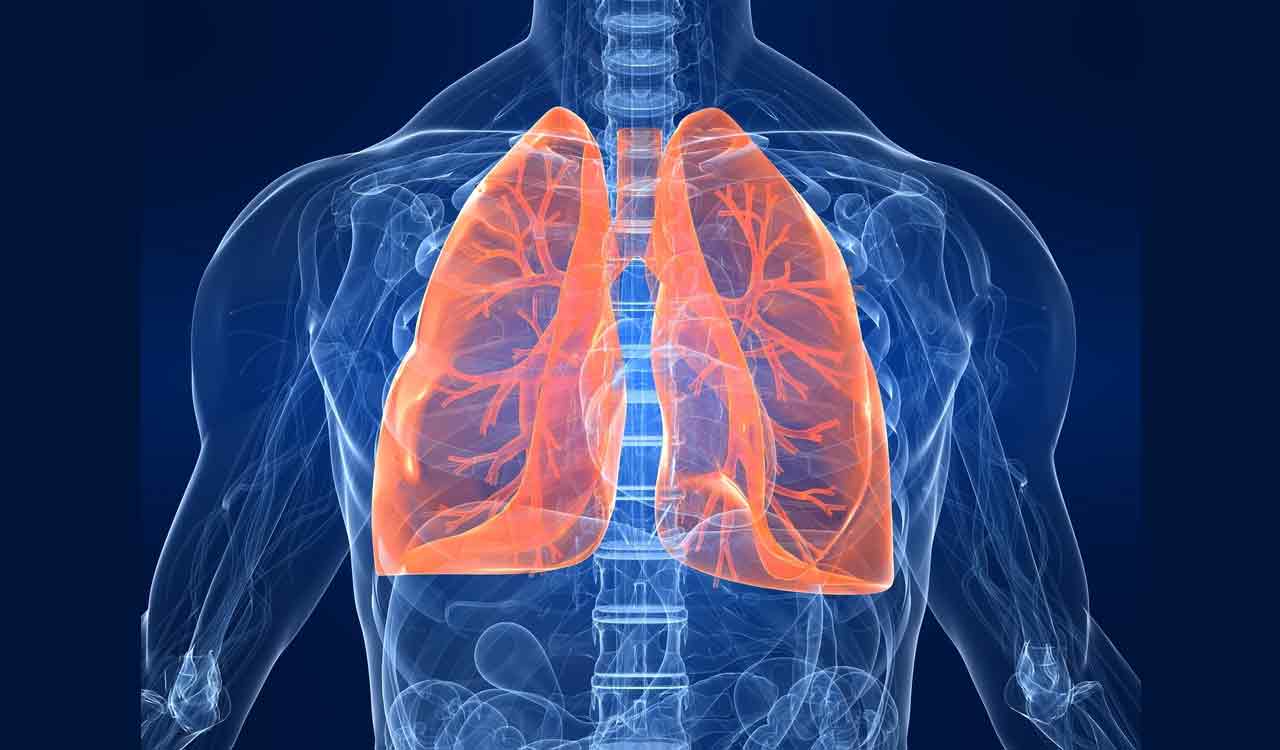
A significant epidemiological shift is unfolding across Southern India, as public health data reveals a rising incidence of lung cancer among lifelong non-smokers. This trend is particularly pronounced among women, challenging the long-held clinical association between tobacco use and pulmonary malignancies and raising uncomfortable questions for city planners, pollution regulators, and cancer-control policymakers.
Cancer registries indicate that this phenomenon is not isolated to specific districts but is a broader regional trend affecting multiple South Indian states. The shift suggests that environmental and biological determinants are overriding traditional risk profiles, necessitating a re-evaluation of how public health systems identify and screen high-risk populations, and how state governments enforce air-quality and clean-fuel standards.
Regional Burden and Gender Disparity
The scale of the crisis is evident in the Telangana Cancer Burden Profile developed by the ICMR-National Centre for Disease Informatics and Research (NCDIR). The region is witnessing a steep upward trajectory in oncology cases, with a disproportionate impact on the female population, even though women are far less likely to use tobacco than men.
| Metric | Observation / Value |
|---|---|
| Annual Adult Cancer Cases (Telangana) | Over 46,700 new cases |
| Hyderabad ASIR (Lung Cancer in Women) | 6.8 per 100,000 women |
| Female Tobacco Prevalence (South India) | Under 10 percent |
The disconnect between tobacco use and cancer incidence among women is stark. While tobacco is a primary driver for male malignancies in the region, the majority of female cases are linked to non-tobacco factors, meaning current tobacco-centred prevention campaigns are missing a growing share of the disease burden.
- Male Cancer Burden (Telangana): 58.8% linked to tobacco.
- Female Cancer Burden (Telangana): 29.7% linked to tobacco.
- Non-Tobacco Female Malignancies: 70.3% of cases.
For state health departments designing cancer-control programmes and insurance packages, this split is no longer a statistical curiosity; it is beginning to reshape priorities for screening, early detection, and environmental regulation.
Environmental Catalysts and Urbanization
The surge in non-smoking lung cancer cases is closely tied to the degradation of air quality and domestic environmental hazards. In rapidly urbanizing hubs like Hyderabad, the convergence of industrial growth, construction activity, and vehicular density has created a chronic exposure environment that public policy has struggled to keep pace with.
Fine particulate matter, specifically PM 2.5, acts as a potent carcinogen. These micro-particles penetrate deep into the alveolar sacs of the lungs, where prolonged exposure triggers cellular mutations. Pulmonologists have observed that even lifelong non-smokers residing in polluted urban corridors frequently present with heavy, black carbon deposits in their lung tissue.
Beyond ambient air, domestic exposures remain a critical risk factor for women. The use of biomass fuels in traditional kitchens creates a concentrated environment of indoor air pollution, which, combined with urban smog, exacerbates the risk of cellular DNA damage. National clean-cooking schemes and emission standards, framed under the Air (Prevention and Control of Pollution) Act, are therefore no longer just environmental or energy-policy tools, but also a first line of defence against future oncology caseloads.
Genetic Susceptibility and Cellular Pathology
Beyond external pollutants, recent genomic research conducted at the Basavatarakam Indo-American Cancer Hospital and Research Institute has identified a biological vulnerability that appears more common in the populations of Telangana and Andhra Pradesh.
The study mapped specific genetic variations that impair the body’s natural detoxification mechanisms. This genetic predisposition renders individuals less capable of neutralizing environmental toxins and domestic biomass smoke, significantly increasing their susceptibility to oncogenic mutations when they live and work in high-exposure settings.
The clinical manifestation of this trend is distinct from smoking-related lung cancer:
- Predominant Type: Adenocarcinoma, which typically develops in the peripheral lung tissues rather than the central airways.
- Molecular Profile: A high percentage of non-smoking women exhibit specific oncogenic gene mutations that can, in some cases, be targeted with precision therapies if detected in time.
- Primary Drivers: A combination of genetic impairment and chronic exposure to construction dust, industrial exhaust, and vehicular emissions.
Oncologists say this changing pathology profile should inform how tertiary hospitals in the region invest in molecular diagnostics, and how national cancer-control planners allocate resources for genomic surveillance.
Systemic Implications for Public Health
This shift in patient demographics requires an urgent update to public health screening protocols. Traditionally, lung cancer screening-such as Low-Dose Computed Tomography (LDCT)-has been targeted toward heavy smokers above a certain age threshold. However, the rise of adenocarcinoma in non-smoking women suggests that screening criteria must expand to include environmental and genetic risk factors, particularly for residents of high-pollution urban clusters.
The economic and systemic burden of treating these cases is amplified by the fact that non-smokers often present with the disease at a later stage, as they are not typically viewed as “high-risk” by healthcare providers or by existing insurance and government reimbursement schemes. That delay translates into more intensive treatments, longer hospital stays, and higher costs for both families and the public health system.
For policymakers, the message from clinicians is converging: strengthening regulatory oversight of urban air quality, accelerating the transition to clean domestic energy, and integrating lung-health indicators into routine primary care are no longer optional environmental add-ons. They are critical oncology interventions that will shape the cancer landscape of Southern India over the next decade.
