
SINGAPORE –
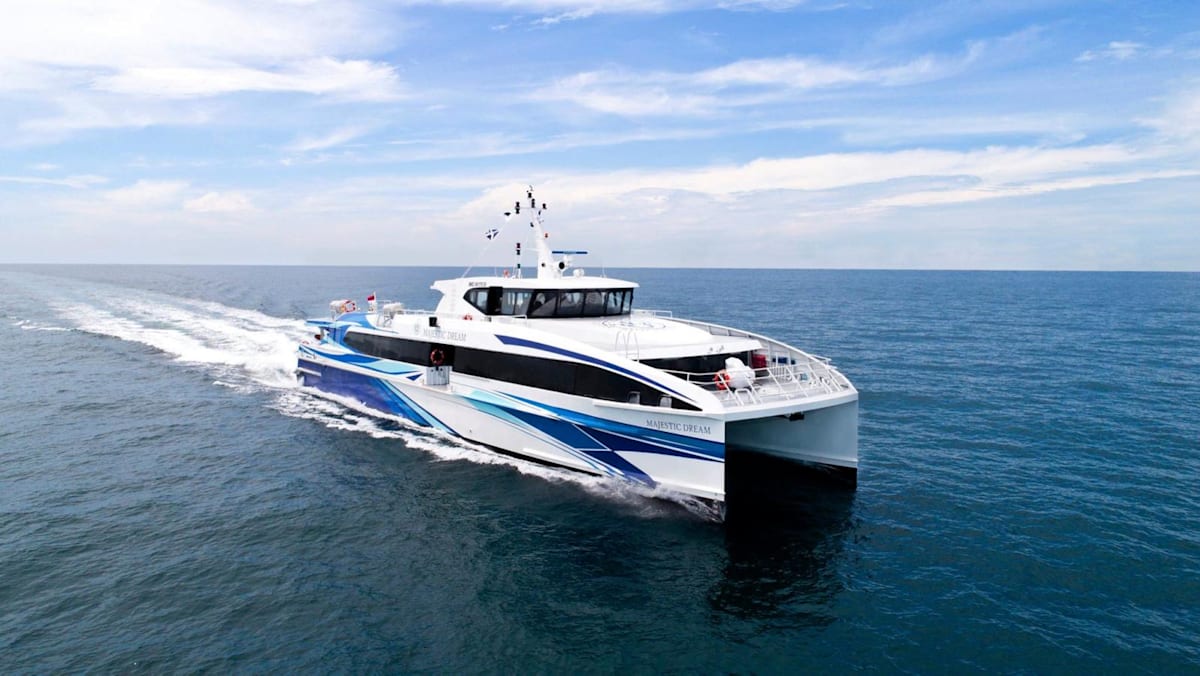
Three major ferry operators on the Singapore-Batam corridor have introduced fuel surcharges, citing a sharp rise in fuel costs linked to the conflict in the Middle East. Horizon Fast Ferry, Majestic Fast Ferry and Batam Fast said a S$6 (US$4.70) surcharge applies to all passengers departing Singapore for Batam from Thursday, Mar 12. The levy will be collected at operators’ ticket counters and applies even to tickets bought before the effective date.
The move immediately raises the cost of one of Southeast Asia’s busiest short-sea passenger links, used by commuters, tourists and cross-border workers moving between Singapore and Indonesia’s Riau Islands. It underscores how oil-market shocks and maritime risk reverberate through regional transport networks far beyond the conflict zone, compressing margins for operators that depend on marine gas oil and high-speed craft.
What travelers will pay
Horizon Fast Ferry, Majestic Fast Ferry and Batam Fast each announced a S$6 surcharge for Singapore-Batam departures beginning Mar 12. Batam Fast added route-specific levies for Malaysia: S$12 for ferries to Desaru Coast and S$6 for Pengelih in Johor.
In notices to customers, operators framed the charges as temporary measures tied to fuel volatility and said they would monitor conditions. Horizon Fast Ferry stated:
“This measure is necessary to offset rising operational costs while ensuring the continued delivery of safe, reliable and efficient services.”
All three firms indicated collection will occur at the point of departure, which means travelers who purchased tickets before Thursday are also subject to the surcharge at check-in. Travel agents said the add-on is already being communicated as a separate line item so that corporate clients and frequent commuters can distinguish it from underlying fares when claiming expenses.
Why fuel costs bite on short-sea routes
Fast ferries typically run on marine gas oil, and fuel can amount to a large share of operating expenses on short, high-frequency routes. When benchmark crude and marine fuels spike, operators have limited scope to absorb costs without cutting sailings or raising prices. Surcharges-common in both aviation and maritime passenger transport-are a mechanism to pass through exceptional, externally driven cost swings while preserving timetable reliability and safety margins.
For Singapore-Batam services, maintaining schedule integrity is especially important: the corridor connects industrial zones and ports in the Riau Islands with Singapore’s terminals, and ferries function as a daily mobility backbone for workers and visitors. Abrupt service reductions would ripple into tourism and local commerce on both sides of the strait. Batam, with its nearly one million residents and free-trade zone status, depends heavily on this sea bridge for visitor arrivals, business travel and weekend tourism from Singapore.
A chokepoint with global reach
Operators pointed to the Middle East conflict as the trigger for the surcharge. The Strait of Hormuz-through which roughly a fifth of the world’s daily oil consumption passes-is a critical maritime chokepoint. Disruptions there can push up crude benchmarks and, in turn, marine fuel prices in Asia’s bunkering hubs.
Iran’s Revolutionary Guards have been attacking ships transiting the strait amid the crisis and have warned of still-higher prices. “Get ready for oil to be US$200 a barrel, because the oil price depends on regional security, which you have destabilised,” Ebrahim Zolfaqari, spokesperson for Iran’s military command, said in remarks addressed to Washington. Elevated geopolitical risk typically lifts freight rates and insurance premiums as well, further feeding through to end-user transport costs worldwide.
Regional spillovers
The surcharge footprint extends beyond Indonesia-bound sailings. Batam Fast’s additional levies for services to Malaysia’s Desaru Coast-an integrated resort area on Johor’s southeast coast-and to Pengelih, a gateway in eastern Johor, indicate the wider impact on cross-border leisure and commuter routes in the Singapore-Malaysia-Indonesia triangle. Even small absolute increases can be material for frequent travelers or families moving in groups during school holidays and long weekends.
Tourism operators in Batam and Desaru say higher end-to-end trip costs could weigh on price-sensitive segments, even as the absolute surcharge remains modest relative to hotel and activity spending. Some industry executives warn that, if fuel markets remain volatile, operators may eventually have to choose between keeping surcharges in place for longer or trimming non-peak sailings.
Rules and recourse
Passenger ferry services operating from Singapore are licensed and safety-regulated, while pricing-including temporary surcharges-is set commercially by operators, provided disclosures are made to customers. The Maritime and Port Authority of Singapore, which oversees the regulation of passenger ferries and terminal operations under the country’s maritime legislation, requires operators to meet safety and service standards even as they adjust commercial terms.
The present fuel surcharges are being collected as separate add-ons at departure counters, not embedded into the base fare, which allows operators to adjust or remove them as fuel markets stabilize. Consumer lawyers note that, while there is no regulated cap on such surcharges, operators must clearly inform passengers of additional charges before travel; passengers who feel charges were not transparently disclosed can raise the issue with operators directly or seek recourse under general consumer protection rules.
Precedent and operating reality
Transport providers in the region have turned to temporary levies during previous oil shocks, then scaled them back as prices retreated. For ferry firms running high-speed aluminum craft, fuel price volatility is a structural risk: hedging, schedule optimization and speed management can help at the margins, but prolonged spikes usually require a pricing response to keep vessels, crews and maintenance programs funded.
As of Thursday, Mar 12, the S$6 fuel surcharge is in force for all Singapore-Batam departures, with Batam Fast’s additional Malaysia route surcharges also active and operators stating they will review the charges as fuel prices move. For now, travelers can expect ferry timetables to be maintained-but at a higher price point that links one of Southeast Asia’s busiest commuter straits more tightly than ever to distant geopolitical shocks.
Keep reading
- Global Food Security Alliances: How Climate-Resilient Agricultural Corridors Are Stabilizing Wheat and Rice Supplies
- Cross-Border Renewable Energy Grids: North Sea and Mediterranean Subsea Cable Networks Enter Phase Two
- Cocoa Prices Crashed. Why Is Halloween Candy Still So Expensive? (daybreakwire.com)
