
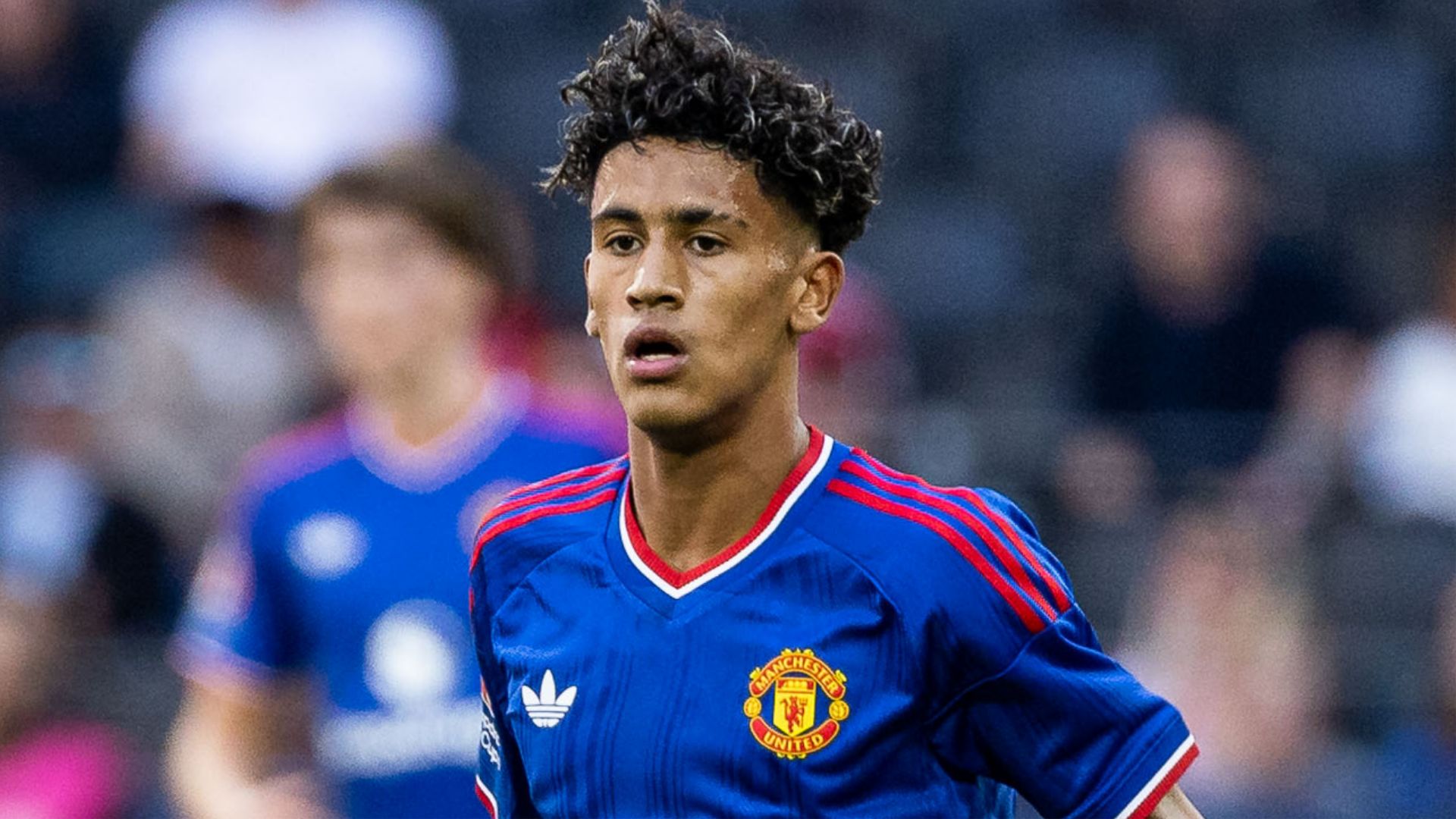
Inside Old Trafford’s Tension: United’s Stagnation and the Impact on Emerging Talent
The family’s brutal verdict on United’s decline mirrors the harsh realities facing the senior side on the pitch. The Red Devils have failed to capture a Premier League title since Sir Alex Ferguson’s departure in 2013. Their current domestic campaign has started in dismal fashion, compounding the frustrations of emerging talents looking for a stable environment.
United are languishing in 12th place following a recent 1-1 draw with Fulham, having managed just one victory from their opening five league fixtures. Coupled with their early elimination from the Carabao Cup, the general atmosphere around Old Trafford is far from the elite standard Gabriel‘s camp expects.
From Serial Title Winners to Prolonged Drought
For a club long defined by contention for the English title, the length of United’s wait since their last Premier League triumph has become a central measure of the current malaise. The benchmark set across the Ferguson era was not simply winning, but doing so consistently in a league governed by the
Premier League’s
demanding competitive and financial framework.
That context matters in assessing the scale of the present slide. A team that once treated top‑four finishes as a minimum expectation now finds itself dealing with mid‑table positioning early in the campaign, and the symbolic weight of sitting 12th after a frustrating draw with Fulham reinforces the sense of drift.
Early-Season Metrics That Shape a Campaign
Five league games is a small sample, but United taking only one win from those fixtures sets a difficult platform for the months ahead. In a competition where every club must navigate a 38‑match schedule, a slow opening can have lasting effects on:
- the margin for error in the push for European qualification
- confidence within a squad already under scrutiny
- the perception of the manager’s authority and long‑term project
The 1-1 draw with Fulham encapsulates that tension. Dropped points against sides outside the traditional top bracket narrow the path back towards the upper reaches of the table, especially when set against rivals who typically turn early‑season fixtures into reliable wins.
Domestic Cup Exit Removes a Safety Valve
The early elimination from the Carabao Cup leaves United with one fewer domestic route to tangible success this season. While the competition is often used by leading clubs to rotate squads and blood younger players, it also offers:
- a realistic opportunity to win silverware
- competitive minutes for squad and academy players
- a pressure release when league form is inconsistent
Losing that avenue sharpens the focus on league performance and any remaining competitions on the calendar. For a fanbase accustomed to measuring seasons by trophies, a swift cup exit only intensifies scrutiny on decision‑makers throughout the club’s structure.
Why Instability Matters for Prospects Like Gabriel
The reference to Gabriel’s camp underlines a growing concern among elite prospects and their families: whether United can provide the stable, high‑performance environment required for development at the very top level.
For emerging players assessing their options, the current picture at Old Trafford raises pointed questions:
- Will a team struggling for consistency offer clear pathways from academy to first team?
- Can young talents be integrated without being exposed to excessive pressure from day one?
- Is there a coherent technical and tactical project that will still be in place over the length of a first professional contract?
When league form falters and early cup exits remove developmental game time, those questions become more acute. It is that broader uncertainty that sits behind the family’s stark assessment of the club’s trajectory.
Governance, Pressure and Strategic Choices
At a club of United’s scale, on‑pitch underperformance inevitably feeds into wider debate about governance and long‑term planning. The Premier League’s regulatory and commercial model gives top clubs substantial revenue, but it also exposes them to intense global scrutiny when results do not align with that financial advantage.
Decisions on recruitment, coaching appointments and pathway planning for academy graduates are now unfolding against a backdrop of a decade‑long title drought, a mid‑table start and reduced opportunities for rotation in domestic cups. For Gabriel’s advisers, and for many other high‑potential families assessing where best to place a career, United’s current situation is no longer judged solely on its history, but on whether present‑day structures can match that past reputation.
In that sense, the family’s verdict does more than capture frustration. It crystallises the stakes for a club attempting to bridge the gap between its recent reality and the standards once taken for granted at Old Trafford, in a landscape where elite prospects have more informed choices than ever before.
Worth a look
- Oilers Evaluate Roster Depth Amid Potential Player Move and Preseason Assessments
- Therapeutic Riding and Resilience: Lady June’s Enduring Bond with Horses and Community Impact
- COSPN secures second Madagascar N1A basketball title, beating RBC Boeny 74-68 (archysport.com)
- Why Leaves Are Changing Color Early: What Drought Stress Means (daybreakwire.com)
