
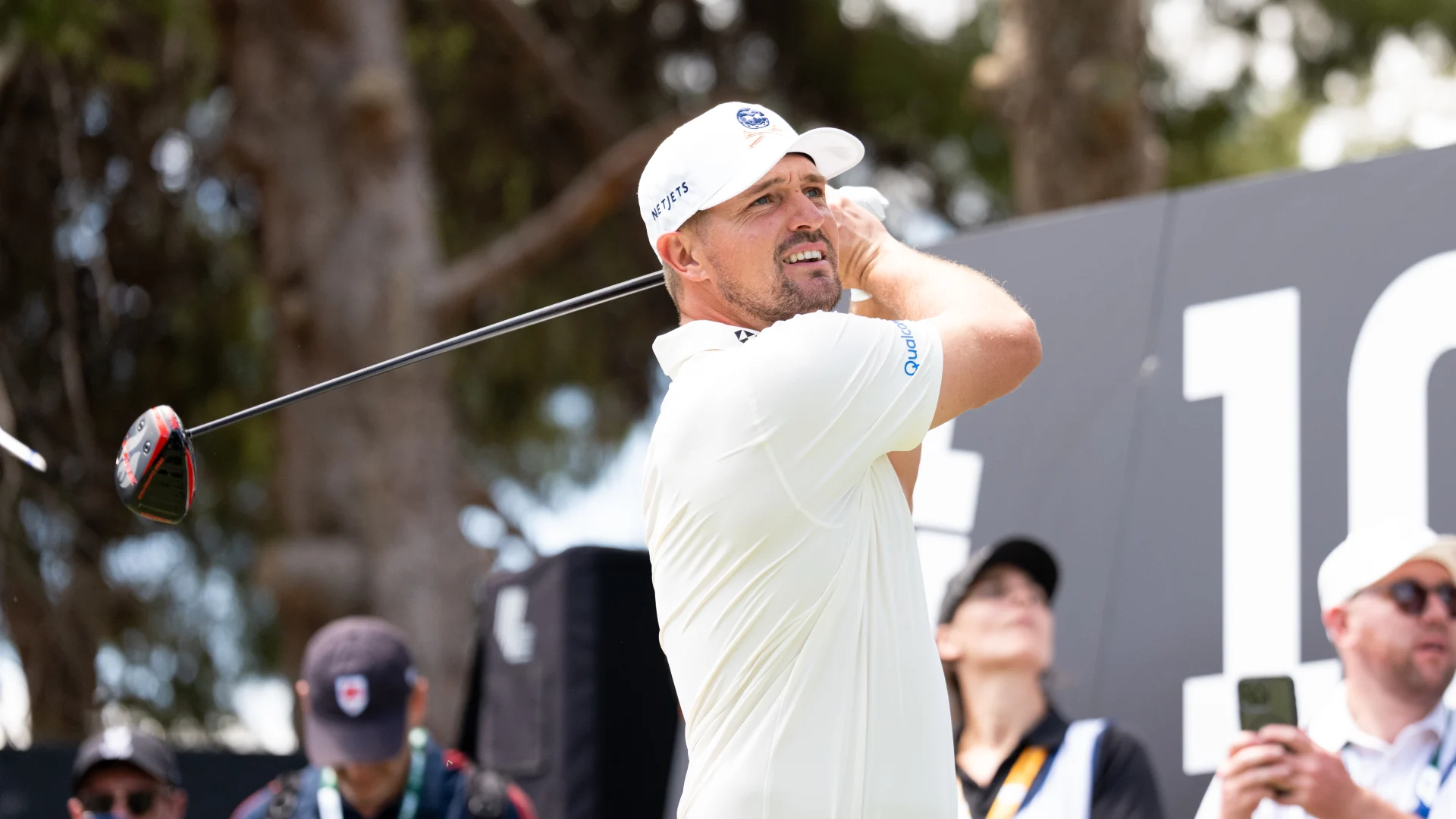
Equipment gambles take center stage as LIV Golf heads to Adelaide
LIV Golf’s next stop arrives with a cluster of notable gear changes as players fine‑tune setups ahead of LIV Golf Adelaide. With margins tight in a 54‑hole, no‑cut format, club and shaft choices are a strategic lever as much as a comfort play—especially for teams balancing individual form with collective objectives over the season. The backdrop is a league operating under the global equipment standards set by the Rules of Golf: Equipment Rules, which define what is conforming while still leaving room for aggressive optimization at the elite level.
Why the switches matter now
In a league that runs concurrent individual and team leaderboards, incremental gains off the tee and into greens influence both personal points and squad positioning for the season’s latter stages. Adelaide also sits within a compact, travel‑heavy stretch of the LIV calendar, amplifying the importance of equipment players trust under fatigue and in varied conditions. Equipment moves this close to the start signal are less about wholesale reinvention and more about dialing in launch, spin, and dispersion to suit competitive pressure, local weather patterns, and course‑setup expectations.
Player-by-player adjustments
Charles Howell III
- Irons: Srixon ZXi7 → PXG 0317CB
- Driver head: PING G440K → Callaway Quantum Triple Diamond
- Context: Returns to PXG 0317CB irons last used in Korea in 2025, where he finished T2. The driver head marks back‑to‑back events with the Callaway Quantum Triple Diamond. Last week, he lost 0.80 strokes per round off the tee and –0.28 per round on approach.
Analytical view: Moving back into a compact, forged cavity‑back iron can favor predictable flight windows and turf interaction, a priority on firm, windy setups. Pairing that with a lower‑spin, tour‑profile driver head aims to stabilize launch after a week where both tee and approach numbers trended negative, turning a reactive change into a targeted correction.
Thomas Pieters
- Putter: TaylorMade Spider → Titleist Scotty Cameron Fastback 1.5
- Context: Shift from a high‑MOI mallet to a compact mallet‑blade profile to prioritize feel and face control. Last week, he was roughly neutral with the putter (+0.04).
Analytical view: The move sacrifices some forgiveness for tactile feedback, a tradeoff that can tighten start‑line control on short‑ to mid‑range putts—valuable in shotgun rounds where momentum swings quickly and players see similar putts in quick succession. For Pieters, it’s a bet that touch and confidence will convert more of the birdie looks his iron play is starting to generate again.
Branden Grace
- Irons: Callaway X‑Forged (7–PW) → Miura TC‑202
- Top of bag: 7‑wood → Miura TC‑202 3‑iron
- Context: Completes a full Miura iron setup and replaces a 7‑wood with a driving iron for a more penetrating flight and added control off the tee. Last week, he was near neutral on approach (+0.05).
Analytical view: Consolidating one iron model through the set can harmonize feel, launch windows, and distance gapping. Swapping 7‑wood for a 3‑iron typically lowers peak height and reduces spin—useful in wind or when chasing run‑out on firm fairways, and tactically aligned with team strategies that prize positional play on tighter driving holes.
Joaquín Niemann
- Driver head: PING G430 LST → PING G440
- Context: Reverts to the G440, marking back‑to‑back driver changes to start the season. Last week, he gained 0.41 strokes against the field—a solid return, if short of his elite baseline.
Analytical view: Returning to a familiar head often signals a feel‑first call rather than a radical technical reset. If face‑to‑path consistency improves, Niemann’s ball‑speed advantage translates more directly into scoring in a 54‑hole window in which there is no cut to recover from a poor opening round.
Bryson DeChambeau
- Driver shaft: True Temper Project X D70 Prototype → LA Golf
- Context: Reverts to his LA Golf driver shaft after testing the Project X D70 Prototype last week. He gained 1.13 strokes per round off the tee—borderline elite—with the driver.
Analytical view: Returning to a known shaft profile can normalize timing and strike location, especially under DeChambeau’s high‑speed, high‑load swing. With tee‑box performance already strong, this is a consolidation move aimed at repeatability under pressure rather than chasing marginal distance gains that might compromise control on Adelaide’s tighter corridors.
Form notes carried over from Riyadh
Riyadh serves as the immediate form guide for Adelaide, with several players arriving on the back of recent equipment experiments that have already moved the performance needle.
Thomas Pieters
In Riyadh, he switched from Titleist 620 to Miura TC‑202 irons and produced his best approach‑play output since last season’s Adelaide stop: +1.15 strokes per round, 2nd in the field. The iron transition aligns with this week’s putter change as he leans into feel‑based continuity through the bag, seeking a coherent setup that rewards his traditionally strong ball‑striking.
Sergio Garcia
A rare mid‑season ball change saw him move from a TaylorMade TP5 to a new Underground Golf ball, alongside a putter switch from a Scotty Cameron Masterful Tour Type SSS to a Golfyr The Maker Tour. He gained 0.59 strokes on approach but lost 0.74 with the new putter—an illustration of how one tweak can lift one phase while challenging another, and a reminder that even within tightly regulated equipment boundaries, interplay between ball and putter can materially alter scoring outcomes.
Jon Rahm
He replaced an Elite Triple Diamond driver head with the Quantum Triple Diamond and was elite off the tee, gaining 1.43 strokes and leading the field in that category by a wide margin. Stabilizing that advantage is pivotal in a format where early separation is amplified across three rounds and where team captains weigh individual setups against broader strategic needs for collective scoring.
Competitive picture
With no cut and teams counting on dependable contributions across all shotgun waves, these equipment decisions are about risk management as much as upside. Small gains in tee‑to‑green control can swing both the individual payout and the team’s season trajectory when points accumulate over multiple events. They also unfold within a broader governance conversation: as tours and governing bodies scrutinize distance, ball speeds, and sustainability of course setups, players and manufacturers are pushing right to the edge of what is permitted, using weeks like Adelaide to test how far fine‑tuned, rule‑compliant gear can tilt a leaderboard.
Equipment data supplied by World Tour Survey.
Keep reading
