
ITV Leads Early World Cup Ratings as BBC Gambles on Knockout Stages
ITV has secured a dominant lead in the UK television ratings battle following the opening week of the World Cup. Data indicates the commercial broadcaster captured four of the five highest viewing audiences during the tournament’s first seven days, driven largely by high-profile fixtures and an aggressive early-tournament scheduling strategy that prioritised marquee evening kick-offs.
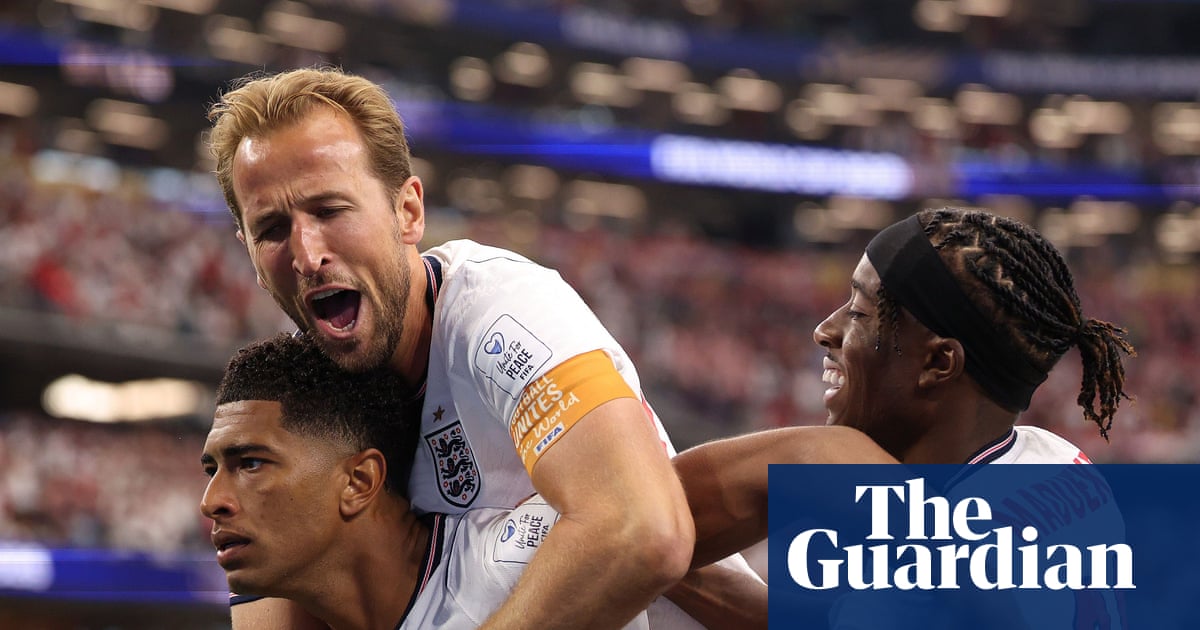
The peak of this early surge was England’s 4-2 victory over Croatia in Dallas. The match attracted a peak audience of 15.4 million viewers on ITV, with an average viewership exceeding 10 million. In a fragmenting media landscape, these figures represent the highest UK television viewing numbers recorded so far this year and underline the continuing gravitational pull of the men’s national team on free-to-air broadcasters regulated by Ofcom’s Broadcasting Code.
First-Week Audience Performance
Beyond the England fixture, ITV maintained a strong presence across the group stages. The opening clash between co-hosts Mexico and South Africa drew a peak of 7.7 million and averaged 6.6 million viewers. ITV further rounded out the top five most-watched broadcasts with coverage of Spain v Cape Verde (6.1 million peak) and the Netherlands v Japan (6 million peak), consolidating its position as the dominant linear television destination for the tournament’s opening phase.
The BBC’s primary television success came via France v Senegal, which peaked at 6.7 million with a match average of 5.9 million. However, the BBC has seen significant growth in non-traditional viewing. When laptop and mobile streams are integrated, the France v Senegal peak rises to 7.6 million. Similarly, Portugal v the Democratic Republic of the Congo and Belgium v Egypt reached peaks of 6.7 million and 6.5 million respectively through combined platforms, highlighting how public service broadcasters are now judged as much on digital reach as on overnight television ratings.
The viewership landscape for the first week is summarised below:
| Match | Broadcaster | Peak Audience | Average Audience |
|---|---|---|---|
| England v Croatia | ITV | 15.4 Million | >10 Million |
| Mexico v South Africa | ITV | 7.7 Million | 6.6 Million |
| France v Senegal | BBC | 6.7 Million (TV) | 5.9 Million |
| Spain v Cape Verde | ITV | 6.1 Million | N/A |
| Netherlands v Japan | ITV | 6.0 Million | N/A |
Strategic Broadcasting Trade-offs
The current disparity in ratings is a direct result of pre-tournament negotiations between rights-holding broadcasters and FIFA’s central sales operation. The BBC opted for a long-term strategy, sacrificing early-stage volume in order to secure first-pick rights for the most critical phases of the FIFA World Cup. This ensures the BBC has the first choice of fixtures for the last 32, the last 16, and the semi-finals-stages that typically attract larger, more politically salient audiences and drive debates about the value of the licence fee.
This tactical gamble means the BBC will broadcast England’s second group match against Ghana this coming Tuesday. Conversely, ITV’s early lead is front-loaded; while it holds the rights to England’s third group game against Panama and any potential England quarter-final-which could feature a high-stakes Saturday night clash against Brazil-much of its guaranteed, highest-rated content is concentrated at the start of the event. The split reflects a broader policy tension in UK broadcasting: how to balance commercial imperatives with the expectation, embedded in the Audiovisual Media Services framework, that major events of national importance remain widely accessible.
The BBC also managed a significant regional victory with Scotland’s first World Cup appearance in 38 years. Despite a 2 a.m. UK kick-off, the match against Haiti peaked at 2.8 million viewers. The broadcast captured 78% of all UK TV viewers at that hour, rising to 92% within Scotland, underscoring the broadcaster’s continued ability to generate shared national and regional moments even in unfavourable time slots.
Production Logistics and Corporate Pressure
The visual presentation of the tournament has become a point of critical contention, feeding into long-running arguments over how publicly funded and commercial broadcasters deploy on-screen talent and spend money. ITV’s production has been praised for its Brooklyn-based studio, which utilises the Manhattan skyline as a backdrop and is designed to appeal to global sponsors as well as domestic audiences. In contrast, the BBC has faced criticism on social media and from some politicians for broadcasting from its Salford studios, despite long-standing commitments to decentralise production away from London.
The decision to remain in Salford is tied to broader institutional financial pressures. BBC Director General Matt Brittan recently announced a cost-saving drive aimed at reducing the corporation’s budget by £500 million over the next three years. These efficiency measures are expected to result in the loss of up to 2,000 jobs and are already influencing editorial choices about where to base major event coverage and which formats to prioritise.
These financial constraints may also explain the BBC’s absence of a daily television highlights programme. However, the shift has accelerated digital adoption. BBC iPlayer highlights were streamed 11.6 million times this week, representing a 197% increase compared to the first week of Euro 2024, signalling a clear migration of sports consumption from linear television to on-demand streaming. For policymakers and regulators, the early World Cup numbers will feed directly into the next round of arguments over the future of public service broadcasting, how it should be funded, and where live sport sits within that settlement.
Worth a look
