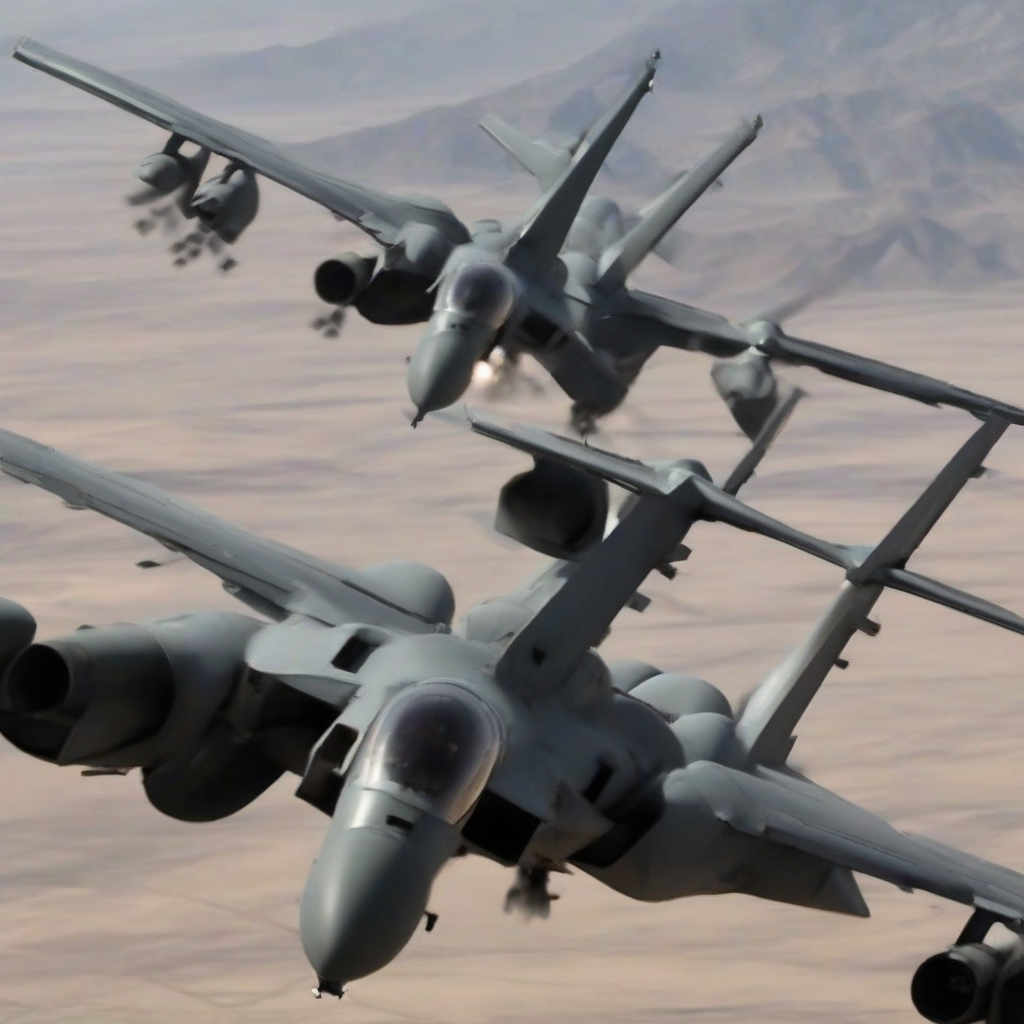
KYIV – Ukraine conducted a series of heavy drone strikes across Russian territory on June 28, 2026, targeting two oil refineries and resulting in at least two deaths.
The coordinated assault is part of a widened campaign by Kyiv to degrade Russia’s military-industrial capacity and energy revenue as the invasion enters its fifth year. By targeting energy infrastructure, Ukraine aims to choke fuel supplies to the Russian military and disrupt the economic resources funding the war effort, a strategy that has increasingly relied on domestically produced long-range and, in some cases, semi-autonomous drones.
Strikes on Southern Energy Infrastructure
A major blaze broke out at an oil refinery in Slavyansk-na-Kubani, located in Russia’s Krasnodar region east of occupied Crimea. Gov. Veniamin Kondratyev reported that the fire was sparked by debris from downed Ukrainian drones.
Regional authorities confirmed the casualties resulting from the strike:
- One person killed in Slavyansk-na-Kubani.
- One person injured in a nearby village.
The Slavyansk facility is a critical node in Russia’s southern energy network, processing approximately 4 million tons of crude oil annually. According to the operator’s data, the site is a primary source of petroleum products for export through Black Sea ports, specifically naphtha, marine fuel, and fuel oil. Damage to such refineries has previously triggered localized fuel shortages and temporary export disruptions, amplifying the economic stakes of Ukraine’s cross-border campaign.
Deep-Strike Operations in Yaroslavl
Ukrainian President Volodymyr Zelenskyy announced that the overnight operation extended significantly deeper into Russian territory, claiming a second refinery was hit in the Yaroslavl region. The target is located approximately 700 kilometers (435 miles) from the Ukrainian border, underscoring Kyiv’s capacity to strike well beyond the front lines.
While Russian federal authorities did not immediately confirm the strike on the refinery, local Gov. Mikhail Evraev reported that “an enemy attack by Ukrainian drones” forced the temporary closure of several roads between Moscow and the regional capital of Yaroslavl.
The disruption extended to civil aviation, with the country’s civil aviation agency reporting the brief overnight closure of Yaroslavl’s airport, as well as other airports in western and southern Russia. Such suspensions follow established procedures under Russian aviation safety rules and mirror Ukraine’s own airspace restrictions under wartime measures introduced after Russia’s full-scale invasion in 2022.
Regional Casualties and Aerial Combat
The drone wave also reached the border region of Belgorod. Acting Gov. Alexander Shuvayev reported that one person was killed and another injured during the strikes in that sector.
The Russian Defense Ministry stated its forces intercepted 213 Ukrainian drones over the course of the night, including those operating over Russia, occupied Crimea, and the Black and Azov seas. The ministry did not provide independent visual evidence to substantiate the claim, and battlefield tallies from either side are rarely verifiable in real time.
Simultaneously, the Ukrainian air force reported a retaliatory Russian assault involving 142 long-range strike drones and eight missiles. Ukraine claims to have shot down 125 of the drones and seven of the missiles, figures that, if accurate, would indicate one of the more extensive overnight aerial exchanges of the year.
Strategic Objectives of Infrastructure Targeting
The shift toward long-range attacks on energy facilities is designed to apply economic and psychological pressure on the Kremlin. Western analysts indicate that the degradation of fuel supplies has slowed Russian battlefield movements and is intended to force Moscow toward negotiations, even as neither side has signaled readiness for a comprehensive settlement.
Ukraine argues that striking refineries and fuel depots falls within its right to self-defense under Article 51 of the United Nations Charter, framing the operations as efforts to limit Russia’s capacity to conduct further attacks on Ukrainian cities. The Kremlin, by contrast, has condemned the raids as “terrorist” actions against civilian infrastructure, highlighting the diplomatic rift over what constitutes a legitimate military target.
President Zelenskyy characterized the operations as a form of kinetic diplomacy on the Telegram messaging app:
“Tonight, our ‘long-range sanctions’ reached two oil refineries in Russia. Each (strike) means a reduction in the resources that fuel the Russian war machine, and another step toward peace.”
The strikes come as Ukraine presses Western partners for additional air defenses and long-range weapons, while also showcasing a fast-evolving domestic drone industry that has produced relatively low-cost systems capable of intercepting and engaging enemy aircraft and missiles at scale. Officials in Kyiv contend that this mix of international military support and homegrown technology is central to sustaining pressure on Russia’s logistics and energy backbone.
window.fbAsyncInit = function() {
FB.init({
      appId : '870613919693099',

      xfbml : true,
      version : 'v2.9'
  });
};
(function(d, s, id){
var js, fjs = d.getElementsByTagName(s)[0];
if (d.getElementById(id)) {return;}
js = d.createElement(s); js.id = id;
js.src = “https://connect.facebook.net/en_US/sdk.js”;
fjs.parentNode.insertBefore(js, fjs);
}(document, ‘script’, ‘facebook-jssdk’));