
NEW DELHI – Sonam Wangchuk, the Ladakh-based educationist and activist, entered the 18th day of an indefinite hunger strike at Jantar Mantar on July 15, 2026, demanding the resignation of Union Education Minister Dharmendra Pradhan.
The protest, centered on the handling of the 2026 NEET-UG paper leak controversy, marks a total collapse in the professional relationship between the activist and the Minister. Once public allies in the implementation of the National Education Policy (NEP), the two are now locked in a sharp public confrontation over accountability and the integrity of India’s competitive examination system, particularly those overseen by the National Testing Agency.
The current demonstration is led by the Cockroach Janta Party (CJP), a satirical movement born from judicial remarks and student frustration. Protesters, many wearing cockroach masks, have gathered in the capital to demand systemic changes in the Ministry of Education and a time-bound, transparent overhaul of how high-stakes entrance examinations are conducted.
The NEET-UG 2026 Crisis and Student Fallout
The catalyst for the current unrest was the National Eligibility-cum-Entrance Test for Under Graduates (NEET-UG) 2026, the high-stakes gateway for medical admissions in India and a key pillar of the country’s centralized, merit-based admissions architecture.
The examination process was derailed by allegations that question papers were leaked through “guess papers,” leading to a sequence of systemic failures that critics say exposed vulnerabilities in both the testing regime and oversight mechanisms:
- May 12, 2026: The government cancelled the examination after leaks were reported, affecting more than 22 lakh students and forcing state authorities and medical colleges to delay their admission calendars.
- May 12 – June 21: During the interval between the cancellation and the rescheduled exam, between 11 and 14 students reportedly died by suicide across the country, intensifying scrutiny of exam-related stress and the absence of robust mental-health safeguards for aspirants.
- June 21, 2026: A nationwide retest was conducted amid intense public criticism of the government’s crisis management, with fresh demands for independent investigation and statutory reform of examination protocols.
The outrage intensified following comments made by Chief Justice of India (CJI) Surya Kant during a hearing regarding unemployment. The CJI described unemployed youth as “parasites” and “cockroaches.” While the CJI later clarified the statement and said the remarks had been taken out of context, the language struck a nerve with young job seekers and exam candidates, providing both the name and the satirical edge for the Cockroach Janta Party (CJP).
For many protesters, the NEET-UG controversy has become a proxy battle over state capacity and trust in institutions: whether the government can credibly safeguard life-defining examinations and whether aggrieved students have meaningful avenues for redress when that trust is broken.
From Collaboration to Confrontation
The hostility between Wangchuk and Pradhan is a significant departure from their interactions in 2023. In March of that year, the two met to discuss the National Education Policy, expressing mutual support for transforming the Indian education system through innovation and experiential learning in line with the policy’s emphasis on flexibility, multidisciplinary education and reduced exam-centric pressure.
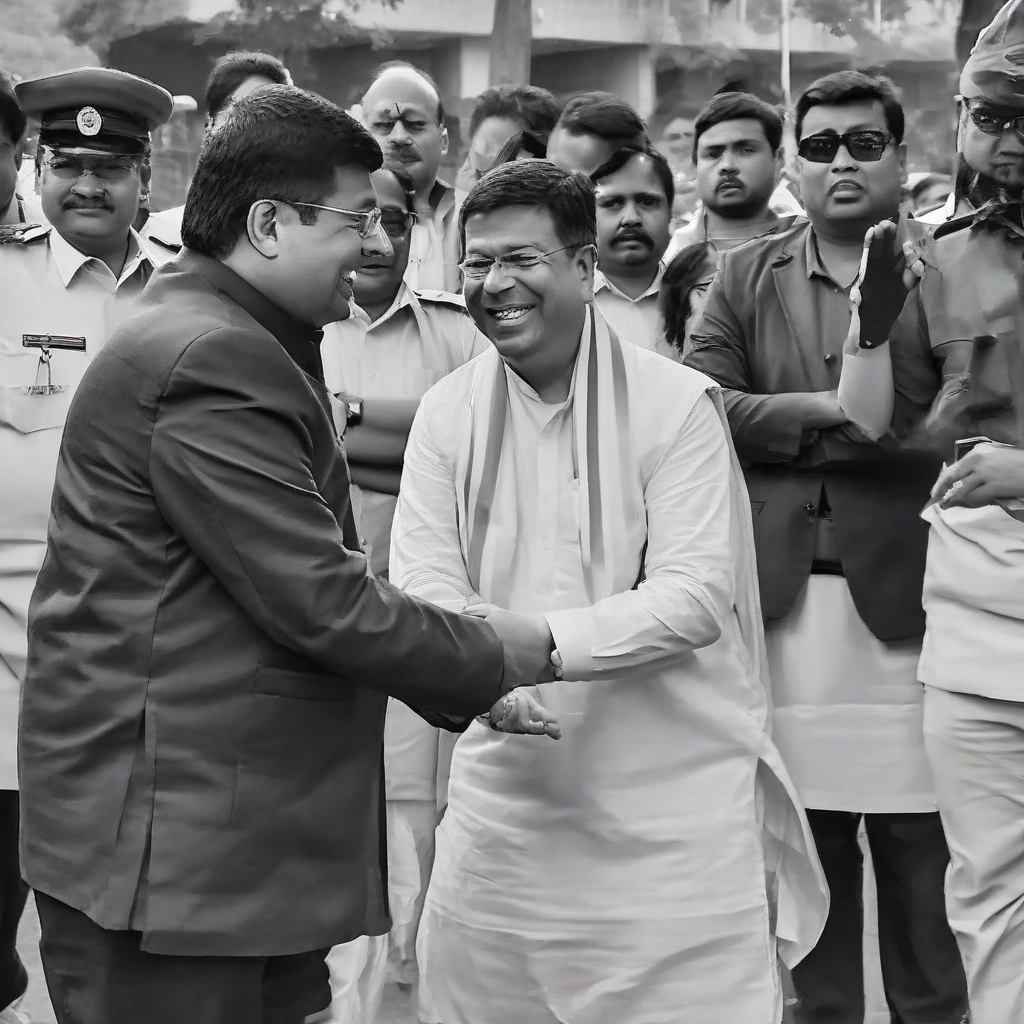
At the time, Dharmendra Pradhan shared a photograph with Wangchuk and his wife, social entrepreneur Gitanjali J Angmo, on X (formerly Twitter), stating:
“Wonderful conversations with Shri Sonam Wangchuk and his wife, Gitanjali J Angmo ji. Appreciate their passion, thoughts, and drive for transforming education, encouraging experiential learning, developing a culture of innovation and sustainable development”
Wangchuk responded with similar optimism, writing:
“Thank you, Dharmendra Pradhan ji for being so open to innovative ideas in education. We feel even more committed to making NEP a reality on the ground”
That shared agenda has since unraveled. Critics of the Ministry say the NEET-UG leak and the handling of subsequent student protests run counter to the NEP’s stated goals of equity, transparency and reduced exam anxiety. By June 6, 2026, the alignment had vanished: Wangchuk joined the first CJP protest in Delhi, shifting from a policy partner to one of the government’s most visible public critics on education governance, and eventually escalating his involvement to an indefinite fast.
Status of the Hunger Strike
The 59-year-old activist has spent over two weeks fasting, with his health reportedly deteriorating. Medical volunteers at the site have advised frequent monitoring, and supporters have raised concerns about the long-term consequences if the stalemate with the government continues.
While he avoided most public appearances for the duration of the strike, Wangchuk addressed the gathering on July 14, 2026, to emphasize that the goal of the protest extends beyond a single political appointment and towards structural reform of the examination ecosystem, including greater parliamentary and judicial oversight of testing agencies and clearer accountability norms for senior officials.
“Our fasting may not immediately bring resignations. But if it awakens people, then it has served its purpose,” Wangchuk said. “One resignation alone changes very little. The day people awaken, every department of the Government of India will see change”
On July 14, several prominent figures from various professional fields, including education, medicine and public policy, issued appeals to Wangchuk, urging him to discontinue his fast for health reasons even as they backed demands for an independent review of the NEET-UG 2026 failures under the broader framework of India’s examination and higher-education regulation.
Wangchuk remains at Jantar Mantar as the fast continues. As of publication, the Ministry of Education has not issued a formal response to the demand for the Minister’s resignation or announced any new, concrete steps beyond existing provisions under the National Testing Agency Act and related exam-conduct rules, leaving students, parents and universities in a prolonged state of uncertainty.