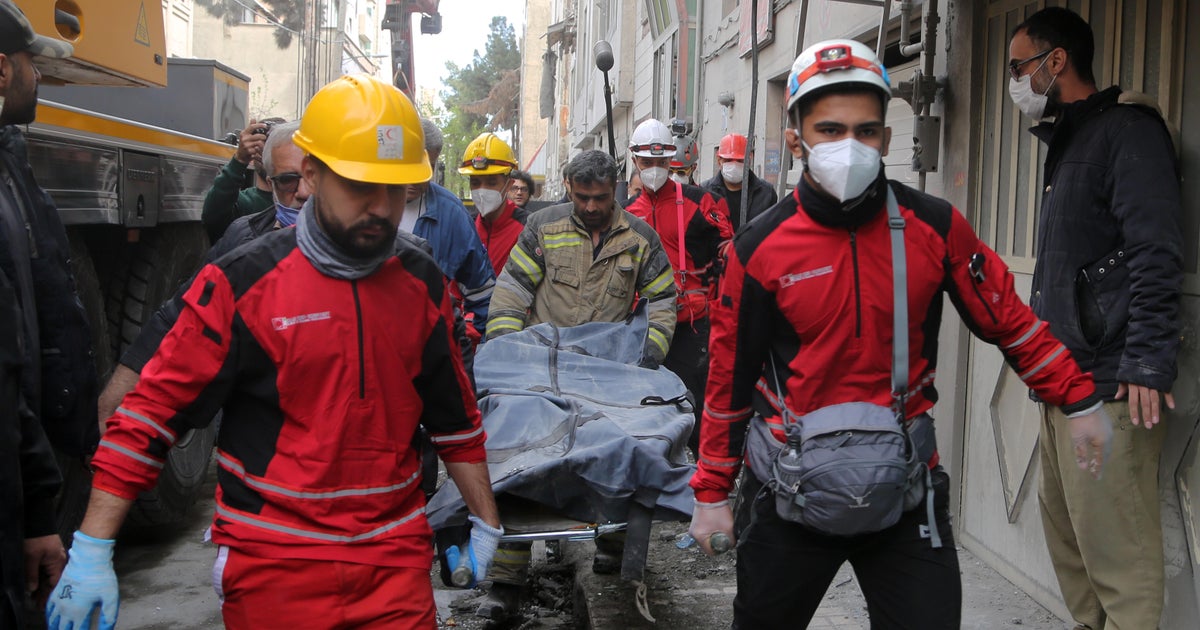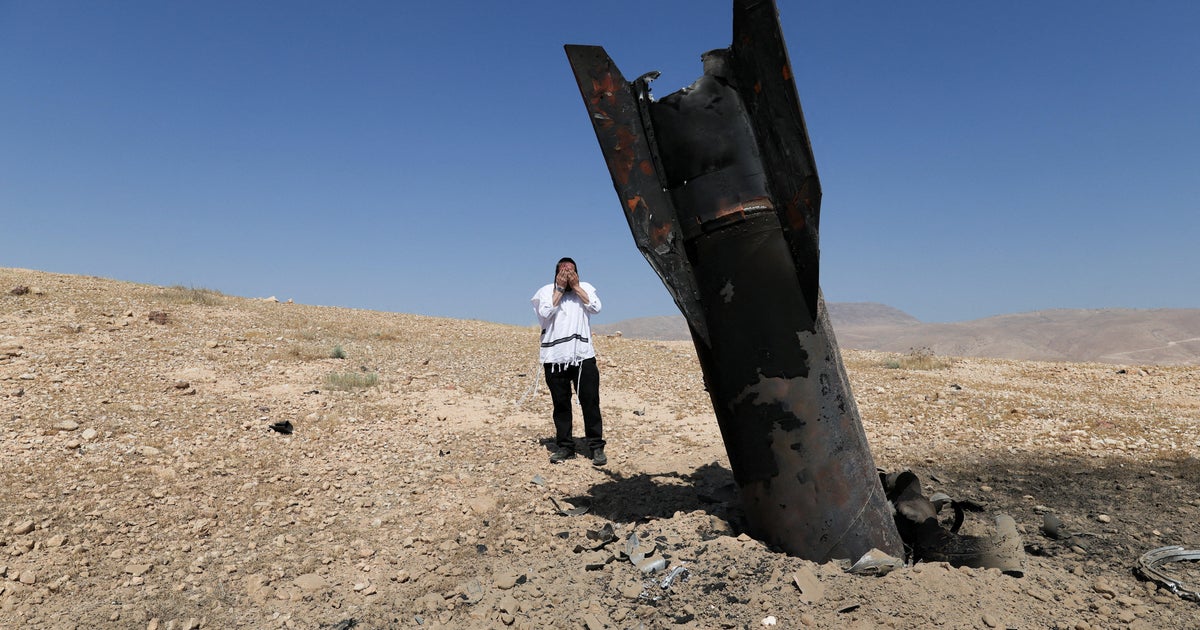
TYRE – Israeli bombardment has caused significant damage to the UNESCO World Heritage site in the southern Lebanese city of Tyre, according to officials from the Lebanese culture ministry and reports from correspondents on the ground.
The strikes targeting one of the Mediterranean’s most ancient urban centers underscore the escalating risk to irreplaceable global cultural heritage during the current Israel-Hezbollah conflict. The incident raises urgent questions regarding the adherence to international treaties designed to shield civilian and archaeological landmarks from the effects of modern warfare.
The Lebanese state-run National News Agency (NNA) reported that the bombardment followed evacuation warnings issued by the Israeli army for several districts, including the area known as the city site.
Ali Badawi, the culture ministry’s regional director of archaeological sites for south Lebanon, stated that Sunday’s strikes have had “the worst impact” on the ancient areas of Tyre since the onset of the latest hostilities.
“The amount of debris and damage at the site is high,” Badawi said, detailing both the direct impact-which included the striking of the site’s administrative office-and the indirect damage caused by debris scattered from nearby explosions.
“This is a civilian site, a World Heritage site,” said Badawi. “It’s not a military site at all, and there are no military activities there.”
A Crossroads of Ancient Civilizations
Tyre represents a unique archaeological record of Mediterranean history. Situated approximately 12 miles from the border with Israel, the city served as a dominant maritime power in antiquity and evolved through several successive imperial eras, a status later recognized when the “Ancient City of Tyre” was inscribed on the UNESCO World Heritage List in 1984.
The site’s historical layers include:
- Phoenician: The city’s origins as a leading commercial and naval hub that helped project Phoenician trade and culture across the Mediterranean.
- Persian and Hellenistic: Periods of strategic regional dominance and cultural blending, during which Tyre linked eastern empires with emerging Mediterranean powers.
- Roman: The era that left the city’s most visible monuments, including the second-century triumphal arch and the hippodrome, key to understanding imperial urban planning along the Levantine coast.
- Byzantine: The final phase of the city’s classical urban development, when Christian religious architecture and administrative buildings reshaped the urban fabric.
The UNESCO-listed ruins specifically include the remnants of Roman baths, which are among the most significant examples of imperial architecture in the region and form part of what archaeologists describe as one of the eastern Mediterranean’s best-preserved ensembles of public monuments.
International Law and Cultural Protections
The damage to the Tyre site falls under the purview of the 1954 Hague Convention for the Protection of Cultural Property in the Event of Armed Conflict. This treaty, and its subsequent protocols, prohibits the targeting of cultural property and mandates that occupying or warring powers take precautions to avoid damage to sites of “great importance to the cultural heritage of every people,” including archaeological zones and historic monuments.
UNESCO’s World Heritage designation, granted to the site in 1984, provides a formal international recognition of Tyre’s “Outstanding Universal Value.” Under this framework, the international community is tasked with ensuring the preservation of the site, regardless of the geopolitical volatility of the surrounding region. Tyre is one of several Lebanese properties on the World Heritage List, a status that has previously helped channel technical assistance and emergency support to safeguard endangered monuments in the country.
The current strikes occur amidst a broader pattern of tactical warnings and high-intensity bombardments in southern Lebanon, where the proximity of archaeological zones to active conflict corridors has increased the vulnerability of civilian infrastructure. Diplomats and cultural-heritage specialists say such incidents are likely to intensify scrutiny of military decision-making under the Hague Convention, which requires that any claimed “military necessity” be strictly interpreted and proportionate to the anticipated military advantage.
The Lebanese culture ministry continues to assess the full extent of the structural damage to the triumphal arch and the hippodrome as access to the southern border regions remains restricted. Officials say detailed technical surveys-typically undertaken jointly by national antiquities authorities and international experts from bodies such as UNESCO’s World Heritage Centre-will be needed to determine whether emergency stabilization work is required to prevent further collapses at the already-fragile coastal site.