
NFL’s Beer Celebration Fines Expose Awkward Fault Line Between Discipline and Sponsorship
The Church Lady has commandeered the league office. And the league’s official beer sponsor has taken full advantage of it.
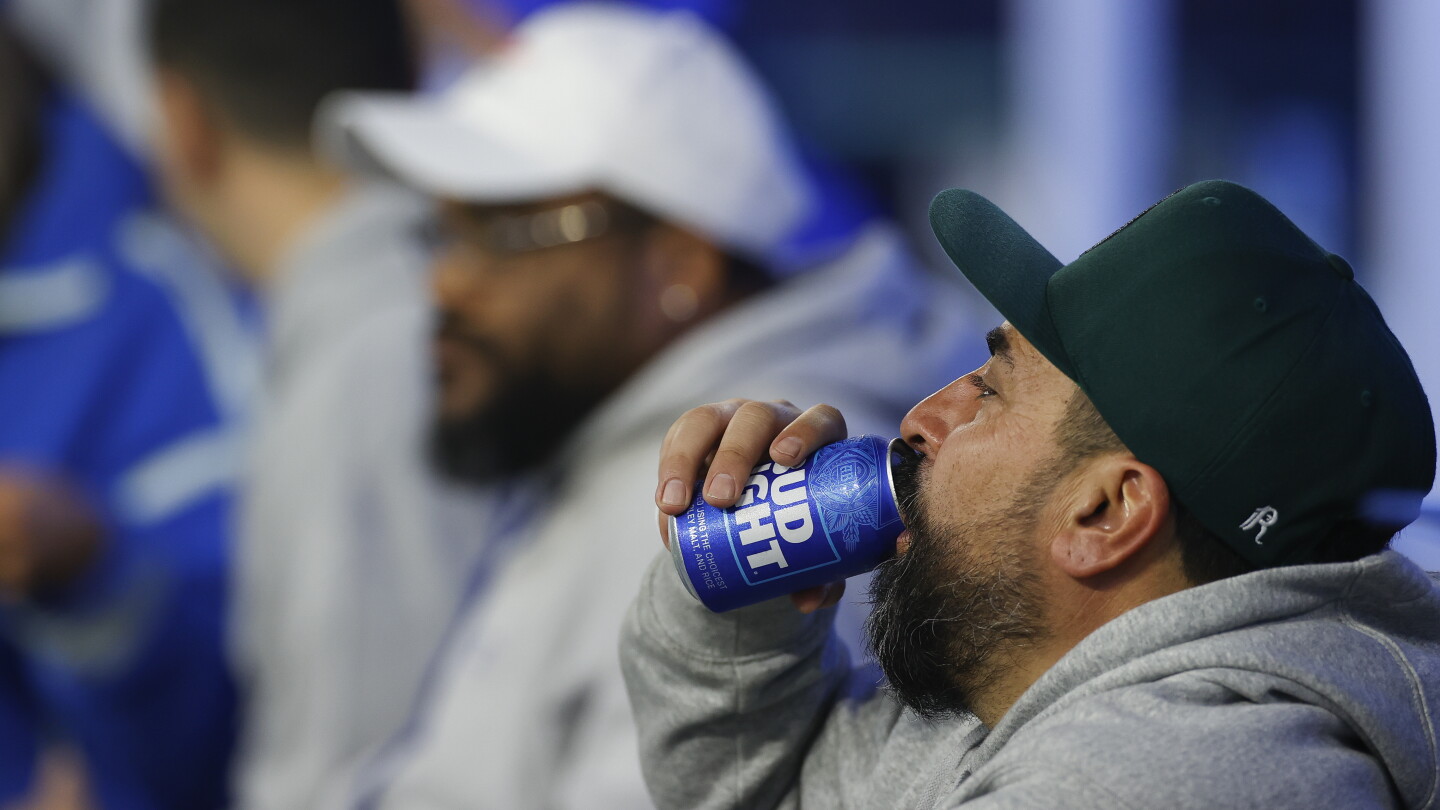
Three different fines were issued this week to players who mimed the consumption of a beverage that the NFL presumed to be beer. Bud Light, which reportedly pays the NFL $250 million per year as part of its league sponsorship, has leaned in to the league’s crackdown.
Tweeted the Bud Light official account: “$37,384 in the jar … how many beers will that buy for everybody this weekend?”
That highly specific amount represents the exact sum of the fines imposed on 49ers fullback Kyle Juszczyk ($14,926), Colts guard Matt Goncalves ($8,847), and Cowboys tight end Jake Ferguson ($13,611).
Meanwhile, the Cowboys have Miller Lite logos all over the backdrop for their press conferences in Brazil, where they will be playing the Ravens this weekend.
End‑zone theatre meets league discipline
The trigger for the league’s response was not the presence of alcohol on the field, but the gesture of pretending to drink it in celebration. In an era where touchdown and big‑play celebrations are part of the NFL’s global broadcast product, the line between showmanship and prohibited conduct remains narrow and often opaque for players.
Under the NFL’s game operations and conduct framework, players can be fined for behavior deemed unsportsmanlike, excessive, or in conflict with the league’s image and commercial commitments. That framework gives the league wide discretion to penalize celebrations that are considered to imitate alcohol consumption, even when nothing is actually being consumed.
For Juszczyk, Goncalves and Ferguson, the financial impact is immediate and individual. For teams and coaches, the episode serves as a reminder that even seemingly harmless, prop‑free gestures can draw league scrutiny and monetary sanctions in a tightly controlled commercial environment.
Bud Light’s response highlights commercial stakes
While the league has taken aim at the on‑field gestures, Bud Light has treated the enforcement as an opportunity. By publicly totalling the $37,384 in fines and turning it into a light‑hearted prompt about how many beers that figure might buy “for everybody this weekend,” the brand has transformed a disciplinary story into a marketing moment.
Bud Light’s position as the NFL’s official beer partner means its product is woven into the game week experience through in‑stadium signage, broadcast integrations and retail campaigns. That partnership underscores why the league is sensitive to how alcohol is portrayed by uniformed players on the field, even as sponsors operate in the same space with humour and volume.
For international audiences, the dynamic is familiar from other major sports: commercial partners seek visibility and personality, while governing bodies police the boundaries of player expression to protect both image and regulatory obligations around alcohol promotion.
Competing beer brands on a global stage
The sight of Miller Lite branding dominating the Cowboys’ media backdrop in Brazil adds another layer. While Bud Light occupies the league‑wide sponsorship tier, individual clubs engage their own commercial partners, creating situations where different beer brands share the same NFL stage.
In Brazil, where the Cowboys and Ravens will play a regular‑season game, those competing interests are projected to a new market the NFL is actively trying to grow. The overlapping visibility of a team‑level beer partner with a league‑level beer partner, at the same time players are being fined for mimed drinking, sharpens the perception of inconsistency around what is acceptable and who is allowed to profit from beer‑related imagery.
For the league, these international games are strategic investments, designed to extend the season’s reach beyond the United States and deepen commercial relationships with global brands. Any disciplinary action that appears at odds with the environment around the game inevitably draws additional attention when the product is being showcased to new fans and regulators.
Player conduct, image control and the “do as we brew” gap
The heart of the issue is the contrast between the NFL’s strict approach to player celebrations involving implied alcohol use and the prominence of alcohol brands in its commercial landscape. On one hand, the league emphasises professionalism, family‑friendly presentation and control over on‑field conduct. On the other, the business model relies heavily on partnerships with beer companies and related promotional activity.
For players, the practical lesson is clear. Celebration choices now extend beyond simple creativity and into an understanding of how they intersect with league sponsors, broadcast standards and the written and unwritten expectations of league discipline. A single gesture can now carry not only a cultural or viral impact but a five‑figure financial cost.
It is all, as critics point out, a markedly awkward position for the NFL. The same ecosystem that elevates beer brands around its biggest games is penalising players for a brief, mimed nod to the product category. For now, the league appears comfortable with that tension.
For the NFL, it’s do as we say, not as we brew.
Related reading
