
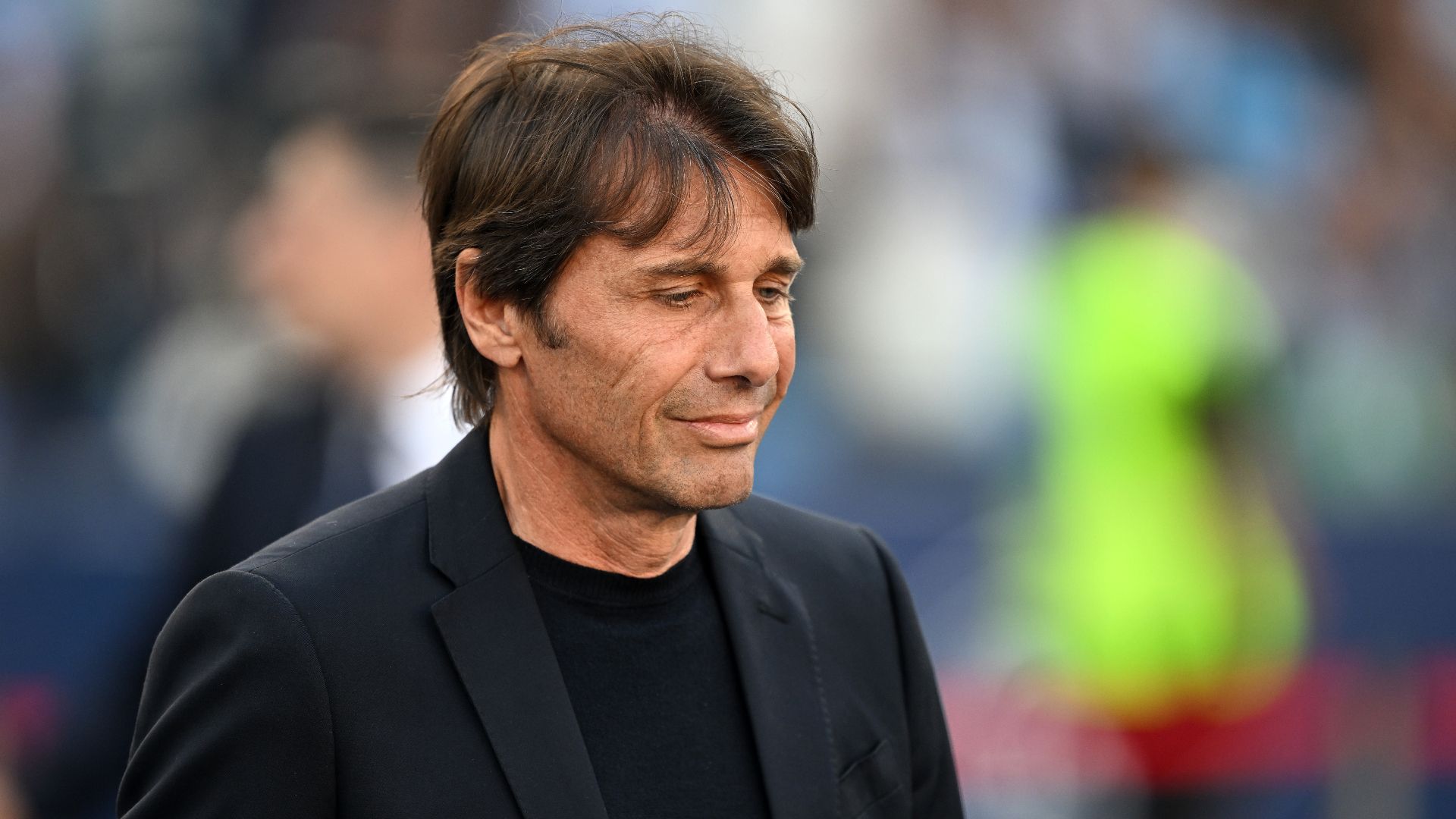
Borriello: Juventus Need More Than Conte – They Need a President With Agnelli’s Presence
Marco Borriello, a former striker who lifted the Serie A title with Juventus, has offered a pointed diagnosis of the club’s current challenges, arguing that coaching alone will not be enough to restore the Turin side as a dominant force in Italian football.
Speaking in an interview with Gazzetta dello Sport, Borriello praised the qualities of Antonio Conte and Luciano Spalletti, but shifted the focus firmly onto Juventus’ leadership structure and the atmosphere around the club.
Conte, Spalletti and the Limits of the Dugout
Borriello is unequivocal in his respect for Antonio Conte, the coach under whom he experienced that title-winning Juventus environment.
“I’m a great admirer of Antonio. He’s a winner, and I’ve experienced his strength first-hand: he instils an incredible mentality in his players,” Borriello said.
At the same time, he is careful not to reduce Juventus’ current situation to a simple question of who stands on the touchline.
“But I don’t think Spalletti is Juventus’ problem, so I don’t think Conte alone would be enough to make Juventus a leading force again. We’re talking about two outstanding managers: Luciano and Antonio are different, but both are phenomenal tactically and technically. Conte would bring back the Juventus DNA and work like a madman, but I’m not convinced that alone would be enough to win.”
For international readers, the debate touches on two of Italy’s most respected modern coaches. Conte, a former Juventus captain and head coach, is renowned for his intense, detail‑driven methods and his impact on dressing‑room mentality. Spalletti is widely recognised for his tactical innovation and ability to shape fluid attacking systems. Both have operated at the highest level within the framework of Italy’s top division, Serie A, which sits at the apex of the country’s league pyramid and feeds directly into UEFA club competitions.
Borriello’s assessment matters in this context because it implicitly separates tactical competence from institutional health. Even in a league where coaching is a key competitive lever, he argues that Juventus’ ceiling will be set by what happens above the technical area as much as within it.
The Leadership Void: “A President Like Andrea Agnelli”
When pressed on what he feels Juventus are missing, Borriello moves quickly from the bench to the boardroom.
“A president like Andrea Agnelli,” he replies. “From the outside, you can sense the absence of Andrea’s warmth; he was an executive who was always there.”
Borriello’s remarks highlight a distinction between ownership and day‑to‑day presidential presence. Juventus’ owners have long been tied to one of Italy’s most prominent industrial families, with the club described by Borriello as a “family jewel”.
“Juventus have historic, unique owners: their attachment to the family jewel is clear, financially too. John Elkann is the club’s biggest fan and should be thanked for his continued investment; you can’t ask more of him. But he’s a major businessman and can’t be at the training ground every day.”
The striker’s comments underline how, in his experience, a president’s visibility and accessibility can influence not just boardroom decisions but also the daily environment players inhabit. In a club competing at the sharp end of domestic and European football, these institutional dynamics shape recruitment, long‑term planning and, ultimately, how consistently a squad can challenge for titles governed within the Serie A and wider European calendar.
Atmosphere, Chemistry and the “Magic” of a Winning Cycle
For Borriello, Juventus’ issues are not solely structural; they are also emotional and cultural. He argues that the club currently lacks the “magic” that once aligned fans, players, staff and stadium into a single, coherent force.
“Juventus are missing the magic that makes the planets align, the magic that came together in our title‑winning season with Conte, the fans and the new stadium,” he says. “These aren’t urban myths: players sense the atmosphere and, even unconsciously, act accordingly. Trust me: players can sniff these things out. Football is about chemistry and a shared sense of purpose.”
That description offers insight into how elite dressing rooms interpret their surroundings. When the stadium, club hierarchy and technical staff are in sync, it becomes easier for a group to sustain the intensity required to compete across a full Serie A campaign and in concurrent cup competitions. When that connection weakens, it can affect performance margins that decide league position, qualification for European tournaments and the financial incentives attached to them.
Implications for Juventus’ Competitive Trajectory
Borriello’s reflections point toward a broader strategic question for Juventus: how to balance the pull of a high‑profile coaching appointment with the quieter but equally decisive task of rebuilding internal cohesion.
On the pitch, that means constructing a squad and technical staff structure capable of navigating the physical and tactical demands of a long league season, played under the centralised regulations and scheduling framework that governs Serie A. Off the pitch, it means re‑establishing the sense of continuity and presence at executive level that former players like Borriello associate with their most successful years in Turin.
His comments do not dismiss the value of an elite coach; instead, they set a higher bar. Even if a figure like Conte were to return and “work like a madman”, in Borriello’s words, Juventus’ long‑term prospects will still depend on the chemistry between ownership, presidency, technical staff and supporters – the same alignment he remembers from that title‑winning cycle.
For a club of Juventus’ scale, operating within one of Europe’s major domestic leagues, those institutional choices will continue to shape not just single seasons, but the sustainability of any future period of dominance.
Keep reading
