
Analyzing the VAR Effect: How Marginal Calls Reshaped the Final Standings
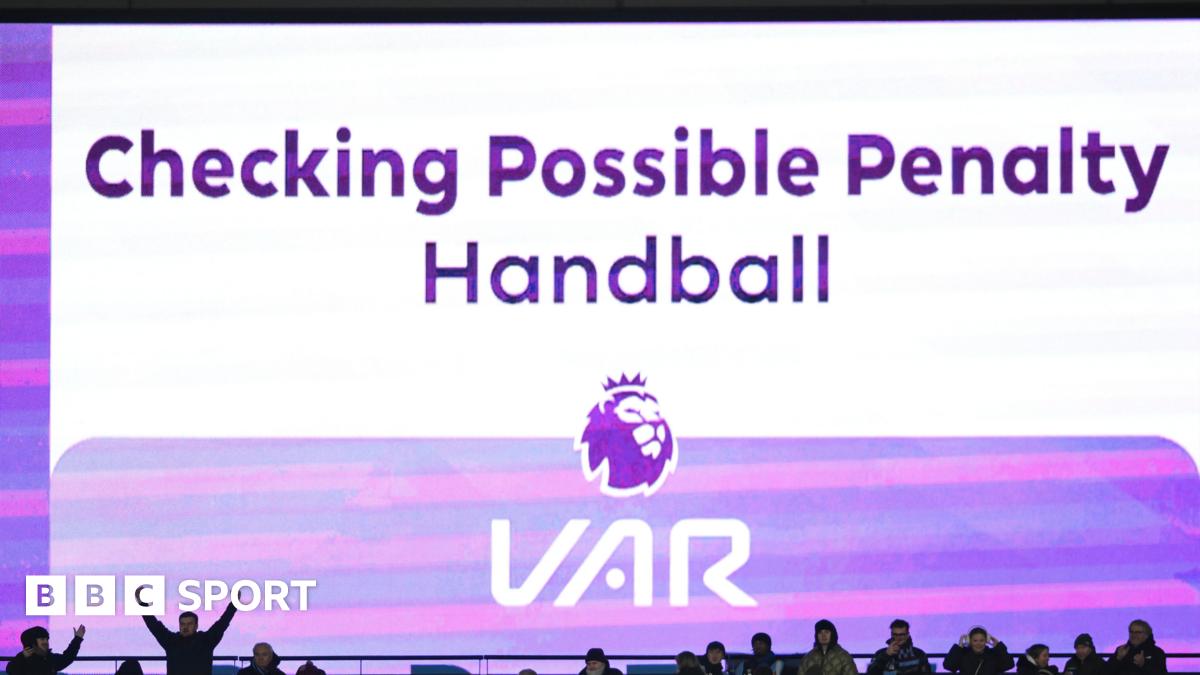
The total number of Video Assistant Referee (VAR) interventions provides an incomplete picture of a season’s narrative. The true influence of the technology lies not in the frequency of its use, but in the timing of the calls and the specific state of the game when they occur.
Introduced into elite domestic competitions as part of the IFAB Laws of the Game framework for reviewing “clear and obvious errors” in four key match‑changing situations, VAR was designed as a backstop to protect the integrity of results, not to re‑referee games. Yet its practical effect is now central to debates in club boardrooms, among competition organizers and inside refereeing departments about competitive balance, transparency and trust in officiating.
While the assessment of impact remains subjective, an analysis of 29 key matches reveals that VAR interventions almost certainly altered several final results. The difference between a routine red card in the closing seconds and a stoppage-time penalty-such as the one that secured Manchester United’s 3-2 victory over Burnley-illustrates how these decisions can fundamentally shift a match’s outcome, and with it the distribution of prize money, European places and, in some cases, jobs.
The Title Race and the Final Day
The championship battle provides the most striking example of VAR’s influence. Arsenal secured the title by a seven-point margin, yet four of those points were gained through VAR decisions during victories at West Ham and Everton. In both instances, the matches could have ended in draws without the intervention, underscoring how fine the line can be between a comfortable margin and a knife-edge finish.
Had those four points been removed, the title race would have reached a fever pitch on the final day. Arsenal and Manchester City would have entered the finale level on 78 points, with City holding the advantage on goal difference. This shift suggests the championship may have been decided on a Sunday, rather than effectively settled during City’s 1-1 midweek draw at Bournemouth, changing not only the mathematics but also the psychological pressure on both camps.
Such a scenario would have altered the atmosphere of the final clash at the Etihad Stadium. While Aston Villa might still have won the match to hand Arsenal the title, the game would have lost its character as a farewell to Pep Guardiola and departing legends such as John Stones and Bernardo Silva, transforming it instead into a high-stakes winner-take-all encounter. For league executives and club owners, that distinction matters: the timing and tenor of decisive moments shape broadcast narratives, commercial value and perceptions of whether the competition has been decided on the pitch or in the review booth.
European Qualification Shifts
Beyond the title, the race for Champions League and other European berths saw significant volatility due to officiating reviews. Three clubs-Bournemouth, Burnley, and Tottenham-were the most negatively impacted in points terms, each losing four points due to VAR decisions in the alternative table constructed for this analysis.
For Bournemouth, the impact was potentially transformative. The Cherries had a goal ruled out for offside in a 0-0 draw with Chelsea and saw an Evanilson effort disallowed against Leeds in a game that ended 2-2, despite Bournemouth leading 2-1 at the time of the call. Both decisions were technically consistent with the current offside and handball interpretations, but they illustrate how narrow interpretations of “clear and obvious” can still produce outcomes that feel, to clubs and supporters, like structural disadvantage.
With those four points restored, Bournemouth would have finished the season with 61 points-surpassing Liverpool’s total by one point to claim the final Champions League spot. However, this remains a hypothetical, as it is impossible to determine how Liverpool would have approached their final matches against Brentford and Villa had they been chasing Bournemouth. Club executives are acutely aware that such counterfactuals feed into calls for clearer communication from refereeing bodies and more granular post-season reporting on VAR performance.
Other European positions would have shifted as follows:
- Brighton: Three points worse off; in the revised table they would have slipped into a Europa League position rather than pushing for the Champions League places.
- Chelsea: Despite several positive calls, they lost two points at critical moments. Restoring these would have placed Xabi Alonso’s side in a Europa Conference League position, altering both their fixture calendar and their recruitment pitch for the summer.
- Sunderland: Gained two points through VAR; without them, they would drop from European contention to 10th place, a swing that would materially affect broadcasting pools and performance‑related bonuses.
Mid-Table Volatility and Lower-Table Pressure
The most significant point gain in the Premier League table came via Brentford, who gained five points through VAR. Three of these points stemmed from two interventions in a 4-3 win over Burnley, while another came from a disallowed Aston Villa goal in a 1-0 victory for the Bees. Without these decisions, Keith Andrews’ side would have plummeted from ninth to 13th, dropping them into a cluster of mid-table teams where prize money and perception differ sharply.
Conversely, Tottenham endured a traumatic conclusion to their campaign, suffering three result-changing VAR calls against Liverpool, Sunderland, and Leeds. An alternative table accounting for these decisions sees Spurs finishing as low as 15th, leaving Nottingham Forest and Crystal Palace hovering just above the relegation zone. For club boards, that kind of late-season compression intensifies pressure on managers and fuels questions about whether the current review protocols sufficiently guard against disproportionate swings caused by marginal calls.
Among the primary beneficiaries of the system, Manchester United and Arsenal joined Brentford as the biggest winners, each gaining four points from key interventions. That clustering at the top and upper mid-table will not be lost on league regulators and independent review panels, who must balance the pursuit of accuracy against the perception that technology is entrenching existing hierarchies rather than leveling the field.
As leagues refine their implementation of VAR, the debate is shifting from whether the technology should exist to how it is governed: who sets the thresholds for intervention, how decisions are communicated in real time, and what accountability mechanisms are in place when errors still occur. This season’s numbers suggest that, for all the talk about total interventions, it is the handful of marginal calls at decisive moments that will continue to drive policy discussions-and, in the process, to reshape final standings.
