
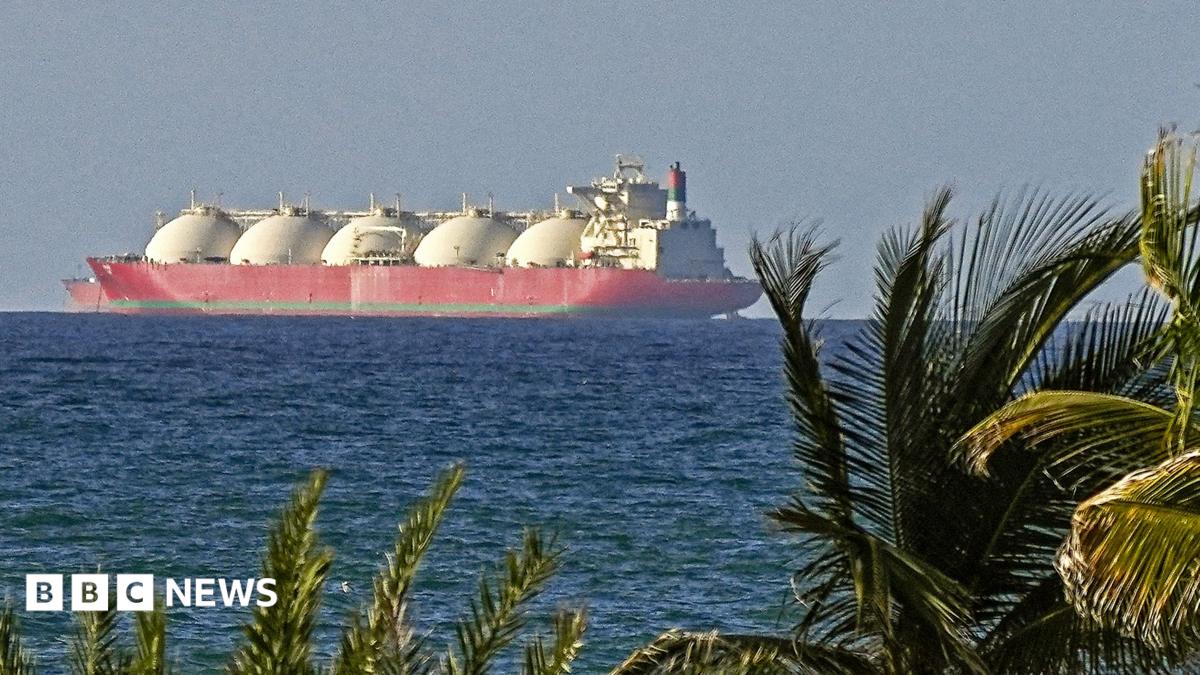
WASHINGTON – US President Donald Trump has accused Iran of breaching a ceasefire agreement after the country failed to fully reopen the Strait of Hormuz, a critical maritime chokepoint for global energy supplies.
The reopening of the shipping route was a central requirement for a two-week ceasefire in the US-Israeli war with Iran. While Tehran initially agreed to the terms, the US administration now claims the implementation has been insufficient.
Trump stated that Iran is “doing a very poor job” of allowing oil tankers to pass through the waterway. In a post on his social media platform, Truth Social, the president warned that Iran “better not be charging fees to tankers” as they navigate the strait.
Maritime Traffic and Verification
The Strait of Hormuz, a narrow passage connecting the Persian Gulf to the Gulf of Oman and the Arabian Sea, is one of the world’s most strategically sensitive shipping lanes, with a significant share of internationally traded oil and liquefied natural gas passing through its waters in peacetime.
Analysis of maritime movements indicates a severe disruption in traffic compared to pre-war levels. While Tehran effectively closed the route during the conflict, current transit remains a fraction of normal operations, despite the formal ceasefire conditions requiring “safe and unhindered passage” for commercial shipping.
- Pre-war average: Approximately 128 ships per day, including crude carriers, product tankers and container vessels
- Post-ceasefire volume: At least nine ships confirmed to have crossed since the truce took effect
US officials say those figures underscore the gap between the written terms of the ceasefire and conditions at sea, where insurers, shipping companies and flag states are still treating the area as a high-risk war zone. Independent tracking of Automatic Identification System (AIS) signals, along with satellite imagery, is being used by Western navies and the International Maritime Organization to verify traffic levels and investigate reports of delays and diversions.
Diplomatic Efforts in the Gulf
UK Prime Minister Keir Starmer has engaged in a diplomatic push to resolve the deadlock, framing full compliance with the ceasefire as essential to regional security and the credibility of international agreements. Following a tour of the United Arab Emirates, Bahrain, Qatar, and Saudi Arabia, Starmer spoke with Trump to emphasize the urgency of the situation and to coordinate pressure on Tehran.
The Prime Minister advocated for the creation of a “practical plan to get shipping moving” to ensure the stability of the region’s maritime trade. Gulf states, whose economies depend heavily on hydrocarbon exports, are pressing for clear, time-bound steps, including joint naval deconfliction channels and agreed inspection procedures, to ensure that tankers and crew can pass without intimidation or new financial impositions.
Diplomats say that any lasting arrangement is likely to be folded into existing international maritime law, including the transit passage regime for straits used for international navigation set out in the United Nations Convention on the Law of the Sea, though Iran’s interpretation of its rights and obligations in the Strait of Hormuz has long been contested.
Humanitarian and Economic Impact
The International Maritime Organization (IMO), the United Nations agency responsible for shipping safety and security, reports a growing crisis for personnel in the region as ships queue or hold position near the approaches to the strait.
The IMO is currently providing support to 20,000 seafarers. A significant number of these workers remain stranded on vessels that are unable to exit the strait, facing extended contracts, mounting fatigue and uncertainty over when they can disembark. The agency has urged all parties to prioritize crew welfare and respect established seafarer rights and safety standards.
The instability has triggered immediate volatility in energy markets. While oil prices plummeted immediately following the initial ceasefire announcement, they have since recovered. International oil prices are currently trading just shy of $100 a barrel, as traders weigh the risk of renewed disruption against expectations of increased supply if normal traffic resumes.
Beyond energy, shipping executives warn that prolonged restrictions could reverberate through global supply chains, raising freight costs and complicating the delivery of humanitarian cargoes to conflict-affected states. The International Maritime Organization continues to monitor the status of the 20,000 seafarers as diplomatic discussions regarding the ceasefire’s viability proceed, while regional governments debate whether to back Iran’s recently announced protocol to levy new charges on tankers transiting the waterway, a move critics say could further politicize a route that underpins global trade.
Analysts note that how quickly the Strait of Hormuz returns to something resembling normal operations will be an early test of whether the ceasefire can evolve into a more durable security framework for the Gulf. For now, shipowners, crews and energy markets remain on edge, watching not only statements from Washington and Tehran but also the evolving guidance of key maritime regulators and industry bodies such as the IMO and leading shipping registries.
Related reading
- Urban Infrastructure Resilience: How European and Asian Megacities Are Adapting to Extreme Climate Oscillations in 2026
- UN General Assembly 2026 Framework on Autonomous Systems: International Diplomacy Faces Algorithmic Governance
- Jay Clayton named White House AI czar by Trump to lead task force (globallypulse.com)
