
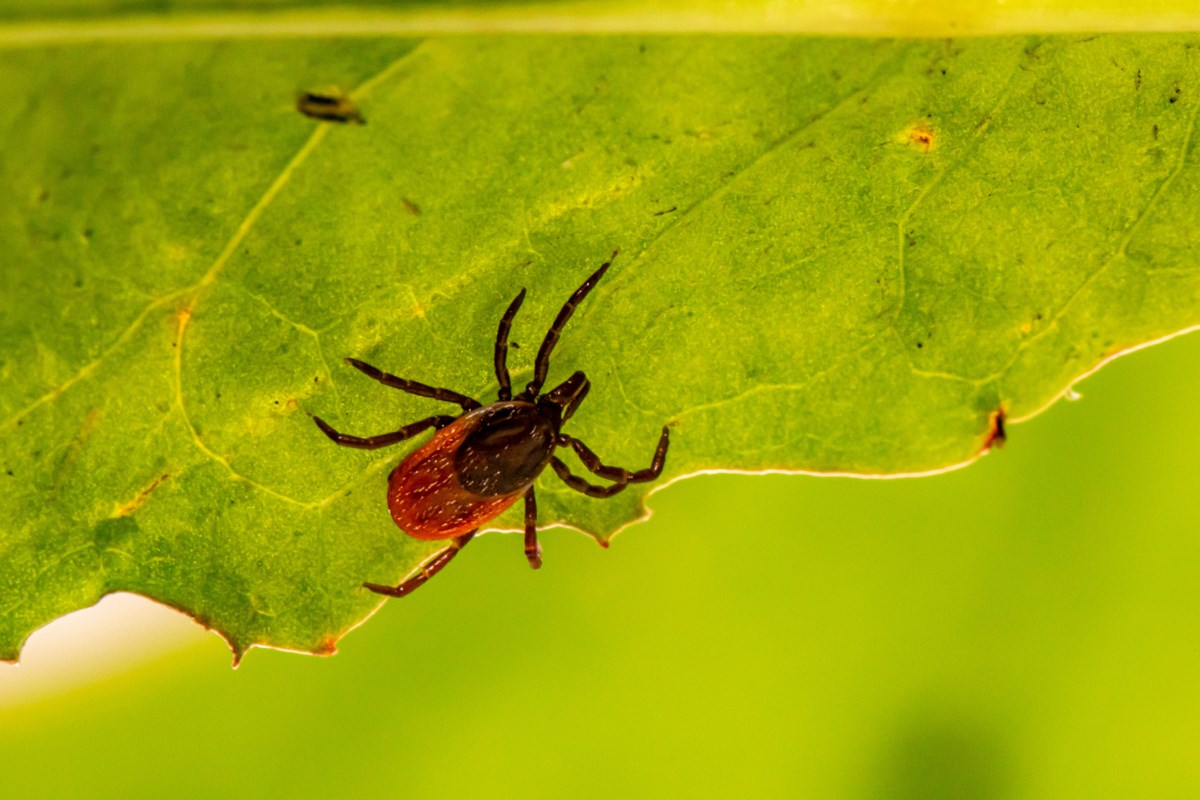
The geographic expansion of tick populations across North America represents more than a seasonal nuisance; it is a shifting public health landscape driven by ecological volatility and urban encroachment. For years, institutional narratives in certain regions suggested a low risk of tick-borne illness, a stance that often lagged behind the biological reality on the ground.
Vett Lloyd, a professor of biology at Mount Allison University, experienced this disconnect firsthand. When she was bitten by a tick roughly 15 years ago, public health authorities claimed her home province of New Brunswick was tick-free. “That was quite patently false, as there was one on me,” Lloyd stated. “They also told me that even if there are ticks, I didn’t have to worry about Lyme disease. But apparently I did.”
This gap between official surveillance and actual prevalence is a recurring theme in the management of emerging zoonotic diseases. The resulting delay in diagnosis can lead to long-term systemic complications, including fatigue, cognitive impairment, and chronic illness, which place a cumulative burden on healthcare infrastructure and the economy.
The Environmental Catalyst for Tick Expansion
The surge in tick populations is not accidental but is the result of a convergence of climatic and anthropogenic factors. Traditionally, harsh winters acted as a natural check on tick populations, with deep snow and sustained cold starving ticks waiting in the topsoil. However, shifting weather patterns have eroded this barrier, extending the season during which ticks can actively seek hosts and broadening their range into regions that previously experienced fewer bites and cases.
“With global warming, we have less snow and more variable weather,” Lloyd explains. “Ticks are opportunists – they don’t hibernate. The moment it’s warm, they’re gonna crawl up, see if they can grab a snack and then go back into hiding if it’s cold and come back up during the next warm stretch. That variable weather isn’t starving ticks out anymore and is promoting tick survival.”
Beyond climate, the way human habitats are designed contributes to the risk. The proliferation of suburban environments-characterized by fragmented forests and moist green spaces-creates an ideal corridor for wild rodents and other wildlife that act as hosts for ticks.
“People are moving into greener, moister suburban areas which support wild rodent populations, which support ticks,” Lloyd says. “We are essentially providing more opportunities for the wildlife that are tolerant of humans to hang out – suburbs are really good for things like raccoons and both wild and house mice, which mix and mingle and share their fleas and other arthropods that transmit pathogens.”
Surveillance Gaps and Population Impact
While official statistics indicate a sharp rise in Lyme disease, these numbers likely represent a fraction of the actual burden. The reliance on a patient noticing a tick, having access to care, and a provider correctly filing government reports creates a significant undercount and introduces delays between ecological changes and policy response.
| Metric | 2010 Data | 2025 Data |
|---|---|---|
| Recorded Lyme Disease Cases (Canada) | 143 | 7,105 |
| Estimated Trend | Estimated tenfold increase in the past 10 years | |
“The numbers from PHAC are consistent with an increase, but they are an underestimation of the number of people who are impacted,” Lloyd notes. This invisibility in the data complicates the allocation of public health resources and the implementation of preventative policy, from where to fund diagnostic labs to how provincial health plans design seasonal awareness campaigns.
In the United States, health departments are tracking similar patterns. Emergency room visits for tick bites have climbed to their highest levels for this time of year since 2017, underscoring that the trend is continental rather than confined to one country’s reporting system.
Expanding Pathogen Profiles and the Red Meat Allergy
Public health concern is expanding beyond Borrelia, the bacterium responsible for Lyme disease. There is an increasing prevalence of other tick-borne pathogens that can cause severe, and sometimes fatal, systemic reactions, complicating clinical decision-making and stretching already limited infectious disease capacity.
- Anaplasmosis: Caused by Anaplasma; increasing in Nova Scotia and New Brunswick. Lloyd describes it as “really terrifying because it acts quickly, and it’s been hitting those occupationally exposed to ticks quite badly and can be fatal.”
- Babesiosis: Often described as a North American variant of malaria, with symptoms that can be especially severe in older adults or the immunocompromised.
- Powassan Virus: A rarer but severe viral lineage that can lead to encephalitis and long-term neurological damage.
Additionally, the arrival of lone star and Gulf Coast ticks has introduced a non-pathogenic but severe health risk: alpha-gal syndrome, an allergy to red meat triggered by tick saliva.
“You get that reaction if you’ve gotten a lot of bites from blacklegged ticks or deer ticks. But the ticks with really powerful saliva are the lone star ticks and Gulf Coast ticks,” Lloyd says. “They have a lot of compounds in their saliva that, if your genetics are set up a certain way, you can then develop an allergy to consuming red meat. It could be mild, though mild is still unpleasant – you get really bad diarrhea and your life is miserable until it clears your body – or [it can] cause anaphylactic shock and be potentially fatal.”
These ticks, once rare in Canada, are now establishing populations in southern Ontario due to milder winters, with potential expansion into the Maritimes. For policymakers, that shift raises questions about how food allergy services, emergency care and occupational safety rules will adapt in regions that did not previously plan for tick-driven meat allergies.
The Regulatory Challenge of Rapid Diagnostics
Current diagnostic frameworks for Lyme disease are often limited by their reliance on antibody detection. Because antibody levels can be influenced by age, medication, immune status or the specific strain of the pathogen, false negatives are common and can undermine public confidence in official guidance.
To address this, research is shifting toward direct bacterial detection. Lloyd’s lab is developing a test that uses a tiny electrical charge to detect the bacteria itself in urine, similar to the mechanism of a pregnancy test. However, moving from a laboratory success to a public health tool requires navigating a complex regulatory environment that spans research ethics, device safety and post-market surveillance.
“The easy part is building the test and doing the science. The hard part is the regulatory framework,” Lloyd explains. “The science is going great. After that, it’s a matter of getting a large company with the resources to take it through the regulatory process, which could take years.”
In Canada, that pathway runs through federal medical device approval and then through provincial and territorial health systems that decide whether, where and how such a test is funded and deployed. Similar debates are playing out in U.S. jurisdictions as state and local health departments weigh how to validate and reimburse newer diagnostics in time to influence summer risk.
Mitigation and Public Health Preparedness
Addressing the tick crisis requires a “One Health” approach, recognizing the intersection of human, animal, and environmental health. This includes the use of pets as sentinels-early signals of changing tick density-as well as the application of targeted chemical barriers and habitat management around homes, schools and workplaces.
Effective prevention strategies include:
- Chemical Repellents: Use of picaridin, derived from black pepper essential oils, or permethrin-treated clothing for those with high occupational exposure, such as forestry workers, park staff and utility crews.
- Veterinary Intervention: Annual Lyme vaccines for dogs and year-round treatment, as the window of activity has extended beyond the traditional spring and fall. Veterinarians’ case reports can also inform early-warning systems for human risk.
- Physical Barriers: Light-colored clothing for visibility, tucking pants into socks to prevent ticks from reaching the skin, and creating dry, gravel or woodchip borders between lawns and wooded areas.
When a tick is found, the priority is immediate removal with tweezers and medical consultation. For many, this involves a preventative round of antibiotics via a pharmacist, within guidelines set by national and provincial health authorities. As the ecological range of these vectors continues to shift, the burden of vigilance moves from the clinician to the citizen, requiring a more robust and transparent public health communication strategy to ensure that citizens are not misled about the risks in their own backyards.
Despite the risks, the goal remains balanced risk management rather than alarm. “I always encourage people not to get too freaked out and to go outside and enjoy nature,” Lloyd says. “But if you’re really freaked out by ticks, ticks do not like beaches and they don’t care for sand. And if it’s really hot out, ticks don’t like that, either.” Public agencies are increasingly trying to walk the same line: encouraging outdoor activity while acknowledging that, in a warming climate, tick awareness has become a permanent feature of summer health guidance rather than a niche concern.
Keep reading
