
The Strategy for Meningitis B Containment
The escalation of meningitis B cases within high-density residential environments, particularly university campuses, has prompted a targeted public health response. The decision to implement a one-off vaccination programme for specific cohorts reflects a strategic move to mitigate the risk of rapid transmission in settings where young adults live and socialise in close proximity.
These outbreaks highlight a critical vulnerability in the young adult population, where the risk of invasive meningococcal disease is statistically higher. By focusing on these clusters, health authorities aim to create a barrier of immunity that protects not only the individual but also the broader campus community through the reduction of circulating pathogens.
Eligibility and Program Scope
The current vaccination initiative is designed to bridge gaps in immunity, specifically targeting demographics that are most susceptible to the serogroup B strain of the bacteria and who were not routinely covered by earlier childhood immunisation programmes. In practice, this means prioritising late teens and young adults living in shared accommodation and other high-contact settings, where transmission risk is known to be elevated.
Crucially, the programme sits within the wider national immunisation policy framework overseen by the Joint Committee on Vaccination and Immunisation and implemented under the statutory duties set out by the Department of Health and Social Care through the UK immunisation “Green Book” guidance. That alignment gives local health systems legal and regulatory cover for rapidly mobilising targeted campaigns when clusters emerge.
| Criteria | Programme Detail |
|---|---|
| Target Population | Eligible young people and students in affected cohorts and campuses, as identified by public health authorities. |
| Vaccine Type | A one-off MenB vaccine dose, complementing the routine MenB schedule offered in infancy and early childhood. |
| Primary Delivery Sites | Community pharmacies, designated healthcare clinics and, where needed, pop-up vaccination sites on campus. |
| Objective | Immediate reduction of outbreak potential in academic settings and reinforcement of population-level immunity among young adults. |
Integrating Community Pharmacy into Primary Care
A significant component of this rollout is the decentralisation of vaccine delivery. By empowering community pharmacies to provide the MenB vaccine under nationally agreed patient group directions, the health system reduces the administrative and clinical burden on general practitioner (GP) surgeries and university health centres.
This shift in infrastructure is part of a broader regulatory trend toward pharmacy-led clinical services, in which pharmacists are increasingly recognised as front-line immunisers. Increasing the number of access points for vaccination improves uptake rates, as students and young adults often find pharmacy hours more compatible with their schedules than traditional clinical appointments and may be more willing to attend a familiar high-street setting.
For policymakers, the programme also serves as a live test of how far primary care can be rebalanced. If MenB uptake through pharmacies proves strong, it will strengthen the case for expanding pharmacy-delivered vaccination in future seasonal and emergency campaigns, embedding this model as a standing component of national resilience planning.
Clinical Implications of Serogroup B Infections
Meningitis B is caused by the Neisseria meningitidis bacterium, which can lead to both meningitis (inflammation of the lining of the brain and spinal cord) and septicaemia (blood poisoning). The progression of the disease is often rapid, making preventative measures – particularly vaccination – the most effective tool for population health management.
The systemic impacts of the infection include:
- Neurological Damage: Potential for long-term cognitive impairment, seizures or hearing loss, even in survivors who receive swift hospital care.
- Vascular Compromise: Risk of limb amputation and skin scarring due to septicaemia, tissue necrosis and the need for aggressive surgical intervention.
- Critical Care Demand: High requirement for intensive care unit (ICU) resources during acute phases, placing sudden pressure on already stretched hospital capacity.
- Rapid Onset: Progression from initial flu-like symptoms to critical illness within hours, leaving a narrow window for effective treatment.
Against that clinical backdrop, the case for pre-emptive vaccination in defined risk groups has become a central plank of national meningococcal strategy, rather than an optional add-on to routine care.
The Human Impact of Preventable Disease
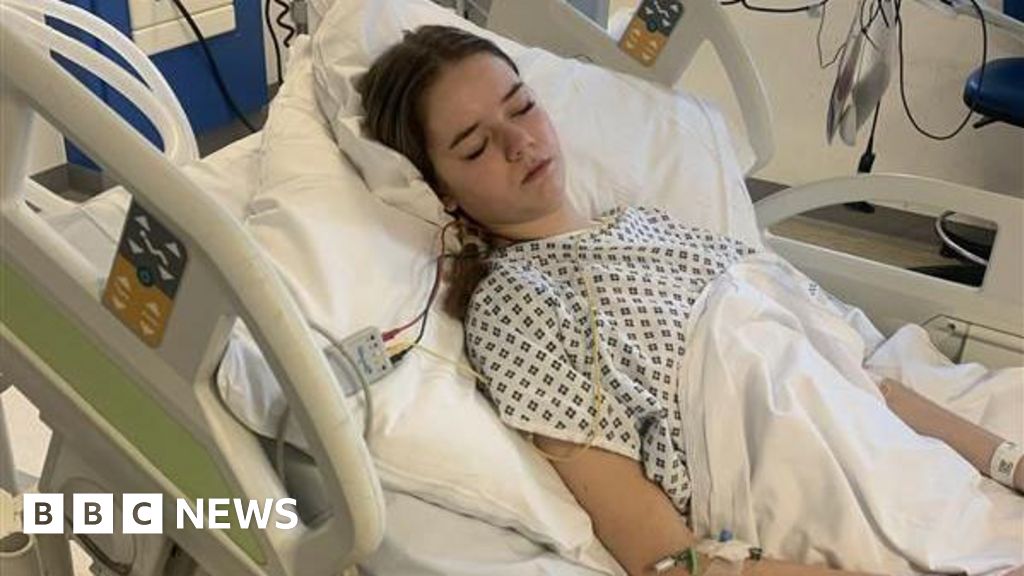
While the focus often remains on the systemic rollout, the urgency of the programme is underscored by the experiences of survivors. In Harpenden, a survivor of the disease has urged others to take up the vaccine, highlighting the life-altering consequences of the infection for individuals, families and campus communities. Such testimonies serve as a critical driver for public health awareness, translating clinical data and risk assessments into a tangible understanding of what is at stake.
The intersection of personal experience and government health policy ensures that the drive for vaccine uptake is not merely a bureaucratic exercise, but a necessary intervention to prevent permanent disability and death in the youth population. As universities and local health systems coordinate communications – from campus alerts to consent processes – the MenB programme is emerging as a test of how quickly institutions can move from guidance on paper to protection in practice, and whether lessons from this outbreak will harden future planning across the higher education sector.
Keep reading
