
NEW YORK –
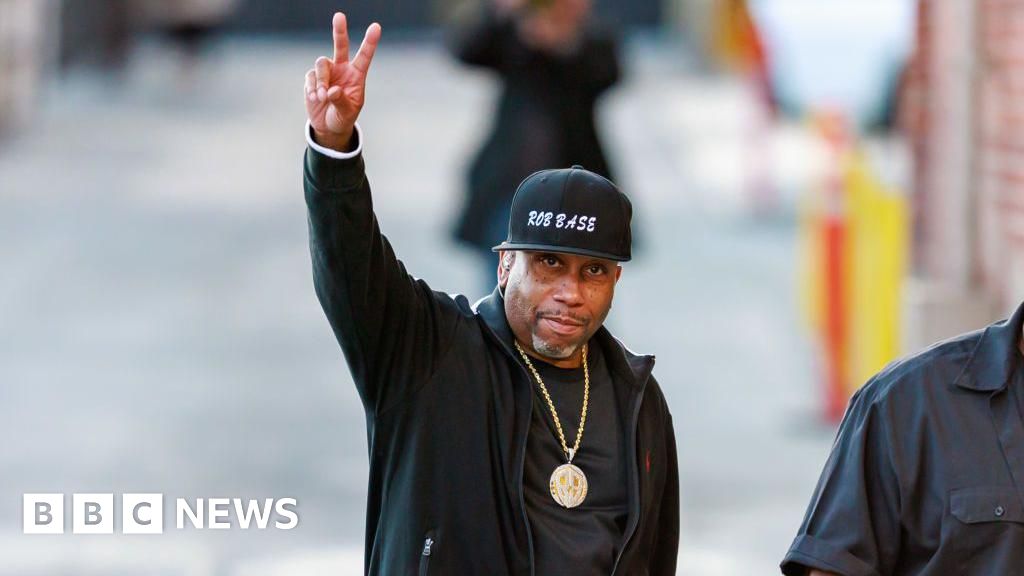
Rob Base, the American rapper and songwriter recognized for his influential contributions to the commercialization of hip-hop, has died at the age of 59 following a battle with cancer.
The death of the artist marks the loss of a figure whose work in the late 1980s helped bridge the gap between underground rap and mainstream global pop charts. Base’s ability to synthesize club-oriented rhythms with rap vocals provided a blueprint for the dance-rap crossover success that became a staple of the music industry’s expansion into international markets.
Commercial Impact of “It Takes Two”
Base is most widely recognized for the 1988 hit “It Takes Two,” recorded as part of the duo Rob Base & DJ E-Z Rock. The track became a definitive example of the sampling era, utilizing fragments of existing funk and soul recordings to create a high-energy production suited for both radio airplay and nightclub environments.
Released at a moment when hip-hop was only beginning to secure consistent radio rotation, “It Takes Two” offered programmers and club DJs a track that was both accessible and rooted in the culture’s traditions of call-and-response, breakbeats and dance-floor engagement. The song’s structure anticipated the way labels and radio consultants would later position hip-hop records as crossover singles, with hooks engineered for both urban and pop formats.
The success of the single demonstrated the viability of “party rap” as a commercial product, proving that hip-hop could maintain its cultural identity while achieving significant chart performance and broad audience reach. This shift in production and marketing helped establish the infrastructure for the genre’s dominance in the subsequent decades, influencing how major labels budgeted for hip-hop promotion and how programmers defined their playlists.
Industry Influence and Legacy
Beyond the success of a single track, Base operated during a period of rapid institutionalization for hip-hop. His work coincided with the rise of major label interest in the genre and the development of sampling laws and royalty structures that would eventually reshape music copyright.
Early hip-hop hits such as “It Takes Two” emerged just as U.S. copyright doctrine around sampling was being tested and clarified in the courts, and as labels adapted their contracts and licensing practices to align with the federal framework set out in the U.S. Copyright Act. The negotiations and disputes of that era helped determine how producers, songwriters and legacy rights holders would share revenue from sampled works, shaping the economics of rap, R&B and pop for decades.
His contributions are cited as foundational to the “golden age” of hip-hop, characterized by an emphasis on rhythmic innovation and the integration of diverse musical influences. Base’s success also intersected with the growing role of performance rights organizations and collection societies, which became critical intermediaries in tracking public performances and allocating royalties as hip-hop migrated from local clubs and block parties to global tours, sports arenas and, later, digital platforms.
Base’s passing is noted alongside other significant losses within the Black creative community in 2026, reflecting a period of transition for the era’s pioneering artists. For younger performers and producers, his career offers both a stylistic template for party-driven rap and an early case study in how artists navigated the shift from informal sampling practices to a tightly regulated licensing environment.
The cause of death is confirmed as cancer.
Worth a look
