
KYOTO – Kyotographie, Japan’s primary international photography festival, is currently hosting its annual spring edition under the theme “Edge.”
The festival comprises 14 main exhibitions and a satellite program featuring 164 additional exhibits through the KG+ initiative, which includes a juried competition where the winner is featured in the main program the following year.
The current edition highlights the structural intersection of photography, print media, and geopolitical documentation, emphasizing the medium’s role in navigating social transitions and political unrest. In a city that is both a former imperial capital and a UNESCO-listed heritage site, the curators frame photography as a tool for public memory and, increasingly, as visual evidence that can shape debates on accountability and historical record.
Retrospective of Daido Moriyama
The festival includes a major retrospective of Daido Moriyama, featuring more than 200 images, 400 magazines, and 100 books. Born in 1938, Moriyama was a central figure in the postwar generation of Japanese photographers who developed the are-bure-boke (rough, blurred, out-of-focus) aesthetic.
Moriyama’s work in the 1960s transitioned away from Western social documentary styles toward a focus on expression and the influence of U.S. military presence and Western culture in Japan. His grainy street images, often taken at night, pushed back against official narratives of Japan’s rapid economic growth by foregrounding dislocation, desire, and the imprint of foreign bases on everyday life.
A featured 1969 series for Asahi Camera magazine examined the mediation of news. In the January issue, Moriyama documented the assassination of Robert Kennedy by photographing TV screens and photocopying newspapers, dissecting how broadcast and print turned political violence into consumable imagery.
For the April issue, Moriyama utilized a then-new telephoto lens to photograph unsuspecting pedestrians, creating images that foreshadow modern camera surveillance and facial recognition and anticipate today’s policy debates over privacy, biometric databases, and the limits of lawful observation in public space.
Moriyama continues to publish Record magazine and photographs daily, positioning his archive as an ongoing informal chronicle of urban life that runs in parallel to official city planning documents and state-sanctioned histories.
Fanzine Culture and Feminist Photomontage
The festival presents the work of Linder Sterling, whose practice originated in the Manchester punk scene. Sterling utilized home-produced fanzines as a distribution channel for her art during a period of limited mainstream media options and heavily gatekept cultural institutions.
Sterling produced feminist photomontages by cutting images of women’s bodies from fashion and pornography magazines and collaging them with household objects using surgical scalpels. The resulting works, which predate many contemporary discussions of image-based misogyny and advertising standards, question how commercial imagery shapes social expectations and informally regulate women’s bodies.
-
From the series What I Do to Please You I Do, 1981-2008, and Untitled, 1976-2024, both by Linder
Her professional output includes fronting the post-punk band Ludus and designing the album artwork for the Buzzcocks’ Orgasm Addict, an image that drew controversy as it confronted British broadcast and print regulators over what could be shown in public.
Sterling later integrated performance into her photography, using materials such as clingfilm and magazine fragments to create living collages. These works, staged in both galleries and music venues, blurred lines between subculture and institution, anticipating later debates about how publicly funded arts bodies respond to feminist and queer performance.
Identity and Residency in African Photography
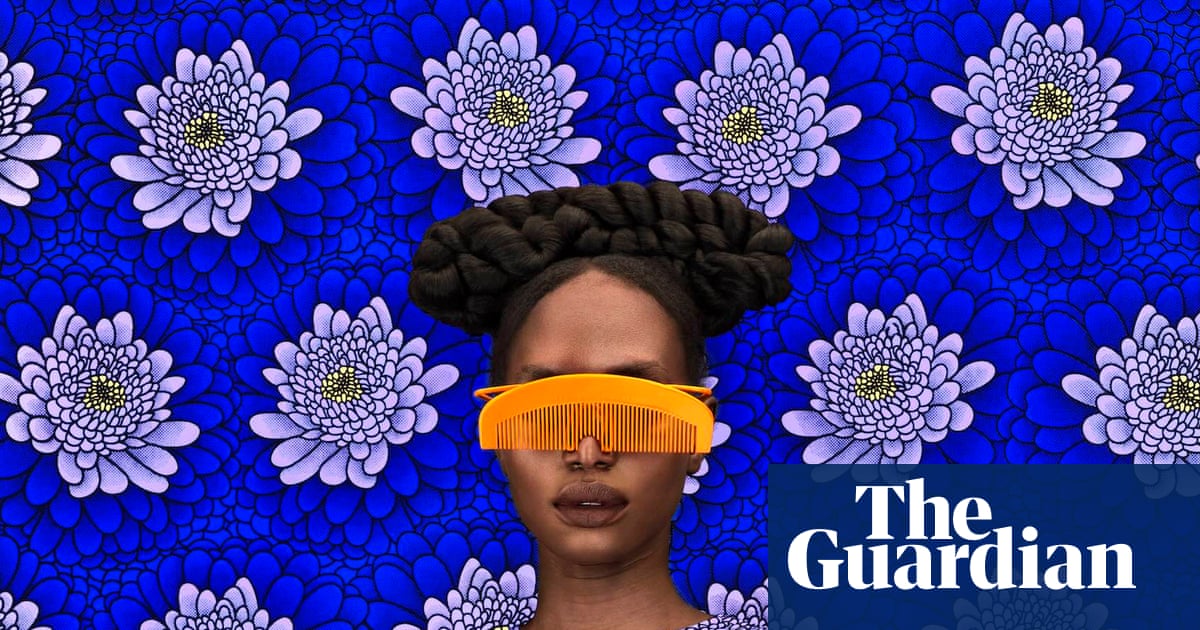
Thandiwe Muriu serves as the African artist in residence for this edition. Muriu, one of Kenya’s few female advertising photographers, utilizes kitenge (wax cotton fabric) to examine female empowerment and cultural identity against the backdrop of global fashion and beauty industries.
Her series Camo is exhibited in a traditional wooden building used for handmade kimono production, inserting contemporary African portraiture into a setting associated with regulated intangible heritage in Japan. In this series, subjects wear kitenge patterns that blend into identical backdrops, questioning which visual identities are protected, commercialized, or allowed to circulate.
The works incorporate hairstyles referencing pre- and post-colonial African looks, and subjects wear surreal glasses constructed from household items. Together, these elements echo current debates over cultural appropriation, intellectual property, and who benefits when local design languages move into global markets.
Documentation of Conflict and Political Exile
The festival features a digital installation by filmmaker Sepideh Farsi, consisting of an iPhone suspended from a ceiling. The device displays a video call with the late Palestinian photographer Fatma Hassona, underscoring how smartphones have become primary tools for documenting conflict in the absence of conventional press access.
Farsi and Hassona collaborated from 2024 to April 2025 on the documentary Put Your Soul on your Hand and Walk.
“My Gaza needs me.”
Hassona was killed on April 16, 2025, along with nine family members, in an Israeli airstrike. The exhibition includes a slideshow of her photographs documenting the conflict in northern Gaza, images that sit within a wider ecosystem of visual evidence now routinely cited in human rights reporting and international inquiries.
-
Describing the experience of first leaving her home, “I went out into the streets, and started walking around. Into the places that had been destroyed … then I realised that the sounds that I’d been hearing … For the past six months … were this. This destruction!” Photograph by Fatma Hassona
Also on display is an exhibition of House of Bondage by South African photographer Ernest Cole. The book was the first by a Black photographer to document the experience of Black South Africans under apartheid, a system later codified and condemned in international law, including under the definition of apartheid in the International Convention on the Suppression and Punishment of the Crime of Apartheid.
The exhibit includes 1969 footage of Cole, filmed after he was banned from returning to South Africa. His images of pass laws, segregated education, and forced removals functioned as a de facto evidentiary record for activists and later for legal and policy debates over racial discrimination.
-
Segregation signage, South Africa, 1960s, from House of Bondage by Ernest Cole
Following his exile, Cole worked with the Magnum agency in New York before abandoning photography. He died of cancer in 1990, his negatives long scattered across jurisdictions and public archives, a reminder of how fragile visual documentation can be once separated from its author.
-
Students kneel on the floor to write. The government was casual about furnishing schools for Black students. South Africa, 1960s, from House of Bondage by Ernest Cole
Festival Infrastructure
The event includes a book fair, workshops, and the Kyotophonie festival, which focuses on experimental music. Together, these side programs turn Kyotographie into a temporary governance space for the image: artists, curators, archivists, and policymakers share panels on topics such as archiving at-risk visual material, platform content standards, and the responsibilities of cultural institutions when exhibiting images of violence.
The Kyotographie international photography festival runs until May 17. The festival operates within Japan’s broader cultural policy framework for arts and heritage, including subsidy schemes and programming guidelines overseen by bodies such as the Agency for Cultural Affairs, which help determine how experimental and politically sensitive work reaches the public.
Keep reading
