
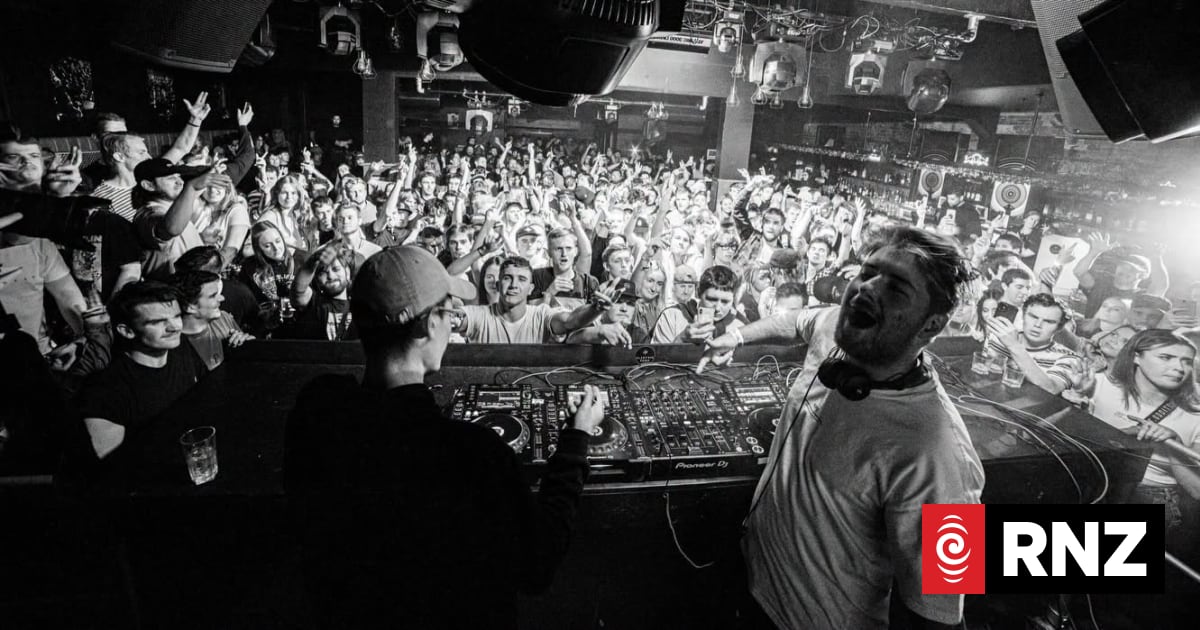
CHRISTCHURCH – Hide, a purpose-built electronic music venue in the central city, will cease operations on July 4 following the sale of the site by co-owners Mitch Ryder and Sam Smith.
The closure of the St Asaph Street venue marks a significant shift in the regional nightlife economy. Since opening in 2019, the 350-capacity space served as a critical piece of infrastructure for the city’s electronic music scene, filling a void left by the closure of previous hubs such as the Ministry following the earthquakes.
The decision to exit the venue market is attributed to a combination of personal transitions for the owners and broader macroeconomic pressures affecting the hospitality and entertainment sectors. It also underscores the precarious economics of small venues operating under New Zealand’s Sale and Supply of Alcohol Act, which ties a substantial portion of their viability to on-site liquor sales and compliance costs.
Revenue Shifts and Consumer Behavior
The viability of permanent club venues is increasingly challenged by changing consumption patterns among younger demographics. Ryder noted that a rise in health consciousness has led to a decline in alcohol consumption, which traditionally drives the primary revenue stream for such establishments.
“Young people are way more health-conscious these days, like consumption of alcohol is dropping a lot, which massively affects profitability of venues,” Ryder said. “Most of the time that’s where most of the turnover comes from, not necessarily through tickets.”
This shift is compounded by a cost-of-living crisis that has altered how audiences allocate their discretionary spending. Data suggests a move toward the “experience economy,” where consumers prioritize infrequent, high-impact events over regular weekly or fortnightly club attendance.
Ryder and Smith, who also operate the annual Lakes Festival, indicated that the growth of large-scale summer festivals-including Electric Avenue and Rhythm & Vines-has pressured the sustainability of standard club nights. In practice, promoters and artists are increasingly concentrating their efforts and budgets on seasonal festivals, reducing the pool of talent and marketing spend available for smaller, year-round venues.
Industry operators say this reshaping of demand is forcing a recalibration of business models, from fixed-site clubs to hybrid approaches that combine festivals, pop-up events and collaborations with hospitality operators that already carry rental and licensing overheads.
Hide club co-owners Sam Smith and Mitch Ryder.
Supplied
Institutional Impact and Talent Pipeline
The venue functioned as a developmental hub for local electronic artists, utilizing a programming strategy that included open decks nights, university club nights, and morning raves. In a city still reshaping its cultural infrastructure more than a decade after the earthquakes, Hide effectively operated as an informal incubator for the next wave of DJs, producers and promoters.
Veteran drum and bass DJ Chetty D, who has operated in the Ōtautahi electronic underground for over 20 years, stated that the venue provided essential opportunities for emerging talent.
“It provided opportunities for me to have a go. It’s provided a lot of opportunities for so many young DJs coming through,” Chetty D said.
Local DJ Amy Jane, known professionally as Miss Jane, noted that the closure may lead to more sporadic booking opportunities for regional artists. While Jane observed that “underground culture is still quite strong,” the loss of a dedicated, purpose-built space creates a gap in the professional circuit.
Without a central, mid-sized venue able to take programming risks, artists and promoters are likely to rely more heavily on one-off warehouse events, hospitality spaces and student venues, which can be more vulnerable to noise complaints, resourcing pressures on local authorities, and the practical constraints of building and fire regulations. For councils and city planners, the shift raises familiar questions about how to balance nightlife, urban intensification and residents’ expectations in the central city.

Veteran Christchurch drum and bass DJ Chetty D described Hide as “like a second home”
Supplied
The venue’s portfolio included bookings for international acts such as Becky Hill, Sammy Virji, and Wilkinson. While Ryder and Smith cited other local options for club-goers-specifically Darkroom and the industrial-style Sydenham Underpass-they noted that such venues require continued audience support to remain viable.
That support is not only financial. Venue operators say predictable late-night trading hours, clear policing expectations and consistent council licensing decisions are increasingly central to whether small clubs survive. Cities such as Christchurch have used their post-quake rebuild strategies to brand themselves as liveable cultural hubs; the loss of specialist music spaces tests how resilient that strategy is once market conditions turn.

Tash Taane met her fiancé at a Hide club night.
Supplied
The final programming schedule for the venue includes a performance by UK drum and bass artist Doc Scott on Friday, followed by a 12-hour “longest dance” event on Saturday featuring more than 20 local DJs. The send-off is intended to function as both a farewell party and a symbolic handover, with organisers hoping the community momentum built around Hide will help sustain other parts of the city’s night-time economy.
The venue will permanently close on July 4.
Worth a look
- Interactive Storytelling and Immersive Audio: How Next-Gen Gaming Engines Are Transforming Contemporary Television Production
- Independent Cinema’s New Distribution Paradigms: How Direct-to-Consumer Micro-Premiers Are Shifting Box Office Dynamics
- Reviews of Barbara Kingsolver’s Partita: A Soulful Tale of Music and Dreams (archyde.com)
